





What is the average lifespan of a GE dishwasher?
A GE dishwasher typically lasts about 12 years, with a normal range of 10 to 15 years. For your GE GDT670SGV0WW, lifespan depends most on water quality, how often you run cycles, and whether you keep the wash system clean and fix small issues early.
- Light use (a few loads per week): 12 to 15 years
- Average use (near-daily): 10 to 12 years
- Heavy use (multiple loads daily): 6 to 10 years
| Usage pattern | Typical lifespan | What usually wears first |
|---|---|---|
| Light | 12 to 15 years | Racks, rollers, door hardware |
| Average | 10 to 12 years | Drain and wash components |
| Heavy | 6 to 10 years | Pumping, heating, and control parts |
- Clean the filter and sump area regularly so food debris does not restrict flow.
- Make sure spray arms spin freely and the holes are not clogged.
- Use the right detergent amount; too much can cause buildup, too little can reduce cleaning.
- Run hot water at the sink before starting a cycle to improve wash performance.
- Address draining or leak symptoms quickly to prevent secondary damage.
If performance drops, these model-matched parts are often involved:
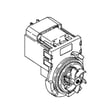
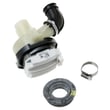
- Dishwasher drain pump WD19X25461 (draining problems, standing water)
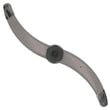
- Spray arm WD22X33499 (poor cleaning, weak spray)
- Heating element WD05X35098 (poor drying, cooler wash water)
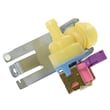
- GE dishwasher pressure sensor WD21X25468 (fill and wash performance issues)
A dishwasher that is not draining well, not heating, or not spraying strongly tends to run longer cycles, leave residue, and strain the wash system. Fixing those issues early usually extends the service life and improves cleaning results.
Last updated: February 2026
Is it worth fixing a GE dishwasher?
Yes, it’s worth fixing a GE GDT670SGV0WW dishwasher when the unit is under 10 years old and the repair is a common, contained failure (drain, wash, latch, leak) that costs far less than replacement. If repairs are frequent or involve multiple major components, replacement usually makes more sense.
- If the dishwasher is under 10 years old, repair is usually the better value.
- If the problem is one clear symptom (won’t drain, won’t start, not cleaning), repair is usually straightforward.
- If you’ve had 2+ major repairs in the last 12 to 18 months, replacement is usually smarter.
- If the tub is cracked or badly rusted, replacement is usually the better choice.
- If the repair is a single part you can access safely, repair is usually worth it.
These are typical fixes that often restore normal operation without turning into a full rebuild:
- Won’t drain: check the drain path; a failed dishwasher drain pump WD19X25461 is a common repair.
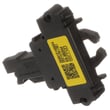
- Door won’t latch or won’t start: inspect the latch; the dishwasher door latch lock WD01X29878 is a frequent replacement.
- Not cleaning well: inspect for clogs or damage; a worn spray arm WD22X33499 can reduce wash performance.
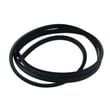
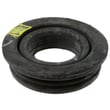
- Leaks at the door: inspect the seal; the dishwasher tub gasket WD08X23477 is often involved.
Use this as a practical way to decide.
| Dishwasher age | If repair is under this share of replacement cost | Best choice |
|---|---|---|
| 0 to 5 years | Up to ~60% | Repair |
| 6 to 9 years | Up to ~40% to 50% | Usually repair |
| 10+ years | Up to ~25% to 35% | Usually replace |
A dishwasher is a system: wash pump, drain pump, heater, controls, and seals. Fixing one failed part can restore full performance, but stacking multiple high-cost repairs (especially controls plus pumps) quickly approaches replacement value.
Start with the code because it narrows the repair fast. Use GE electronic dishwasher error codes for code meanings and the most likely causes.
Last updated: February 2026
Is GE GDT670SGV0WW considered high end?
GE GDT670SGV0WW is typically considered upper-midrange rather than true high-end. It sits above many basic GE dishwashers because it offers more features and performance-focused design, but it is not positioned in the same “luxury” tier as premium flagship lines.
“High end” usually means you get a combination of quieter operation, stronger wash coverage, better drying, and more premium rack and control features.
Common high-end indicators include:
- Very low noise ratings (often in the low-to-mid 40 dBA range)
- Advanced drying systems (fan-assisted or enhanced condensation drying)
- More flexible racks (third rack, adjustable tines, smooth-glide rails)
- More sensors and targeted wash zones
- Higher-end fit and finish (controls, handle, door construction)
Even if a dishwasher is not “luxury,” it can still use sophisticated components. For the GE GDT670SGV0WW, common performance-related parts you may see include sensors, pumps, and spray components.
Examples from the parts available for this model:
- GE dishwasher pressure sensor WD21X25468 (helps the dishwasher monitor water conditions)
- Spray arm WD22X33499 (wash coverage and cleaning performance)
- Dishwasher drain pump WD19X25461 (draining reliability)
| Category | Upper-midrange (typical) | High-end (typical) |
|---|---|---|
| Cleaning | Strong, sensor-driven cycles | Strong plus more targeted zones |
| Drying | Heated or condensation-based | Enhanced systems, faster results |
| Racks | Good adjustability | Maximum flexibility, premium glides |
| Controls | Feature-rich | Feature-rich plus premium interface |
Knowing the tier helps set expectations for cycle time, drying performance, and repair decisions. If you are troubleshooting performance issues (not cleaning, not draining, error codes), we recommend starting with the most common system checks and then matching symptoms to the right parts.
Helpful troubleshooting content:
Last updated: February 2026
What is the most common problem with a GE dishwasher?
For a GE dishwasher like model GDT670SGV0WW, the most common problems we see are not draining (water left in the tub) and not starting (cycle will not begin). Many times the fix is a simple clog, a door-latch issue, or a fill/drain sensing problem.
- Won’t start: confirm the door closes firmly and the latch engages; a weak latch can stop the cycle.
- Won’t drain: check for a blocked sump area, kinked hose, or a restriction at the sink/disposal connection.
- Not cleaning well: inspect spray arms for cracks, warping, or clogged jets.
- Stops mid-cycle or shows odd behavior: look for an error code and match it to the likely system involved.
- Leaks: check door/tub sealing surfaces and gaskets for tears, flattening, or debris.
Helpful DIY reference: GE electronic dishwasher error codes
| Problem | Common cause | Parts often involved for GDT670SGV0WW |
|---|---|---|
| Not draining | Clog or weak drain pump | Dishwasher drain pump WD19X25461, dishwasher drain hose WD24X10062 |
| Won’t start | Door not latching | Dishwasher door latch lock WD01X29878 |
| Poor cleaning | Spray arm not spinning or jets clogged | Spray arm WD22X33499, GE dishwasher spray arm, middle WD22X33498 |
| Fill or level sensing issues | Pressure sensing problem | GE dishwasher pressure sensor WD21X25468 |
Drain and start problems are the most disruptive because they prevent the dishwasher from completing a cycle at all. Catching a clog, a failing latch, or a weak pump early helps prevent standing water, odors, and repeat shutdowns.
- Water sitting in the bottom after a cycle: start with the drain path; then consider the pump.
- Lights on but no wash action: start with the latch; then check for an error code.
- Dishes gritty or still dirty: focus on spray arms and water circulation.
Last updated: February 2026





