 Installation guide
 Owner’s manual




Can a clogged drain cause an FTD error?
Yes. On the GE GDT550PGR0WW dishwasher, an FTD (fail to drain) error commonly happens when water cannot pump out because the drain path is restricted, such as a clogged filter, air gap, disposer connection, or drain hose. Use the steps in the GDT550PGR0WW owner’s manual to clear the blockage safely.
What to check first (fast drain-path checks)
- Air gap (if installed): lift the cover, remove the cap, and clean debris from the air gap.
- Ultra-fine filter assembly: remove the bottom rack, twist the filter counterclockwise, lift out, and rinse with warm soapy water.
- Garbage disposer inlet: if the dishwasher drains to a disposer, run the disposer and confirm the dishwasher inlet is not plugged.
- Sink drain speed: if the kitchen sink drains slowly, the dishwasher can back up and trigger drain errors.
- Drain hose routing: look for kinks, crushing, or a sag that traps water.
When a clog is likely vs. when it is not
| What you notice | Most likely cause | What we recommend |
|---|---|---|
| Water standing in the tub after the cycle | Air gap, filter, hose, or disposer restriction | Clean air gap and filter; check hose and disposer inlet |
| Dishwasher hums but doesn’t empty | Debris at pump/impeller area or hose restriction | Clear drain path; inspect for obstructions |
| Drains sometimes, fails other times | Partial clog or intermittent disposer blockage | Clean filter and air gap; flush disposer connection |
Why it matters
A restricted drain can leave dirty water in the tub, reduce cleaning performance, and cause repeated drain faults. Clearing the filter and air gap also helps prevent odors and standing water.
If the drain path is clear but FTD returns
Use the troubleshooting and code guidance in GE electronic dishwasher error codes. If the Start light is flashing in a repeating sequence, follow the manual’s direction to schedule service.
Last updated: February 2026
How to fix leaking GE Cafe dishwasher corner baffle replacement?
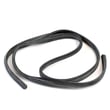
A leaking corner on your GE dishwasher is often caused by a worn or mis-seated tub corner baffle. On model GDT550PGR0WW, we fix it by cleaning the baffle channel, fully seating the new baffle, then running a short cycle and checking for leaks under the unit and around the door per the installation guide.
Before you replace the corner baffle
- Turn off power at the breaker before working near the door area or wiring.
- Wipe the tub corner and baffle groove clean; remove soap film, grit, and food residue.
- Inspect the door gasket and the tub lip for nicks or warping.
- Confirm the dishwasher is level and not twisted in the cabinet opening.
- Look for signs of door interference (door rubbing adjacent cabinets).
Corner baffle replacement steps (typical GE tub corner baffle)
- Open the door and locate the leaking corner baffle area.
- Pull the old baffle straight out of the corner channel.
- Clean the channel thoroughly so the new baffle can seal.
- Slide the new baffle into position and press firmly along its full length until it is fully seated.
- Close and latch the door; then run a quick cycle and re-check for leaks.
Leak-check routine after the repair
The installation procedure for this model includes a wet test and specific leak checks. Use this checklist:
| Where to check | What it usually means | What to do next |
|---|---|---|
| Under the dishwasher | Loose fill, drain, or pump connections | Tighten connections with power off; re-test |
| Around the door corners | Baffle not seated, gasket issue, or door alignment | Re-seat baffle, inspect gasket, correct alignment |
| Right-side splash during first use | Air in the water supply line after shutoff/new install | Run another cycle; it typically clears |
Why it matters
A corner baffle helps direct wash water and prevent it from escaping at the tub edge. If it is dirty, deformed, or not pressed fully into the channel, water can track out at the corner and look like a door leak.
Last updated: February 2026
Is it worth fixing a GE dishwasher?
Yes, it’s worth fixing a GE dishwasher like model GDT550PGR0WW when the problem is a normal wear item or a single, straightforward failure and the total repair cost stays well below the price of a comparable new dishwasher. Replacement makes more sense when repairs are repeated or the failure is major.
A practical way to decide (cost vs. value)
We use these checkpoints to make the call quickly:
- Age: Under 10 years old typically favors repair; 10+ years old often favors replacement.
- Repair cost: If the repair is under 50% of the cost of a new unit, repair is usually the better value.
- Failure type: Leaks, draining issues, and cleaning performance problems are often repairable; repeated electronic failures are less cost-effective.
- History: If it has had multiple breakdowns in the last 12 to 24 months, replacement is usually the smarter spend.
- Downtime: If you need reliable daily use and parts or service time is stacking up, replacement wins.
Common “worth fixing” vs. “replace it” examples
| Situation | Usually worth fixing | Usually replace |
|---|---|---|
| Not draining | Clog, hose routing, drain path issue | Pump or control issues plus other symptoms |
| Not cleaning well | Filter/spray arm cleaning, loading, detergent | Persistent poor wash after multiple repairs |
| Won’t start | Wall switch off, control needs reset | Repeated no-start tied to major electronics |
| Leaking | Door seal or installation/leveling | Tub damage or multiple leak points |
What to check first on GDT550PGR0WW
These quick checks solve a lot of “repair” calls without parts:
- If it’s on a wall switch, make sure it’s ON; if it was turned off, wait 5 to 10 seconds after switching on before pressing Start so the control can initialize.
- Confirm you’re using automatic dishwasher detergent (not hand dish soap) and don’t block the dispenser with tall items.
- If cycles seem “too long,” compare your selected cycle and options to the timing guidance in the GDT550PGR0WW owner’s manual.
- If you’re seeing an error code, match it to the GE electronic dishwasher error codes list before scheduling service.
Why it matters
A dishwasher repair is a good investment when it restores reliable washing and drying for several more years at a predictable cost. Using the right detergent, power setup, and cycle choices also prevents repeat problems that look like “bad parts.”
Last updated: February 2026
What is the life expectancy of a GE profile dishwasher?
A GE Profile dishwasher typically lasts 10 to 12 years with normal household use. For your GE GDT550PGR0WW, lifespan depends most on water quality, how often it runs, and routine care like cleaning the interior and using the right detergent and rinse aid (see the owner’s manual).
What affects dishwasher lifespan most
- Hard water and mineral buildup; film and deposits make pumps, heaters, and valves work harder
- Heavy daily use (multiple loads per day) versus light use
- Poor draining or standing water; increases odor and component wear
- Detergent and rinse aid choices; using dishwasher-approved products helps prevent buildup
- Installation quality; proper electrical and plumbing setup reduces failures over time
Maintenance that helps you reach (or beat) 10 to 12 years
The GE manual recommends cleaning and de-odorizing the dishwasher interior using citric acid or a dishwasher cleaner to break up mineral deposits.
- Clean and de-odorize the dishwasher interior periodically
- Wipe the control panel with a lightly damp cloth, then dry
- Use quality detergents and rinse aids approved for dishwashers
- Avoid overloading; keep spray paths clear for better wash performance
- Address draining or cleaning issues early (before they strain the motor and pump)
Quick expectations by usage level
| Usage pattern | Typical life expectancy | What to focus on |
|---|---|---|
| Light (2 to 4 loads/week) | 11 to 13 years | Cleaning, correct loading |
| Average (5 to 7 loads/week) | 10 to 12 years | Cleaner cycles, rinse aid |
| Heavy (1 to 2 loads/day) | 8 to 11 years | Hard-water control, prompt repairs |
Why it matters
Dishwashers usually fail early from buildup, poor draining, or installation-related stress. Keeping the tub clean and deposits under control helps protect high-wear parts like the circulation system, heater, and inlet components.
Last updated: February 2026
What is the most common problem with a GE dishwasher?
The most common problems we see on a GE dishwasher like model GDT550PGR0WW are not draining, not starting, and not cleaning well. In many cases, the fix is basic maintenance (filter and spray arm cleaning), correct detergent use, or addressing a door latch or drain restriction; see the GDT550PGR0WW owner's manual.
Most common issues and what to check first
- Won’t drain: check the filter area for debris, confirm the sink/disposal inlet is clear, and make sure the drain hose is not kinked.
- Won’t start or stops mid-cycle: confirm the door closes and latches fully; try a control reset (power off at breaker for a few minutes).
- Not cleaning dishes: avoid blocking the detergent dispenser with tall items; load so spray arms can rotate freely.
- Suds or overflow: use only automatic dishwasher detergent (never hand dish soap).
- Cloudy glassware: reduce detergent if you have soft water; etching is permanent once it happens.
Quick symptom-to-cause guide
| Symptom | Most likely cause | Best first step |
|---|---|---|
| Standing water in tub | Clog in filter/drain path | Clean filter area; check drain hose routing |
| Detergent left in cup | Dishes blocking dispenser | Reload so the dispenser door can open |
| Suds in tub | Wrong detergent or rinse aid spill | Switch to automatic detergent; wipe spills |
| Poor wash results | Loading or detergent issue | Use quality detergent; don’t block spray paths |
Why it matters
Drain restrictions, incorrect detergent, and loading issues can look like a “bad pump” or “bad control”, but they often cause the same symptoms. Fixing the basics first restores performance and helps prevent repeat clogs, sudsing, and wash-out problems.
When an error code shows up
If your GE dishwasher displays an error code, we use it to narrow the failure quickly (drain, fill, heating, or control). Use the GE electronic dishwasher error codes guide for code meanings and next steps.
Last updated: February 2026





