Installation guide
 Owner’s manual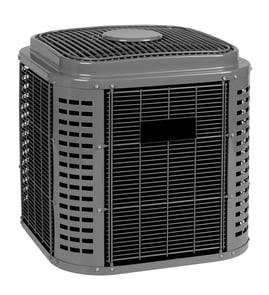




What is the average cost to replace a central AC unit?
Replacing a central AC unit typically costs about $6,000 on average, with many full replacements falling roughly in the $1,500 to $12,500 range depending on system size (tonnage/SEER), ductwork changes, electrical work, and local labor rates. For your Icp NAC030AKA1 condensing unit, confirm installation requirements in the installation guide.
What drives the price up or down
- Capacity and efficiency: higher tonnage and higher SEER equipment costs more.
- Ductwork modifications: repairs, resizing, or sealing can add significant labor.
- Electrical and controls: disconnect, whip, breaker sizing, and control wiring updates.
- Refrigerant line work: line set replacement, flushing, or brazing.
- Coil matching: pairing the outdoor unit with a properly matched indoor coil.
- Permits and code compliance: varies by location and scope.
Typical replacement cost breakdown (common ranges)
| Cost item | What it usually includes | Typical share of total |
|---|---|---|
| Equipment | Outdoor condensing unit, indoor coil (if replaced), pad, small materials | 35% to 55% |
| Labor | Removal, installation, brazing, evacuation, charging, startup | 30% to 50% |
| Extras | Ductwork, electrical upgrades, permits, thermostat, line set | 0% to 30% |
Why it matters for NAC030AKA1 owners
A “central AC replacement” quote can mean anything from swapping only the outdoor condensing unit to replacing the outdoor unit plus the indoor coil and making code-related updates. The warranty language for Icp equipment also ties coverage to proper installation, code compliance, and yearly maintenance as described in the owner's manual.
When you might replace parts instead of the whole unit
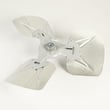
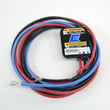
If the system is otherwise in good shape, a repair can sometimes restore cooling at a much lower cost than full replacement. Common service parts for this model include the central air conditioner condenser fan blade 1085958 and the contactor (listed in the parts list for this model).
Last updated: February 2026
What is the average lifespan of a central air conditioning unit?
Most central air conditioning condensing units last 15 to 20 years with proper installation, correct refrigerant charge, and regular maintenance. For your Icp NAC030AKA1 condensing unit, following the service and maintenance guidance in the NAC030AKA1 owner's manual helps you get the longest, most efficient life.
Typical lifespan ranges (what to expect)
- 15 to 20 years: common for many modern central A/C systems with routine upkeep
- 10 to 12 years: common when maintenance is skipped, airflow is restricted, or the unit runs under high stress
- Earlier replacement: more likely if the condenser coil is badly corroded, the compressor is failing, or electrical components overheat repeatedly
What shortens (or extends) A/C life
Regular care matters because a condensing unit is exposed to weather, dirt, and electrical load.
Big lifespan factors:
- Outdoor coil cleanliness and unrestricted airflow
- Correct system sizing and duct airflow (low airflow can stress the compressor)
- Electrical health (tight connections, correct voltage)
- Annual professional service (many warranties require proof of yearly service)
- Coastal or corrosive environments that accelerate coil damage
Lifespan vs. warranty: quick comparison
Your unit’s actual lifespan can exceed warranty coverage. The documentation also emphasizes keeping records and annual service.
| Item | Typical real-world lifespan | Maintenance record importance |
|---|---|---|
| Condensing unit (overall) | 15 to 20 years | Helps support warranty requirements and consistent performance |
| Compressor | Often 10+ years | Annual service reduces overheating and low-charge damage |
| Electrical controls | 5 to 10 years | Heat and worn contacts can shorten life |
Why it matters
A unit near end-of-life often costs more to keep running and can lose efficiency. Knowing the typical lifespan helps you plan maintenance, avoid surprise breakdowns, and decide when a repair is worth it.
Last updated: February 2026
What is the most expensive part to replace on an AC unit?
For the Icp NAC030AKA1 condensing unit, the most expensive repair is typically sealed-system work; compressor replacement and refrigerant-side coil repairs cost the most because they require refrigerant recovery, brazing, evacuation, and recharging. For covered components and maintenance requirements, use the NAC030AKA1 owner's manual.
What usually costs the most
These repairs combine high-cost components with specialized labor.
- Compressor replacement (sealed-system labor plus refrigerant handling)
- Condenser coil replacement (often requires opening the refrigerant circuit)
- Evaporator coil replacement (also sealed-system work, usually at the indoor unit)
- Refrigerant leak diagnosis and repair (time-intensive)
- Multiple-component electrical damage after a short or surge (wiring, controls, motors)
Cost drivers at a glance
| Repair type | Typical cost level | What makes it expensive |
|---|---|---|
| Compressor or refrigerant-side coil | Highest | Sealed-system procedures plus refrigerant work |
| Leak search and repair | High | Diagnostic time plus sealed-system steps |
| Fan and airflow parts | Medium | Mechanical replacement; no refrigerant circuit opening |
| Electrical controls and wiring | Low to medium | Usually faster access and replacement |
Model-matched parts that can mimic “major failure” symptoms
Before assuming a compressor or coil issue, we commonly check these NAC030AKA1 parts because failures can cause no-cool, won’t-start, or overheating symptoms.
- Central air conditioner condenser fan blade 1085958: a bent or cracked blade reduces airflow and can overheat the compressor
- Plug wire 1083654: heat damage or rubbing can cause intermittent operation
Why it matters
Sealed-system repairs are expensive largely because of the labor and refrigerant-handling steps. Confirming airflow and basic electrical operation first helps prevent replacing a major component when the root cause is a simpler part.
Last updated: February 2026