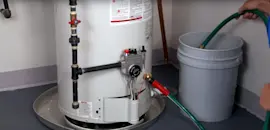
Owner’s manual
 Error Codes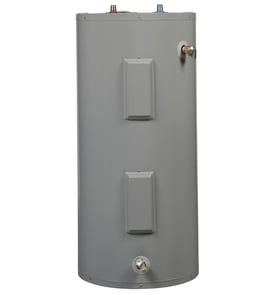



Can you replace parts on a hot water heater?
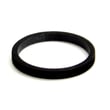
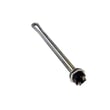
Yes. On the American E1F30HD035V electric water heater, many service parts are replaceable (such as thermostats, heating elements, the drain valve, and the temperature and pressure relief valve) as long as power and water are shut off and the correct replacement part type is used; see the E1F30HD035V owner's manual for model-specific procedures and safety steps.
These are typical replaceable items that match the parts available for the E1F30HD035V:
- Upper thermostat: top t-stat 100108683
- Lower thermostat: lwr t-stat 100108421
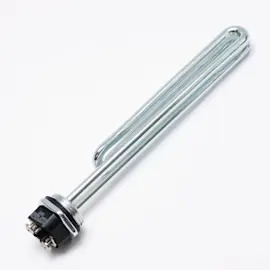
- Heating element: element 100109629 (and some models use element ga 100108414)
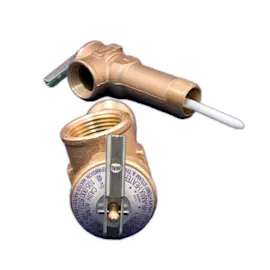
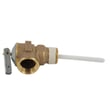
- Temperature and pressure relief valve: t&p valve 100108279
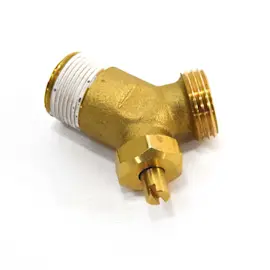
- Drain valve: drain valve 100109106
- Dip tube: water heater dip tube 100112124
Electric water heaters combine 240V power, hot water, and pressure; safe prep prevents shocks, scalding, and leaks.
- Turn off power at the breaker and confirm power is off
- Shut off the cold water supply valve to the heater
- Open a hot water faucet to relieve pressure
- Drain the tank as needed for the repair (elements and drain valves typically require draining)
- Never energize the heater until the tank is completely full of water
For heating elements and controls, matching the correct style and electrical rating matters.
| Part type | What must match | Why it matters |
|---|---|---|
| Heating element | Same style and same voltage/wattage rating | Prevents overheating, slow recovery, and electrical damage |
| Thermostat/high limit | Correct type for the heater | Ensures accurate temperature control and safe shutoff |
| T&P relief valve | Correct rating and proper discharge piping | Protects the tank from dangerous overpressure |
Using the correct parts and procedures helps your E1F30HD035V heat safely and consistently. For example, the manual notes the high-limit safety shutoff trips if water temperature exceeds about 170°F, and it also warns not to operate the heater if thermostats or insulation have been exposed to water.
Last updated: February 2026
What is the cost to replace a 50 gallon electric water heater?
Replacing a 50-gallon electric water heater typically costs about $1,000 to $3,000 installed in most U.S. markets. The total depends on the heater type (standard vs. hybrid/heat pump), whether it is a straightforward swap, and any electrical or plumbing updates required; use the E1F30HD035V owner's manual to confirm your existing setup details before you buy.
- Water heater unit: $500 to $1,000+ (standard electric)
- Labor and basic installation: $500 to $1,500+
- Optional upgrades or corrections: $0 to $1,000+ (wiring, shutoff valve, expansion tank, venting not applicable for electric)
- Permits and disposal (common add-ons): varies by area
| Scenario | What usually changes | Typical installed range |
|---|---|---|
| Like-for-like standard electric swap | Minimal plumbing and electrical changes | $1,000 to $2,000 |
| More complex replacement | Valve/piping changes, access issues, code updates | $1,500 to $3,000+ |
| Hybrid (heat pump) electric | Higher equipment cost, may need more space/airflow | $2,500 to $4,500+ |
- Electrical work (new breaker, wire gauge changes, junction box repairs)
- Plumbing modifications (new shutoff, piping rework, leak repairs)
- Location and access (tight closet, attic, crawlspace, long carry)
- Water quality and maintenance history (sediment can shorten element life and complicate service)
- Safety component replacement during install (for example a worn relief valve such as the t&p valve 100108279)
A replacement that matches your home’s electrical requirements and piping layout helps prevent nuisance trips, slow recovery, and premature heating element or thermostat failures. Your manual also outlines key safety and maintenance practices that protect the tank and components over time.
- Upper thermostat (example: top t-stat 100108683)
- Lower thermostat (example: lwr t-stat 100108421)
- Heating element (example: element 100109629)
- Drain valve (example: drain valve 100109106)
Last updated: February 2026
What is the normal lifespan of an electric water heater?
Most electric water heaters last 10 to 15 years under normal use. For your American E1F30HD035V electric water heater, regular maintenance (especially checking the anode rod and flushing sediment) is what most directly determines whether you land closer to 10 years or closer to 15.
An electric tank water heater’s life is mainly limited by tank corrosion and scale buildup.
- Water quality: hard water and aggressive water chemistry speed up scale and corrosion
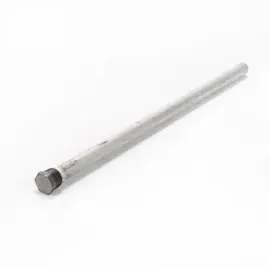
- Anode rod condition: a depleted anode lets the tank corrode faster
- Sediment level: heavy sediment can overheat elements and reduce efficiency
- Temperature setting: higher settings increase stress on components
- Installation and electrical supply: loose wiring or incorrect voltage can shorten element life
Your manual explains that the anode rod protects the glass-lined tank and should be inspected periodically.
| Maintenance item | How often | Why it matters |
|---|---|---|
| Inspect anode rod | Every 3 years | Protects the tank from corrosion |
| Drain a few gallons from the tank | Periodically | Helps reduce sediment buildup |
| Check for leaks at fittings and valves | Periodically | Early leak detection prevents damage |
| Verify thermostat setting | Periodically | Helps prevent overheating and scald risk |
For model-specific safety, access panels, and thermostat adjustment details, follow the E1F30HD035V owner's manual.
These symptoms often show up as the tank or internal parts wear out:
- Rust-colored water or metallic odor (after ruling out plumbing issues)
- Moisture or corrosion around the tank base or element doors
- Rumbling or popping sounds from heavy sediment
- Hot water runs out faster than it used to
- Repeated heating issues even after element or thermostat service
Once the tank starts corroding internally, repairs become limited; maintenance that preserves the anode rod and reduces sediment is the most effective way to extend service life and keep recovery time and energy use in check.
Last updated: February 2026
What is usually the most common water heater problem?
The most common water heater problem is water around the heater, caused by a leaking plumbing connection, a valve, or (over time) internal tank corrosion. For the American E1F30HD035V electric water heater, our owner's manual explains that the tank can eventually leak after extended use due to normal corrosive action.
- Look for dripping at the cold and hot water connections on top of the tank.
- Check the temperature and pressure relief valve discharge line for intermittent dripping.
- Inspect the drain valve for seepage or a slow drip.
- Look for moisture at the element access panels (a leaking gasket can wet the insulation).
- Confirm the water is not normal condensation on the tank.
| What you notice | Most likely source | What to do next |
|---|---|---|
| Water on top of tank | Loose or failed inlet/outlet connection | Tighten fittings; recheck for leaks |
| Drips from relief valve pipe | T&P valve weeping or pressure/temperature issue | Verify thermostat setting; replace the valve if it will not reseat |
| Drip at bottom drain | Drain valve leaking | Replace the drain valve |
| Wet under heater with no fitting leaks | Tank leak (corrosion) | Plan for replacement; add a drain pan routed to a drain |
If the leak is from a serviceable component (not the tank), these model-matched parts are common fixes:
- T&p valve 100108279 (leaking or will not reseat)
- Drain valve 100109106 (seeping at the outlet or stem)
Even a small leak can damage flooring and nearby materials. The owner's manual recommends protecting the area from water damage, including using a drain pan piped to an adequate drain, and it notes that tank leakage can occur over time from normal corrosion.
Last updated: February 2026