Owner’s manual
 Error Codes

How can I tell how many cubic feet my freezer is?
To estimate the cubic feet of your Frigidaire LFFH17F3QWC upright freezer, we measure the usable interior width, depth, and height (in inches), multiply them, then divide by 1,728 to convert cubic inches to cubic feet. For model-specific measuring tips, use the LFFH17F3QWC owner’s manual.
How to measure your freezer’s capacity
- Empty the freezer enough to measure the inside cavity (not the outside cabinet).
- Measure interior width (left wall to right wall).
- Measure interior depth (back wall to the inside of the door gasket area, not the door bins).
- Measure interior height (floor to ceiling of the compartment).
- Calculate:
- Cubic inches = width × depth × height
- Cubic feet = cubic inches ÷ 1,728
Quick conversion table
| What you have | Formula | Result |
|---|---|---|
| Inches (W × D × H) | (W × D × H) ÷ 1,728 | Cubic feet |
| Feet (W × D × H) | W × D × H | Cubic feet |
Example calculation
If the interior measures 36 in wide × 24 in deep × 24 in high:
- Cubic inches = 36 × 24 × 24 = 20,736 in³
- Cubic feet = 20,736 ÷ 1,728 = 12 ft³
Tips to get a more realistic “usable” number
- Measure the main cavity, not door shelves or protruding features.
- If shelves, ducts, or the evaporator cover reduce space, measure between them.
- Round to the nearest tenth (for example, 16.8 ft³).
- If you are comparing to advertised capacity, remember manufacturers may rate capacity differently.
Why it matters
Knowing cubic feet helps us match your storage needs and compare upright freezers fairly, especially when deciding between similar Frigidaire models or planning how much frozen food you can store.
Last updated: January 2026
What is the life of an upright freezer?
For the Frigidaire LFFH17F3QWC upright freezer, a typical service life is 10 to 15 years. With steady indoor temperatures, good airflow around the cabinet, and a tight door seal, many upright freezers can run closer to 15 to 20 years.
What affects lifespan most
- Room temperature and ventilation: Hot garages and tight enclosures make the compressor work harder.
- Door seal condition: Air leaks cause longer run times and frost buildup.
- Defrost system health: A failing defrost timer or heater can lead to heavy frost and poor cooling.
- Condenser cleanliness: Dust buildup increases heat and wear.
- Usage habits: Frequent door openings and overpacking reduce airflow.
Maintenance that helps your LFFH17F3QWC last longer
We recommend following the care and cleaning guidance in the LFFH17F3QWC user manual. Practical habits that usually pay off include:
- Keep the freezer level so the door closes consistently.
- Leave space around vents and shelves for air circulation.
- Keep the freezer reasonably full (but not packed tight) to stabilize temps.
- Clean dust from the condenser area periodically.
- Defrost and address frost issues early instead of letting ice build up.
Quick “repair vs. replace” guide
| If your freezer is… | Usually makes sense to… | Why |
|---|---|---|
| Under 10 years old | Repair | Parts and labor often cost less than replacement |
| 10 to 15 years old | Compare costs | Efficiency and major-component risk start rising |
| Over 15 years old | Replace if major sealed-system issue | Compressor or refrigerant repairs can be costly |
Why it matters
Knowing the expected lifespan helps you plan for maintenance and decide when a cooling problem is likely a simple fix (like a door seal or defrost component) versus a sign of end-of-life wear.
Last updated: January 2026
What is the most common freezer problem?
For the Frigidaire LFFH17F3QWC upright freezer, the most common problem we see is poor cooling caused by restricted airflow or frost buildup on the evaporator, often tied to a door not sealing tightly or a defrost system issue. Start with basic checks in the LFFH17F3QWC user manual.
Most common symptoms (and what they usually point to)
- Frost or ice buildup on the back wall or shelves: defrost problem or door leak
- Freezer not cold enough: airflow blockage, dirty condenser area, or fan issue
- Uneven temperatures (top colder than bottom, or vice versa): blocked vents or fan not moving air
- Long run times: warm air entering through the door gasket or restricted heat rejection
- Buzzing, grinding, or rattling: evaporator fan motor or fan blade interference
Quick checks we recommend first
- Confirm the temperature setting is correct and the door closes fully.
- Look for packages blocking interior vents and air passages.
- Inspect the door gasket for gaps, tears, or areas that do not grip the cabinet.
- Check for heavy frost on the evaporator cover area (a strong clue of a defrost issue).
- Clean dust from the condenser area so the system can shed heat.
Parts that commonly solve these problems on LFFH17F3QWC
If your symptoms match, these model-compatible parts are common fixes:
| Symptom | Likely area | Example compatible part |
|---|---|---|
| Frost buildup, warming | Defrost system | White-westinghouse freezer defrost heater 5304496284 or freezer defrost timer 5304518034 |
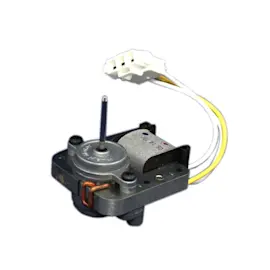
| Warm temps, weak airflow | Evaporator fan | Frigidaire freezer evaporator fan motor 297309000 |
| Frost near door, long run times | Door seal | Frigidaire freezer door gasket, 32-7/8 x 61-1/4-in (white) 5304505529 |
Why it matters
Airflow and defrost problems can snowball fast: frost blocks the evaporator, the fan cannot circulate cold air, and the compressor runs longer. Fixing the root cause helps protect food and reduces energy use.
Last updated: January 2026
What is the most dependable upright freezer?
There is not one single “most dependable” upright freezer for every home; dependability varies by how the freezer is used, installed, and maintained. For a Frigidaire upright freezer like model LFFH17F3QWC, you will usually get the best long-term reliability by choosing a simple feature set and keeping airflow, door sealing, and defrost performance in good shape (see the LFFH17F3QWC owner’s manual).
What to look for in a dependable upright freezer
We see the best real-world reliability when these basics are strong:
- Stable temperature control and consistent airflow
- Tight door seal and easy door closure (prevents frost and warm spots)
- A defrost system that keeps the evaporator from icing over
- Clear alarms or indicator lights so you catch temperature issues early
- Easy-to-clean condenser area and good ventilation around the cabinet
How to compare “dependability” across brands and models
Because reliability data changes over time and depends on usage, we recommend comparing models using a few practical checkpoints:
| What you’re comparing | Why it matters | What to verify before buying |
|---|---|---|
| Manual defrost vs. frost-free | Frost-free adds parts but reduces ice buildup | Your tolerance for defrosting and maintenance |
| Garage-ready rating | Prevents warm/freezing ambient issues | The stated operating temperature range |
| Door seal quality | Reduces frost and compressor run time | Gasket fit, door alignment, and closure feel |
| Serviceability | Faster, cheaper repairs | Parts availability and access to service info |
Keeping an upright freezer dependable (applies to LFFH17F3QWC)
Even a top-rated freezer can struggle if airflow or sealing is poor. These steps help prevent the most common failures:
- Keep the freezer level so the door closes and seals correctly
- Do not block interior vents; leave space around packages for airflow
- Clean dust from the condenser area periodically
- If you see heavy frost or warming, inspect the defrost system components
- Replace worn sealing parts promptly to prevent moisture intrusion
If your LFFH17F3QWC is building frost, warming, or running constantly, a failed defrost component is a common cause; the freezer defrost timer 5304518034 is one part that can affect defrost operation on this model.
Why it matters
“Dependability” is mostly about temperature stability and moisture control. A freezer that seals well and defrosts correctly protects food quality, reduces energy use, and avoids compressor overwork.
Last updated: January 2026
Is it worth repairing an upright freezer?
Repairing a Frigidaire LFFH17F3QWC upright freezer is usually worth it when the problem is a replaceable component (like a defrost part, fan motor, or door gasket) and the cabinet is in good shape. If the repair involves sealed-system work (compressor or refrigerant), replacement often makes more sense.
Quick decision checklist
- The freezer still holds temperature sometimes (intermittent issue)
- The door seals well and the liner is not damaged
- The problem points to a serviceable part (timer, heater, fan, control)
- You can confirm symptoms using the troubleshooting section in the LFFH17F3QWC manual
- The repair is not a sealed-system job (compressor, refrigerant leak)
Common repairs that are often cost-effective
These are typical “fix it” scenarios for an upright freezer like the LFFH17F3QWC:
- Heavy frost buildup and warm temps: defrost system parts such as the white-westinghouse freezer defrost heater 5304496284 or defrost timer
- Warm freezer but fan not running: evaporator fan motor
- Excessive run time or warm spots: door gasket or airflow/baffle issues
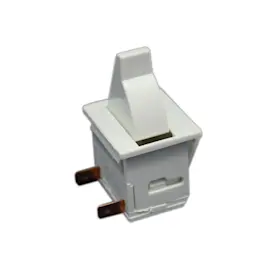
- No interior light or door-ajar behavior: door switch
Repairs that often push you toward replacement
Sealed-system repairs can be expensive and are best handled by a pro:
- Compressor not starting or locked up
- Refrigerant leak or restriction
- Evaporator/condenser replacement tied to sealed-system service
Cost vs. value guide
| What’s wrong | Typical direction | Why |
|---|---|---|
| Frosted evaporator cover, poor airflow | Repair | Often a defrost component or fan issue |
| Door not sealing, ice around door | Repair | Gasket/hinge/closer parts are serviceable |
| Compressor or refrigerant issue | Replace (often) | Higher labor and specialized tools |
Why it matters
A targeted repair can restore proper temperature control, reduce energy use, and prevent food loss. The key is identifying whether the failure is a normal replaceable part versus sealed-system trouble.
Last updated: January 2026
Where is the model number on a Frigidaire upright freezer?
On the Frigidaire upright freezer model LFFH17F3QWC, the model number is typically on a rating label along the interior side trim; you can usually see it as soon as you open the door. For label examples and wording, use the LFFH17F3QWC manual.
Where to look first (fast checklist)
- Open the freezer door and look along the inside cabinet wall/side trim near the front edge.
- Check the upper side wall area where the door gasket meets the liner.
- Look for a white or silver rating label with model and serial information.
- Use a flashlight; labels can be easier to read at an angle.
- If the label is frosted over, let the door stand open briefly and wipe away surface frost.
What the label usually includes
Most Frigidaire upright freezer rating labels include:
- Model number (for example, LFFH17F3QWC)
- Serial number
- Electrical ratings (volts/amps)
- Refrigerant information
| What you need | Why you need it | Where it appears |
|---|---|---|
| Model number | Confirms exact parts fit | Rating label inside the cabinet |
| Serial number | Helps match production variation | Same rating label |
| Electrical info | Useful for service diagnostics | Same rating label |
Why it matters
We use the exact model number to match the correct diagrams and compatible parts for your freezer. Even small model-number differences can change items like the temperature control, door hardware, or defrost components.
If the label is missing or unreadable
- Check for a second label location just inside the door opening on the opposite side trim.
- Take a clear photo and zoom in; the print is often small.
- If you are troubleshooting a cooling or defrost issue, having the model number helps us narrow down likely components such as the freezer defrost timer 5304518034 or the Frigidaire freezer evaporator fan motor 297309000.
Last updated: January 2026
How to clean the coils on a Frigidaire upright freezer?
To clean the coils on your Frigidaire upright freezer model LFFH17F3QWC, unplug the freezer, remove the lower front grille (if equipped), then brush and vacuum dust from the condenser coil area and nearby fan intake. Finish by reinstalling the grille and restoring power; see the LFFH17F3QWC owner’s manual for access and care notes.
Steps to clean the condenser coil safely
- Unplug the freezer (or switch off the breaker) to prevent shock and fan injury.
- Pull the freezer forward a few inches for airflow and access.
- Remove the toe grille or lower front cover if your LFFH17F3QWC has one.
- Use a coil brush to loosen lint; brush along the coil fins (avoid crushing fins).
- Vacuum the loosened debris with a crevice tool.
- Wipe the floor area and reinstall the grille; plug the freezer back in.
Tools and supplies we recommend
| Item | Why we use it | Notes |
|---|---|---|
| Coil brush | Loosens packed dust | Brush gently to protect fins |
| Vacuum with crevice tool | Removes debris quickly | Keep nozzle from snagging wiring |
| Flashlight | Helps you see the coil and fan area | Useful behind the grille |
| Soft cloth | Final wipe-down | Keep water away from electrical parts |
When cleaning is not enough
If the freezer still runs hot, runs constantly, or will not hold temperature after coil cleaning, check for these common issues:
- Blocked airflow around the cabinet (tight enclosure, items against vents)
- Door not sealing (warm air leaks)
- Heavy frost buildup inside (defrost system issue)
- Dirty or damaged condenser coil
If the coil is bent, corroded, or leaking, replacement may be needed; the compatible part for this model is the freezer condenser coil 5300083897.
Why it matters
A clean condenser coil helps your LFFH17F3QWC reject heat efficiently. That typically means steadier freezer temperatures, shorter run times, and less strain on the compressor and start components.
Last updated: January 2026
How to stop upright freezer from frosting up?
For the Frigidaire LFFH17F3QWC upright freezer, frosting is almost always caused by warm, moist air getting inside or by restricted airflow that keeps moisture from being carried to the cold surfaces evenly. We focus first on door sealing, loading habits, and temperature settings; then we check the defrost system if frost returns quickly.
Quick fixes that prevent most frost
- Make sure the door closes fully every time; avoid overloading shelves and door bins.
- Keep the door gasket clean and pliable; wipe it with warm, soapy water and dry it.
- Limit door-open time; organize food so you can grab items fast.
- Let hot foods cool before placing them in the freezer.
- Keep packages from blocking interior vents and airflow paths.
Check the door seal and closing parts
A poor seal is the most common reason an upright freezer frosts up.
- Look for gaps, tears, or hardened sections of the gasket.
- Do the “paper test”: close the door on a sheet of paper; it should resist being pulled out.
- Verify the cabinet is level so the door naturally swings shut.
If the gasket is damaged or not sealing, replacing it is often the permanent fix. Use the Frigidaire freezer door gasket, 32-7/8 x 61-1/4-in (white) 5304505529 if it matches your door configuration.
When frost points to a defrost problem
If you see heavy frost building on the back interior panel or the freezer warms up between defrosts, the defrost system may not be clearing frost from the evaporator.
| Symptom | Most likely cause | What to do next |
|---|---|---|
| Frost mainly around the door opening | Air leak | Inspect gasket, hinges, door alignment |
| Thick frost on back wall, reduced cooling | Defrost not working | Check defrost components and airflow |
| Frost after long door openings | Normal moisture load | Improve loading habits and door time |
For this model, a common defrost-related part is the freezer defrost timer 5304518034.
Why it matters
Excess frost reduces usable space, makes the freezer run longer, and can lead to temperature swings that affect food quality. Fixing air leaks and airflow issues usually restores normal operation and efficiency.
For model-specific operating guidance (recommended settings, loading, and care), follow the LFFH17F3QWC user manual.
Last updated: January 2026