Owner’s manual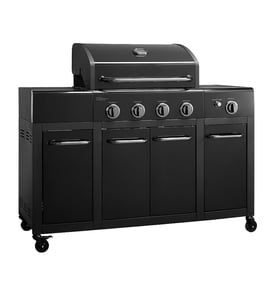



How do I find my Kenmore grill model number?
On the Kenmore gas grill model 14616197211, the model number is printed on the grill’s rating label. We typically see this label on the back of the grill base or inside the cabinet area; match the full model number exactly before ordering parts or using the 14616197211 owner's manual.
Check these common rating-label locations first:
- Back panel of the grill base (rear of the cabinet)
- Inside the cabinet (open the doors and look on side walls or the back wall)
- Under the control panel area (look for a sticker on the frame)
- Near the LP tank area (on the cabinet frame close to the tank holder)
Record the key identifiers from the rating label so you get the right Kenmore parts and instructions.
- Model number (example: 14616197211)
- Serial number (used for service history and support)
- Date purchased (helpful for warranty timing and records)
| Item on label | What it’s used for | Tip |
|---|---|---|
| Model number | Parts lookup and diagrams | Copy it exactly, including all digits |
| Serial number | Service and support | Take a photo for accuracy |
| Color/version (if shown) | Matching cosmetic parts | Note it if you’re replacing panels or a lid |
Kenmore grills often have similar-looking cabinets and control panels across different versions. Using the exact model number helps ensure parts like a door bracket, lid, or hardware align correctly and fit your grill.
Last updated: January 2026
Is it worth fixing a gas grill?
Yes, it’s usually worth fixing a Kenmore gas grill model 14616197211 when the firebox and frame are still solid and the problem is limited to serviceable parts or maintenance. If the grill has structural rust-through, persistent gas leaks, or major heat damage, replacement is the safer and more cost-effective choice.
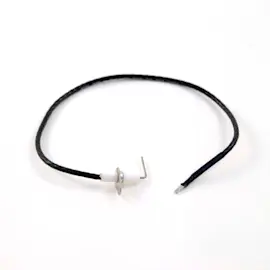
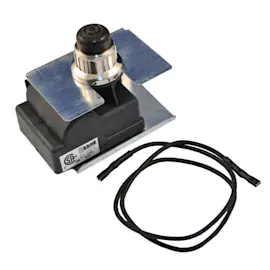
- Fix it if burners light reliably after cleaning, the cabinet/frame is stable, and the issue is limited to wear items (ignition, burner cleaning, hardware, doors/panels).
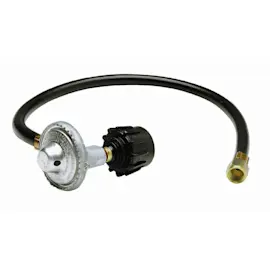
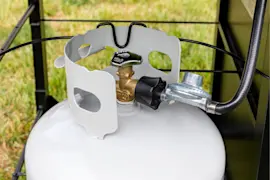
- Fix it if you can complete a safe LP connection and pass a leak test per the 14616197211 owner’s manual.
- Replace it if the firebox has holes from rust, the base is warped, or the lid/firebox no longer seals reasonably.
- Replace it if you ever detect a gas leak you cannot stop by tightening connections and re-testing.
- Replace it if the grill has repeated “flashback” symptoms from blocked venturi tubes and damage behind the control panel.
Before buying parts, we recommend these basics from the safety and care guidance:
- Perform an LP leak test; if bubbles grow, close the tank valve and correct the connection.
- Inspect the hose for cuts or wear; replace damaged hoses before using the grill.
- Confirm control knobs and valves move smoothly and spring back properly.
- Clean the grill interior and grease tray; heavy buildup can cause flare-ups and poor heating.
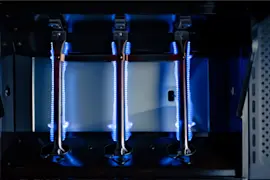
- If the grill is hard to light or flames are weak, check and clean venturi burner tubes (spider nests can restrict gas flow).
| Condition | Typical recommendation | Why |
|---|---|---|
| Solid firebox/frame; ignition or minor hardware issues | Repair | Parts and labor stay low; performance returns quickly |
| Uneven heating or weak flame due to blockage/dirty burners | Repair (cleaning first) | Often resolved with cleaning and inspection |
| Rust holes, warped firebox, or unsafe gas leak | Replace | Structural or safety issues outweigh repair value |
If your grill is structurally sound, small hardware fixes can restore usability, for example a missing or damaged gas grill match holder retainer 40800129 for manual lighting support.
A gas grill can look “repairable” but still be unsafe if it cannot pass a leak test or if airflow and burner tubes are obstructed. Starting with the safety checks helps you decide quickly and prevents flare-ups, flashback, and fuel leaks.
Last updated: January 2026
What is the average lifespan of a gas grill?
Most gas grills last 5 to 15 years. For the Kenmore 14616197211 gas grill, lifespan depends mainly on how often you cook, how well you clean and cover it, and whether you replace wear items like burners and ignition parts as they age; our best results come from consistent maintenance.
- Budget grills: 2 to 5 years
- Mid-range grills: 5 to 10 years
- Heavier-duty grills (often stainless components): 10 to 15 years (sometimes longer with upkeep)
| Grill condition and care | Typical outcome | What usually fails first |
|---|---|---|
| Covered, cleaned, stored dry | Longer life | Ignition parts, flavorizer-style shields, burners |
| Left outdoors uncovered | Shorter life | Firebox corrosion, burners, fasteners |
| Infrequent use but stored poorly | Mixed | Gas flow issues from debris, rusted burners |
Use these habits to get the most years out of your 14616197211:
- Clean grates and grease areas regularly to reduce flare-ups and corrosion.
- Keep the grill covered when stored outdoors.
- Store in a dry location when possible.
- Keep the burner venturi tubes clean; spiders and insects can nest and restrict gas flow.
- Leak-test after reconnecting the LP tank and before the first cook of the season.
- Follow safe clearances and ventilation rules to prevent overheating and damage.
For model-specific safety, storage, and cleaning guidance, use the 14616197211 owner's manual.
A grill that is hard to light, heats unevenly, or has weak flames often needs cleaning or a common wear-part replacement. Staying ahead of grease buildup and venturi obstructions helps prevent performance problems (and potential flashback damage) that can shorten the grill’s usable life.
Last updated: January 2026