



Is my Briggs & Stratton lawn mower a 2 stroke or 4 stroke?
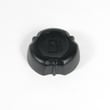
For the Briggs 128T02-1270-B1 lawn and garden engine, you can identify 2-stroke vs 4-stroke by checking the fill points: a 4-stroke has separate fuel and oil fill locations, while a 2-stroke typically has a single fuel fill cap that calls out a gas-oil mix ratio.
- Look for two separate caps: one for gasoline (fuel tank) and one for engine oil (dipstick or oil fill). That setup indicates a 4-stroke.
- Look for one cap that mentions an oil-to-fuel mix ratio (and sometimes shows fuel and oil icons). That setup indicates a 2-stroke.
- Check for an engine oil dipstick; if you have a dipstick, it is a 4-stroke.
- If you add straight gasoline and also do oil changes, it is a 4-stroke.
Using the correct fueling method prevents hard starting, smoking, plug fouling, and internal engine damage.
- If it is 4-stroke:
- Fill the tank with straight, fresh gasoline.
- Check oil level before mowing; top off as needed.
- Change oil on schedule.
- If it is 2-stroke:
- Mix the correct 2-cycle oil with gasoline at the specified ratio.
- Never add straight gasoline unless the cap specifically says so.
- Won’t start or starts then dies
- Excessive smoke from the muffler
- Spark plug fouling
- Strong fuel smell or fuel leaking from the carburetor
If you are troubleshooting a no-start or surging issue, these parts are commonly involved:
| Symptom | Common check | Example part for this model |
|---|---|---|
| Fuel smell, flooding | Fuel line condition, carb float/needle | Briggs & stratton lawn & garden equipment engine fuel line, red 791766 |
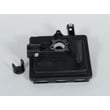
| Starts then stalls | Air leaks at intake, dirty carb | Briggs & statton lawn & garden equipment engine air filter base gasket 795629 |
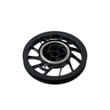
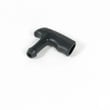
| Hard pull start | Starter rope wear | Briggs & stratton lawn & garden equipment engine recoil starter rope 697316 |
A 2-stroke relies on oil mixed into the fuel for lubrication; a 4-stroke stores oil in the crankcase. Using the wrong fueling method quickly creates starting problems and can damage the engine.
Last updated: January 2026
What is the fuel mix for a Briggs and Stratton lawn mower?
For the Briggs 128T02-1270-B1 lawn and garden engine, the correct fuel depends on whether your mower is 4-cycle or 2-cycle: most Briggs walk-behind mower engines are 4-cycle and use straight, fresh unleaded gasoline (no oil mixed in). Only 2-cycle engines require a gas-oil mix.
Use these quick checks on the Briggs 128T02-1270-B1 engine:
- If it has an oil fill cap and dipstick, it is a 4-cycle engine; use straight gas.
- If it has no oil fill and you add oil into the gas can, it is a 2-cycle engine; use a mix.
- If the engine smokes heavily and you have been mixing oil, you are likely using mixed fuel in a 4-cycle.
- If the engine seizes or runs hot and you did not mix oil (on a 2-cycle), it was under-lubricated.
| Engine type | What goes in the gas tank | Where the oil goes |
|---|---|---|
| 4-cycle (most Briggs mower engines) | Fresh unleaded gasoline | Crankcase (separate oil fill) |
| 2-cycle | Gasoline mixed with 2-cycle oil | Mixed into gasoline |
Old fuel and air leaks cause more “fuel mix” confusion than anything else. Before changing carburetor settings, we recommend:
- Drain old gas and refill with fresh fuel.
- Inspect the fuel hose for cracks, softness, or leaks; replace if needed using Briggs & stratton lawn & garden equipment engine fuel line, red 791766.
- Check the air filter base gasket for leaks that can lean out the mixture; replace if damaged using Briggs & statton lawn & garden equipment engine air filter base gasket 795629.
- If the engine was flooded, let it sit 10 to 15 minutes, then try starting with the throttle/choke set correctly.
Using mixed fuel in a 4-cycle can foul the spark plug and cause smoking and hard starting; using straight gas in a 2-cycle can quickly damage the engine. Correct fuel, fresh gasoline, and a sealed fuel system keep starting and performance consistent.
Last updated: January 2026
Why won't my Briggs and Stratton mower start?
If your Briggs & Stratton engine model 128T02-1270-B1 will not start, the cause is almost always fuel delivery, ignition spark, or an air restriction. We recommend checking the simple items first (fresh fuel, choke setting, air filter, spark) before moving to carburetor and flywheel timing.
- Drain old gas and refill with fresh fuel.
- Set choke for a cold start; move to run after it fires.
- Confirm the operator presence or blade control is held (if equipped).
- Inspect the air filter area for heavy dirt or oil.
- Pull the starter rope and note whether the engine pops, sputters, or does nothing.
Old fuel can varnish the carburetor and restrict flow.
- Check for cracked, soft, or leaking fuel hose; air leaks stop fuel delivery.
- If the engine runs for 1 to 3 seconds and dies, the carburetor is restricted.
- If the spark plug is wet and smells strongly of gas, the carburetor may be flooding.
Helpful part to inspect or replace: Briggs & stratton lawn & garden equipment engine fuel line, red 791766
No spark means the engine will never fire.
- Remove the spark plug, reconnect the boot, and test for spark while pulling the rope.
- Inspect ignition wiring for damage and make sure the stop wire is not pinched or grounded.
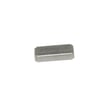
- If the rope kicks back or it backfires, the flywheel key is often partially sheared.
Helpful part to consider: Briggs & stratton lawn & garden equipment engine flywheel key 222698S
| What you notice | Most likely cause | What to do |
|---|---|---|
| No pop or sputter | No spark or kill wire grounded | Test spark; isolate stop wire |
| Starts then dies quickly | Restricted carburetor | Clean bowl and jets |
| Wet plug, strong fuel smell | Flooding | Dry plug; check float/needle |
| Kickback/backfire | Sheared flywheel key | Inspect and replace key |
A no-start is usually one failed system. Checking fuel, then spark, then air prevents unnecessary parts replacement and gets your 128T02-1270-B1 running faster.
Last updated: January 2026