Owner’s manual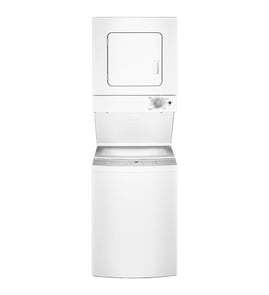


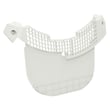
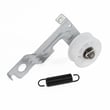
How to use LG washing machine dryer?
To use the LG WKG101HVA laundry center, run the washer first (load clothes, add HE detergent, choose a wash cycle, press Start/Pause), then move the load to the dryer (clean the lint filter, choose a dry cycle, press Start/Pause). For cycle details and options, follow the WKG101HVA owner's manual.
- Sort laundry by fabric, color, and soil level.
- Load items loosely; do not overpack the drum.
- Add HE (high-efficiency) detergent to the dispenser (or place single-use packs in the drum before loading).
- Press Power, select a cycle (for example, Normal, Bedding, Delicates, Heavy Duty, Speed Wash).
- Adjust Temp, Spin, and Soil if allowed for that cycle.
- Press Start/Pause to begin; the door locks during operation.
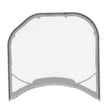
- Clean the lint filter before every load.
- Load the dryer; avoid overloading so clothes can tumble freely.
- Press Power, select a dry cycle, then adjust settings (dry level, temperature, options) as needed.
- Press Start/Pause to start; remove clothes promptly at the end of the cycle.
- Use HE detergent only for best performance.
- Do not exceed the dispenser maximum fill line.
- Do not put detergent packs, gel, or tablets in the dispenser; place them in the drum.
| Product type | Where it goes | Key tip |
|---|---|---|
| HE liquid/powder detergent | Main wash compartment | Do not overfill |
| Liquid chlorine bleach | Bleach compartment | Never mix with ammonia or acids |
| Fabric softener | Softener compartment | Do not exceed max line |
Correct loading, proper HE detergent use, and cleaning the dryer lint filter help prevent oversudsing, poor rinsing, long dry times, and avoidable wear on your LG laundry center.
Last updated: January 2026
What is the average lifespan of an LG washing machine?
LG washing machines typically last 10 to 15 years. For your LG WKG101HVA stacked laundry center, that same 10 to 15-year lifespan is a solid expectation when the washer is installed correctly, used with HE detergent, and kept clean per the WKG101HVA owner's manual.
A washer usually reaches the high end of its lifespan when wear items are protected from overloads, residue buildup, and vibration.
- Use HE (high-efficiency) detergent and avoid oversudsing
- Do not overload; leave room for clothes to tumble freely
- Run the Tub Clean cycle regularly to reduce odor and buildup
- Keep the unit level to reduce vibration and suspension wear
- Clean the drain pump filter area periodically to prevent drain strain
| Task | How often | What it helps prevent |
|---|---|---|
| Clean dryer lint filter | Every load | Long dry times, overheating |
| Run washer Tub Clean | Monthly | Odors, residue buildup |
| Check/clean drain pump filter area | Every 1 to 3 months | Drain problems, pump strain |
| Inspect inlet hoses for bulges/cracks | Twice per year | Leaks, flooding |
These symptoms do not always mean replacement, but they are common as a washer ages.
- Loud banging or persistent vibration even after leveling
- Frequent drain issues or slow draining
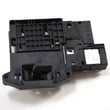
- Door will not lock consistently (a common failure point is the LG washer door lock EBF61315802)
- Repeated fill problems or very slow filling
- Error codes that return after basic cleaning and reset steps
A washer that is kept clean and not overloaded runs with less stress on the motor, drain system, and door lock. That usually means fewer breakdowns and a longer service life for your LG WKG101HVA.
Last updated: January 2026
What is the most common problem with LG dryers?
For the LG WKG101HVA laundry center, the most common dryer complaint we see is clothes taking too long to dry or not drying fully, usually because airflow is restricted (lint buildup or a venting issue). The next most common issue is noise during tumbling from wear in drum support components.
- Clean the lint screen before every load and make sure it seats fully.
- Check the outside vent hood; confirm strong airflow while the dryer runs.
- Inspect the vent path for kinks, crushed duct, or long runs that trap lint.
- Avoid overloading; tightly packed loads cannot tumble and dry evenly.
- Use the correct cycle and dryness level; sensor cycles can end early if the load is too small.
For model-specific operating and maintenance steps, follow the WKG101HVA owner’s manual.
If airflow is good but drying is still poor, the issue is often heat control or moisture sensing. These are common parts involved on LG dryers like the WKG101HVA:
| Symptom | Commonly involved component | Example compatible part for this model |
|---|---|---|
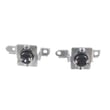
| Runs but no/low heat | Temperature sensing or safety thermostat | Dryer thermistor AGM30045804 or dryer blower thermostat 6931EL3002M |
| Stops early, clothes still damp | Moisture sensing circuit | Dryer moisture sensor 6500EL3001A |
| Loud rumble/thump while tumbling | Drum support wear | Dryer drum support roller assembly 4581EL2002L |
Restricted venting and lint buildup can cause long dry times, higher energy use, and overheating that can damage components like thermostats and sensors. Fixing airflow first prevents repeat failures and improves performance.
Last updated: January 2026