Installation guide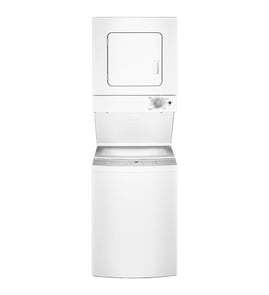


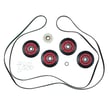
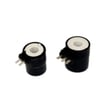
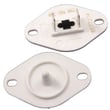
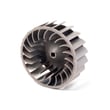
How to determine whirlpool dryer model?
For the Whirlpool laundry center model CGT9000GQ0, the model and serial numbers are on the serial-rating plate in the dryer door well. Use that exact model number when ordering parts or looking up troubleshooting information so you get the correct fit and instructions.
Where to look on CGT9000GQ0
Check these common label locations first:
- Inside the dryer door opening (the door well area is the primary location)
- On the cabinet rim just inside the door opening
- On a metal plate or durable sticker near the door switch area
- On the back panel (less common, but worth a quick check)
If the label is dirty or faded, wipe it gently with a damp cloth and a little mild cleaner, then dry it.
What to write down (and why)
Record both numbers exactly as shown:
- Model number: identifies the exact design and parts list
- Serial number: identifies the production run (helps match revisions)
- Brand: Whirlpool
- Fuel type (dryer): gas or electric (helps match heating parts)
Quick reference
| Label item | Often labeled as | Used for |
|---|---|---|
| Model number | MODEL, MOD | Correct parts diagrams and replacements |
| Serial number | SERIAL, SER, S/N | Production date range and service matching |
Why it matters
Whirlpool laundry centers can look similar across multiple model families, but internal components (like a gas igniter, thermistor, or door latch) can vary by model and serial range. Using the exact CGT9000GQ0 identification prevents wrong-part returns and repeat repairs.
Helpful next steps
- Use the measurements and clearance info in the CGT9000GQ0 installation guide when planning a replacement or moving the unit
- If you are diagnosing a fault, use Whirlpool wet and ywet error codes to match the code to the right troubleshooting path
Last updated: February 2026
What is the life expectancy of a whirlpool washing machine?
Whirlpool washing machines typically last 10 to 14 years. For your Whirlpool CGT9000GQ0 laundry center, consistent maintenance (especially keeping water hoses and the dispenser clean) is what most directly extends service life; see the CGT9000GQ0 installation guide for the care schedule.
Typical lifespan and what affects it most
A washer’s life is driven by load habits, water quality, and how well wear items are maintained.
- Overloading strains the drive system, tub bearings, and suspension
- Too much detergent causes excess suds and residue that can lead to odors and poor draining
- Hard water accelerates mineral buildup in valves and the dispenser
- Unbalanced loads increase vibration and can shorten component life
- Ignoring small leaks can damage floors and internal components over time
Maintenance that adds years (high impact)
The CGT9000GQ0 care guidance in the installation documentation calls out two big items: cleaning the dispenser components and proactively replacing inlet hoses.
- Rinse and clean the dispenser drawer inserts under running water (do not use a dishwasher)
- Replace water inlet hoses every 5 years; inspect periodically for bulges, kinks, cuts, wear, or leaks
- Record the hose replacement date so the 5-year interval is easy to track
- Level the unit to reduce vibration and stress on the tub and cabinet
- Use the correct cycle and load size to prevent repeated out-of-balance spinning
Quick reference: what to replace and when
| Item | Typical interval | Why it matters |
|---|---|---|
| Water inlet hoses | Every 5 years | Reduces risk of hose failure and leaks |
| Dispenser inserts | Clean as needed | Prevents buildup that can affect dispensing |
| Drain system checks | Periodically | Helps prevent slow draining and pump strain |
Why it matters
Most “early failures” come from preventable stress: chronic overloading, vibration, and water-related issues. Following the hose and dispenser maintenance guidance helps your Whirlpool laundry center run reliably for its full expected lifespan.
Last updated: February 2026
What is the most common problem with whirlpool washers?
On Whirlpool washers like model CGT9000GQ0 (washer portion of the stacked laundry center), the most common problems we see are won’t drain or won’t spin, usually caused by a drain restriction, a failing drain pump, or a door/lid lock issue. Use the CGT9000GQ0 installation guide for model-specific checks and service access details.
Most common symptoms and what they usually mean
- Washer won’t drain: clogged drain hose, blocked pump inlet, or a failing pump
- Washer won’t spin: load out of balance, door/lid lock not engaging, or drive system issue
- Loud banging or shaking: unbalanced load, leveling problem, or worn suspension components
- Won’t start: power issue, control not sensing a locked door/lid, or a control fault
- Leaks: worn seals/hoses, loose clamps, or hose damage
Quick checks we recommend first (fast, no parts)
- Redistribute the load; run a spin/drain cycle with a smaller load.
- Confirm the unit is level and firmly on the floor.
- Inspect the drain hose for kinks and make sure it is not shoved too far into the standpipe.
- Check for hose wear; Whirlpool guidance is to replace water inlet hoses after 5 years and replace sooner if you see bulges, kinks, cuts, wear, or leaks.
- Power reset: unplug (or switch breaker off) for 1 minute, then retry.
When it is likely a part problem
If the washer hums but does not drain, drains slowly, or stops mid-cycle, the drain pump is a top suspect on this platform.
| Symptom | Most likely area | Common next step |
|---|---|---|
| Won’t drain / standing water | Drain pump or blockage | Check pump and hoses; replace pump if seized |
| Won’t spin | Door/lid lock or drive system | Verify lock operation; check for error codes |
| Leaks at front/bottom | Seal/hoses/clamps | Inspect for drips during fill and drain |
Model-matched part to consider when drainage is the issue: washer drain pump assembly WPW10730972.
Error codes (helps pinpoint the failure faster)
For Whirlpool laundry centers, we use error codes to narrow the cause quickly; see Whirlpool wet and ywet error codes.
Why it matters
Drain and spin problems can leave clothes soaking wet, strain the drive motor, and cause repeat shutdowns. Catching hose wear early also prevents leaks and downtime.
Last updated: February 2026