Owner’s manual
 View engine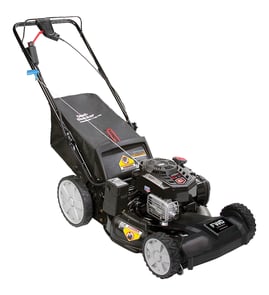
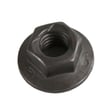


Should I use 87 or 89 gas for lawn mower?
For the Craftsman rotary lawn mower model 917377562, use fresh, clean regular unleaded gasoline with a minimum octane rating of 87. Using 89 is not necessary for normal operation; the bigger priority is using fresh fuel and avoiding fuel with more than 10% ethanol (E15 or higher). See the fuel guidance in the owner's manual.
- Use 87 octane (regular unleaded) as your go-to fuel.
- Use fresh fuel; buy only what you will use within about 30 days.
- Avoid ethanol blends above 10% (do not use E15 or E85).
- Do not mix oil with gasoline (this mower uses straight gasoline).
- For cold weather operation (below 32°F / 0°C), use fresh winter-grade gasoline.
| Fuel choice | OK for model 917377562? | What it changes |
|---|---|---|
| 87 octane (regular) | Yes (recommended) | Correct performance for a standard small engine |
| 89 octane (mid-grade) | Yes (optional) | Typically no added benefit unless your engine specifically requires it |
| E15 or higher ethanol | No | Higher risk of fuel system issues during storage |
| Old/stale gas | No | Hard starting, rough running, stalling |
Using the right fuel helps prevent starting problems and fuel-system damage during storage. Alcohol-blended fuels can attract moisture, which can lead to separation and acidic fuel over time, especially if the mower sits.
- Check engine oil before each use; keep it at the full mark.
- Keep the engine and mower housing clear of grass and debris to reduce fire risk.
- If the mower will sit for 30 days or longer, plan fuel storage steps listed in the owner's manual.
Last updated: February 2026
Why is my self-propelled lawn mower pulling to one side?
If your Craftsman 917377562 self-propelled mower pulls to one side, the most common causes are uneven wheel height settings, a drive system that is not engaging evenly while turning, or a dragging/bent blade or blade adapter. Start with the wheel adjustments and blade area checks in the owner's manual.
- Verify both rear wheels are set to the same cutting height (one side set lower can steer the mower).
- Check the front wheels too; mismatched height settings can also cause a drift.
- Make sure the drive control is operating smoothly; partial engagement can make one side feel like it is “pushing” harder.
- Inspect the blade for bends and confirm the blade bolt is tight (a wobbling blade can create a sideways pull).
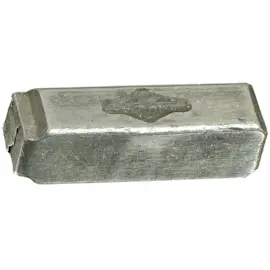
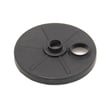
- Check the blade adapter key and hub for damage; replace the adapter if the key is worn or the hub is cracked.
Your 917377562 uses an operator presence control bar and a drive control lever. When turning corners, the manual recommends pushing down on the handle and lifting the front wheels slightly while turning to keep the drive engaged and prevent the mower from “steering itself” during the turn.
- Engage the drive fully (push the drive control lever forward until it clicks).
- If it pulls during turns, use the lift-the-front-wheels turning method described above.
If the mower still pulls after matching wheel heights and using proper drive engagement, inspect these common wear items:
| Area | What you may notice | What it points to |
|---|---|---|
| Blade and adapter | Vibration, uneven cut, drift | Bent blade or damaged adapter |
| Drive belt area | Surging or inconsistent pull | Worn or stretched belt |
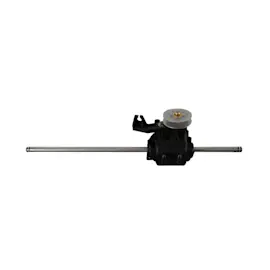
| Wheels/drive gear | One wheel “drives” differently | Worn wheel/gear components |
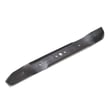
Relevant parts for this model include the lawn mower mulching blade 532406713, lawn mower blade adapter 581547901, and belt 532157769.
A mower that pulls to one side is harder to control and can leave an uneven cut. Fixing wheel height mismatches and correcting blade or drive issues also reduces vibration and helps protect the engine crankshaft.
Last updated: February 2026
What are the common problems with Craftsman lawn mowers?
Common problems on the Craftsman 917377562 rotary lawn mower are no-start conditions (stale fuel, dirty air filter, bad spark plug, disconnected plug wire), loss of power from grass buildup under the deck, and excessive vibration from a loose or damaged blade or blade adapter. See the owner's manual troubleshooting chart for model-specific checks.
- Won’t start: dirty air filter, out of fuel, stale fuel, water in fuel, bad spark plug, plug wire disconnected, control bar released
- Loss of power: heavy grass load, cutting too much at once, grass and debris packed under the mower deck, too much oil in the engine
- Poor or uneven cut: uneven wheel height settings, worn or bent blade, debris buildup under the deck
- Excessive vibration: worn or bent blade, loose blade hardware, broken blade adapter, bent crankshaft
- Starter rope hard to pull: blade dragging in grass, flywheel brake engaged when the control bar is released
- Use fresh gasoline; drain and refill if fuel is old or contaminated
- Clean or replace the air filter
- Check the spark plug and reconnect the spark plug wire firmly
- Verify the control bar is held against the handle while starting
- Tip the mower safely (spark plug wire off) and clear packed grass from under the deck
- Inspect the blade and adapter; replace worn parts as needed (for example, the lawn mower mulching blade 532406713)
| Problem | What to check first | Typical fix |
|---|---|---|
| Does not start | Fuel quality, air filter, spark plug wire | Fresh fuel, clean/replace filter, replace plug |
| Loss of power | Deck packed with grass, cutting height | Clean deck, raise cutting height |
| Excessive vibration | Blade condition, blade tightness | Tighten hardware, replace blade/adapter |
| Hard to push / won’t move (self-propelled) | Drive belt and drive control | Inspect/replace belt, adjust/replace control |
These issues usually trace back to fuel condition, airflow (air filter), ignition (spark plug), or deck/blade condition. Fixing the root cause prevents repeat no-starts, improves cut quality, and reduces vibration that can damage the mower.
Last updated: February 2026
Is it cheaper to repair or replace a lawnmower?
For a Craftsman rotary lawn mower model 917377562, it’s usually cheaper to repair when the fix is a common wear item (blade, belt, cable) and you can do the work yourself. It’s usually cheaper to replace when the engine or drive system needs major labor or multiple expensive parts.
Use this as a practical rule-of-thumb for walk-behind mowers like the 22-inch rear-discharge, self-propelled 917377562.
- Repair when the mower needs routine maintenance parts (blade, blade adapter, belt) or a single clear failure.
- Repair when the deck and engine are in good shape and you only need 1 to 3 parts.
- Replace when the engine has low compression, heavy smoke, or repeated no-start issues after a tune-up.
- Replace when the drive system needs multiple components (belt plus gears plus wheels) and you’re paying for labor.
- Replace when the deck is rusted through or the crankshaft is bent (often from blade impacts).
The owner’s manual calls out that many common mower issues are corrected by basic maintenance and wear-part replacement (for example: replacing a worn blade, tightening the blade bolt, cleaning the underside of the deck, and keeping fasteners tight). See the maintenance schedule and troubleshooting sections in the owner's manual.
| Symptom | Likely fix | Example part on this page |
|---|---|---|
| Poor cut quality, vibration | Replace worn/bent blade | Lawn mower mulching blade 532406713 |
| Self-propel feels weak or slips | Replace drive belt | Belt 532157769 |
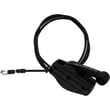
| Drive won’t engage smoothly | Inspect/replace drive control/cable | Control cable 532168552 |
Repairing a mower is most cost-effective when you’re restoring performance with normal wear items. Replacing the mower is most cost-effective when the repair turns into a chain of problems (engine plus drive plus deck), especially if you’re paying for shop time.
Last updated: February 2026
What does prime and pull start mean?
On your Craftsman rotary lawn mower model 917377562, “prime and pull start” means you press the primer to pump extra fuel for a cold start, then pull the starter handle to crank the engine. You must hold the operator presence control bar against the handle while pulling. See the owner's manual for the exact starting steps.
- Push the primer 5 times using a firm push.
- Hold the operator presence control bar down to the handle.
- Pull the starter handle quickly.
- Do not let the starter rope snap back.
- If the engine is warm, priming is usually not needed.
Over-priming can flood the engine, especially in warmer weather.
- Wait a few minutes, then try pulling again without priming.
- Make sure you are holding the operator presence control bar down.
- Check that fresh gasoline is in the tank (old fuel can cause hard starting).
- If the pull cord is hard to pull or stuck, follow lawn mower pull cord stuck.
| Term | What it does | When you use it |
|---|---|---|
| Prime (primer) | Pumps extra fuel from the carburetor to help a cold engine fire | Cold starts, cooler weather |
| Pull start (recoil starter) | Uses the starter rope/handle to spin the engine | Every start on pull-start models |
| Operator presence control bar | Safety control that must be held to keep the engine running | During starting and mowing |
Priming correctly helps the engine start faster and reduces repeated pulling. Pulling with the operator presence control bar released will prevent starting, and over-priming can delay starting by flooding the engine.
Last updated: February 2026