View engine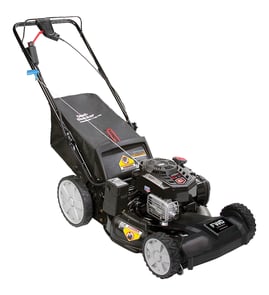



How to put a belt on a self-propelled mower?
To put a belt on a self-propelled Yard Pro model 96148002002, we route the drive belt around the engine pulley and transmission pulley, then set belt tension with the idler/bracket and reinstall the belt guards. Use the correct replacement belt so the self-propel drive engages smoothly.
Before you start (safety and setup)
- Shut the engine off and let it cool completely.
- Disconnect the spark plug wire and secure it away from the plug.
- Tip the mower with the air filter and carburetor facing up (to reduce fuel/oil leakage).
- Wear gloves; pulleys and belt edges can pinch.
Belt installation steps (typical self-propel routing)
- Remove the belt cover(s) and any belt keeper/bracket hardware.
- Slip the belt off the pulleys and note the routing (a quick photo helps).
- Route the new belt around the engine drive pulley first.
- Route the belt through any belt guides/keepers and onto the transmission pulley.
- Reattach the idler/bracket so it applies tension to the belt.
- Spin the pulleys by hand to confirm the belt is seated in the grooves and not twisted.
- Reinstall belt covers/guards, reconnect the spark plug wire, and test drive engagement.
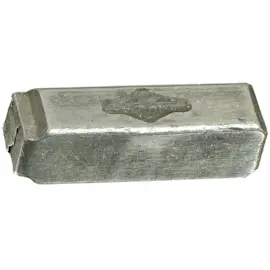
If you need the correct belt for this model, use the belt 532157769.
Quick checks if self-propel still will not pull
- Belt is on the wrong side of a belt guide or belt keeper.
- Belt is twisted or riding on the pulley flange.
- Idler/bracket is not applying tension (spring unhooked or misrouted).
- Drive wheels/pawls are worn or sticking (common on front-wheel drive systems).
What “good” looks like (belt fit and behavior)
| Check | Normal result | What it means if not normal |
|---|---|---|
| Belt seating | Fully in pulley grooves | Misrouting or wrong belt size |
| Belt twist | No twist anywhere | Belt will slip and wear fast |
| Drive engagement | Mower pulls when bar is held | Tension or routing issue |
Why it matters
Correct belt routing and tension prevents slipping, overheating, and premature wear; it also protects the transmission and helps the drive control bar feel consistent.
Last updated: January 2026
Is it cheaper to repair or replace a lawn mower?
For the Yard Pro model 96148002002, it’s usually cheaper to repair when the fix is a normal wear item (blade, belt, wheels) and the total repair cost stays under about 50% of the price of a comparable new mower. Replacing makes more sense when the engine or drive system needs major work or failures keep repeating.
Quick decision checklist (repair vs replace)
- Repair if the mower still starts reliably and the deck is solid (not rusted through)
- Repair if the issue is a wear part: blade, drive belt, wheel, springs, knobs
- Repair if you can fix it in under 1 to 2 hours with basic tools
- Replace if the engine has low compression, heavy smoking, or severe internal damage
- Replace if the drive system needs multiple major parts and performance is still poor
- Replace if you’ve had repeated breakdowns that interrupt mowing season
Common “repair” examples for this model
These are typical, cost-effective fixes on a walk-behind mower like the 96148002002:
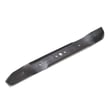
- Replace a worn blade: lawn mower 22-in deck mulching blade 532406713
- Replace a slipping self-propel belt: belt 532157769
- Fix poor drive traction or wobble: lawn mower wheel 581009202 or wheel.8x1.75 581009409
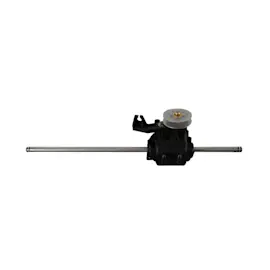
- Restore self-propel function when the drivetrain is worn: lawn mower transmission assembly 532415226
Cost comparison guide
| Situation | Typical best choice | Why |
|---|---|---|
| Routine maintenance or one worn part | Repair | Lowest cost, fastest turnaround |
| Several small issues at once | Repair (usually) | Bundling parts saves time and money |
| Major engine problem | Replace (often) | Engine labor and parts add up quickly |
| Drive system needs major work | Depends | Compare total parts cost to mower value |
Why it matters
A walk-behind mower is a simple machine; most problems are caused by normal wear. If you keep the blade sharp, replace worn drive parts early, and avoid running it with loose hardware, you can extend the mower’s useful life and avoid bigger failures.
Last updated: January 2026
What type of gas should I put in my lawn mower?
For the Yard Pro model 96148002002, we recommend using clean, fresh unleaded gasoline with a minimum 87 octane (87 AKI). Gasoline with up to 10% ethanol (E10) is typically acceptable for walk-behind mower engines; avoid old fuel and higher-ethanol blends.
Fuel recommendations for model 96148002002
Use these guidelines to reduce hard starting, surging, and carburetor varnish:
- Use fresh fuel (ideally less than 30 days old).
- Choose unleaded 87 octane (AKI) or higher.
- Use E10 or less (up to 10% ethanol).
- Avoid E15/E85 and any fuel labeled “flex fuel”.
- Keep the gas can clean and sealed to prevent water contamination.
Quick comparison: what to use vs. avoid
| Fuel type | OK for most small engines? | Notes |
|---|---|---|
| Unleaded 87 AKI (E0 or E10) | Yes | Best everyday choice for most mowers |
| Premium (91-93 AKI) | Usually unnecessary | Won’t fix performance issues by itself |
| E15 | No | Can cause running problems and fuel-system damage |
| E85 | No | Not compatible with small mower engines |
Storage tips (prevents most fuel problems)
If the mower will sit for more than a few weeks:
- Add a fuel stabilizer and run the engine a few minutes to circulate it.
- Store fuel in an approved container, away from heat.
- At season end, run the tank low or drain it (depending on your routine and conditions).
Why it matters
Old or high-ethanol gasoline can attract moisture and leave deposits that clog small passages in the fuel system. Using fresh 87-octane unleaded fuel helps your Yard Pro 96148002002 start easier and run smoother.
For help identifying the exact model label location when buying parts or supplies, use how to find your appliance model number (and what it means for parts).
Last updated: January 2026
Why has my self-propelled mower stopped propelling?
On the Yard Pro 96148002002 gas walk-behind mower, loss of self-propel usually comes from a loose or stretched drive control setup, a worn or broken drive belt, or debris and wear in the drive wheels or transmission. Start with cable/lever feel, then inspect the belt and wheel drive parts.
Quick checks we recommend first
- With the engine off, squeeze the drive control bar and confirm it moves smoothly and returns fully.
- Look for packed grass around the rear wheels and drive area; clean it out.
- Tip the mower safely (spark plug wire disconnected) and check for a belt that is off the pulleys, glazed, or broken.
- Spin each rear wheel by hand; a drive wheel that freewheels or clicks can point to worn pawls/gears.
- Check for loose fasteners at the handle brackets and control linkage.
Parts that commonly cause “no propel” on this model
If inspection shows wear or damage, these model-matched parts are common fixes:
- Belt 532157769 (drive belt kit): transfers power from the engine pulley to the drive system.
- Drive pawl 532404845: helps the drive wheel engage; wear can cause slipping or no drive.
- Lawn mower transmission assembly 532415226: internal wear can stop propulsion even if the belt is OK.
- Lawn mower drive control bar 532198453: if bent or not pulling the cable/linkage far enough, the drive may not engage.
How to narrow it down (symptom guide)
| What you notice | Most likely cause | What to check next |
|---|---|---|
| Drive works sometimes, slips under load | Belt slipping or tension issue | Belt condition and routing; spring tension |
| Engine runs, wheels never pull | Belt off/broken or transmission not engaging | Belt and pulleys; transmission input |
| Only one wheel drives | Wheel engagement parts worn or debris | Drive pawl and wheel hub area |
| Drive bar feels “loose” | Control linkage/cable not pulling enough | Bar/linkage movement; clamps/fasteners |
Why it matters
A slipping belt or partially engaged drive can overheat and wear pulleys, wheel drive parts, and the transmission faster. Catching it early often turns a bigger repair into a simple cleanout or belt replacement.
Last updated: January 2026