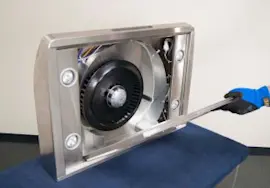
Owner’s manual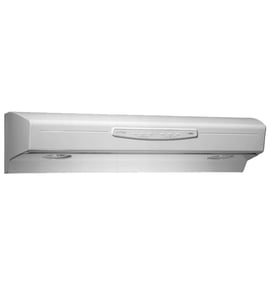



How do I know what model range hood I have?
To identify your Kenmore range hood model, find the rating label (model and serial tag) on the hood itself. On many hoods, it’s on the top of the hood, on the underside near the front edge, or behind the grease filter; compare what you find to the format shown in the 23352053003 owner's manual.
Where to look on a Kenmore range hood
Check these common label locations first:
- On the top of the hood (you may need a flashlight)
- On the underside of the hood near the light lens or control area
- Behind or beside the grease filter (remove the filter to look)
- Inside the hood cavity near the blower housing or wiring cover
- On a side wall inside the hood (visible after removing filters)
What to write down (and why)
Record the full model number and serial number exactly as printed; one missing digit can pull the wrong parts list.
| Label item | What it’s used for | Example format |
|---|---|---|
| Model number | Matches the correct parts diagram and manual | 23352053003 |
| Serial number | Helps confirm production series and revisions | Letters and numbers |
| Electrical rating | Confirms voltage and amps for safe replacement parts | 120V, amps |
Quick tips to avoid mix-ups
- Clean grease off the tag gently so every digit is readable.
- If the tag is behind the filter, reinstall the filter fully after checking.
- Match the entire model number, not just the first few digits.
- If your controls are missing or damaged, the model tag is still the best identifier.
Why it matters
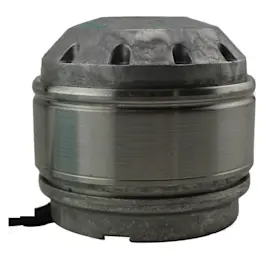
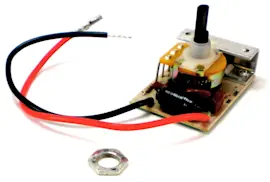
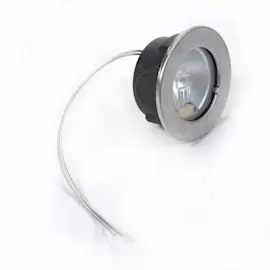
Kenmore range hood parts like a fan switch, light switch, motor, and filters can look similar across models. Using the exact model number helps ensure you get the correct fit and wiring style for your hood.
Last updated: January 2026
What is the life expectancy of a range hood?
A Kenmore range hood like model 23352053003 typically lasts 10 to 20 years, with about 15 years being a solid average for normal home cooking. The parts that most often shorten lifespan are the fan motor, switches, and filters; regular cleaning and timely part replacement help it reach the high end of that range.
Typical lifespan and what affects it
- Light-use kitchens (occasional cooking): often closer to 15 to 20 years
- Heavy-use kitchens (daily frying, high heat, lots of steam): often closer to 10 to 15 years
- Good ventilation setup (clear ducting, correct venting): reduces strain on the motor
- Routine filter care: keeps airflow strong and reduces heat buildup
Parts that most commonly limit range hood life
The moving and electrical parts wear first. For this Kenmore model, common wear items include:
- Fan motor: bearings wear, motor overheats, or starts humming
- Fan switch and light switch: contacts wear, causing intermittent operation
- Grease and charcoal filters: clogging reduces airflow and increases motor load
If you are maintaining or restoring airflow, the range hood grease filter S99010316 and range hood charcoal filter S99010317 are the first items we check.
Quick “replace vs. repair” guide
| Symptom | Most likely cause | Best next step |
|---|---|---|
| Fan runs but weak suction | Clogged filter or restricted duct | Clean/replace filter; inspect duct |
| Fan will not run | Failed motor or fan switch | Test switch; replace motor if needed |
| Fan is noisy or rattling | Grease buildup, loose parts, worn motor | Clean; tighten; replace motor if loud |
| Lights or fan intermittent | Worn switch | Replace the switch |
For model-specific diagrams and disassembly notes, use the 23352053003 owner’s manual.
Why it matters
A range hood that is kept clean and moving air properly protects cabinets and walls from grease, reduces cooking odors, and prevents the fan motor from running hot and wearing out early.
Last updated: January 2026
Is 250 cfm enough for a range hood?
For a Kenmore range hood like model 23352053003, 250 CFM is enough for many 30-inch electric or induction cooktops used for everyday cooking. If you do frequent high-heat searing, wok cooking, or heavy frying, a higher CFM (and good ducting) typically performs better. Check the exact airflow and venting requirements in the 23352053003 owner’s manual.
Quick sizing rule of thumb
A common guideline for electric or induction cooking is:
- Plan about 100 CFM per linear foot of cooktop width
- A 30-inch cooktop is 2.5 feet wide
- 2.5 × 100 CFM = 250 CFM (a practical minimum target)
When 250 CFM is enough (and when it is not)
250 CFM is usually enough if:
- You have an electric or induction cooktop
- You mostly simmer, boil, and do light to moderate sautéing
- Your duct run is short and smooth (or you are using recirculation with filters)
Consider higher CFM if:
- You do frequent frying, grilling, or high-heat searing
- Smoke and odors linger even with clean filters
- Your duct run is long, has multiple elbows, or uses undersized ducting
Performance factors that matter as much as CFM
| Factor | What to aim for | Why it matters |
|---|---|---|
| Hood width | Same width as cooktop (or wider) | Captures more smoke before it spreads |
| Mounting height | Follow the manual | Too high reduces capture |
| Ducting | Smooth, properly sized, minimal elbows | Reduces airflow losses |
| Filters | Clean grease filter; replace charcoal filter if recirculating | Clogged filters cut performance |
Parts that can improve airflow and odor control
If airflow seems weak, start with maintenance items:
- Clean the grease filter regularly
- Replace the charcoal filter on recirculating setups: range hood charcoal filter S99010317
- Inspect the duct path for restrictions and backdraft damper issues
Why it matters
Right-sizing CFM helps your hood actually capture smoke and grease, keeps cabinets cleaner, and reduces lingering cooking odors. Even a strong motor cannot overcome blocked filters or poor duct design.
Last updated: January 2026
How do I know what size hood vent I need?
For Kenmore range hood model 23352053003, choose a hood and venting setup that matches (or slightly exceeds) your cooktop width and the hood’s duct outlet size. Most installations use a duct size specified by the manufacturer, so confirm the exact outlet and recommended ducting in the 23352053003 owner's manual.
How to size the hood itself (width)
A good fit starts with hood width, then you match ducting to the hood’s outlet.
- Measure the cooktop or range width (commonly 24, 30, or 36 inches)
- Pick a hood that is at least the same width as the cooking surface
- For better capture, many kitchens do best with a hood about 3 inches wider per side (about 6 inches wider total)
- If you do a lot of high-heat cooking, prioritize capture area and airflow over a minimal-width hood
How to size the vent duct (diameter and type)
Your duct size should match the hood’s outlet and stay consistent to keep airflow strong.
- Match the duct diameter to the hood’s outlet (do not reduce duct size)
- Keep the duct run as short and straight as possible
- Use smooth metal ducting when possible (it moves air better than corrugated)
- Seal joints with foil HVAC tape (not standard cloth duct tape)
- Confirm whether your setup is vertical or rear discharge before buying duct parts
Common ducting parts you may see for this model
| Part | What it helps with | When you need it |
|---|---|---|
| Range hood vent duct, 6-in 406 | Connects the hood to the home duct run | When your hood outlet and home ducting are 6-inch round |
| Range hood vent transition S412H | Adapts the hood outlet to a specific duct shape/size | When the hood outlet and your duct type do not match |
| Range hood charcoal filter S99010317 | Filters air for recirculating (ductless) setups | When you are not venting outdoors |
Why it matters
Correct hood width improves smoke and grease capture, and correct duct sizing prevents weak airflow, extra noise, and grease buildup in the duct. A properly matched duct run also helps the fan motor last longer.
Quick checklist before you buy
- Measure cooktop width and cabinet space
- Confirm venting method: outside vented or recirculating
- Verify outlet direction: top or rear discharge
- Verify outlet size and recommended ducting in the 23352053003 owner's manual
Last updated: January 2026