


How big of an AC unit is needed for a 2000 sq ft house?
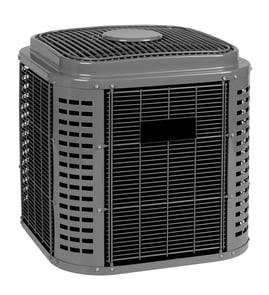
For a 2,000 sq ft house, most homes need a 3 to 4 ton central air conditioner (about 36,000 to 48,000 BTU/hr). For an Icp CA5524VKD1 system, the correct size is set by a load calculation that accounts for climate, insulation, windows, and ductwork.
- 1 ton = 12,000 BTU/hr of cooling capacity
- Many 2,000 sq ft homes land in the 36,000 to 48,000 BTU/hr range
- Better insulation and tighter construction usually size lower and run longer
- Poor insulation, lots of sun exposure, or leaky ducts usually size higher
| Capacity | Tons | Typical fit for 2,000 sq ft |
|---|---|---|
| 36,000 BTU/hr | 3.0 | Mild climate, good insulation |
| 42,000 BTU/hr | 3.5 | Average conditions |
| 48,000 BTU/hr | 4.0 | Hot climate, higher heat gain |
Oversizing causes short cycling (frequent on and off). That reduces humidity removal, increases temperature swings, and adds electrical wear on components such as the fan motor 1086598.
- Duct leaks, restrictions, and supply return sizing
- Filter condition and indoor coil cleanliness (airflow drives capacity)
- Attic insulation and air sealing
- Window area and sun exposure (especially west facing glass)
- Run time pattern: steady runs cool better than rapid cycling
Correct sizing improves comfort and humidity control, lowers energy use, and helps your Icp CA5524VKD1 central air conditioner run with less stress on key parts.
Last updated: February 2026
What is the average cost to replace a central AC unit?
Replacing a central AC unit like the Icp CA5524VKD1 typically costs about $6,000 on average, with many full replacements falling in a broad $1,500 to $12,500 range depending on system size, efficiency rating, ductwork condition, and local labor rates.
- System size and sizing work: Proper load calculation and matching capacity to the home.
- Efficiency level (SEER2): Higher efficiency equipment costs more up front.
- Ductwork condition: Sealing, repairs, or resizing adds labor and materials.
- Electrical updates: Disconnect, whip, breaker sizing, and condenser pad work.
- Refrigerant line set work: Flushing, replacing, or resizing the line set.
- Permits and inspections: Often required for a full changeout.
| Scenario | Usually includes | Typical cost impact |
|---|---|---|
| Outdoor unit only | Condenser swap, basic startup | Lower (only when compatible) |
| Full system (AC + coil) | Condenser + indoor coil, refrigerant work | Medium to higher |
| Full system + ductwork | Equipment + duct modifications or replacement | Highest |
- Get a load calculation so the new unit is sized correctly.
- Ask for a written scope listing ductwork, electrical, and refrigerant line items.
- Keep airflow and the outdoor coil clean to protect the compressor and efficiency.
Some repairs cost far less than replacement. Common service parts for this model include the fan motor 1086598 and the blade 1085958.
Central AC replacement is priced as a complete comfort system, not just the outdoor unit. Correct sizing and solid installation practices protect efficiency, humidity control, and long-term reliability.
Last updated: February 2026
What is the average lifespan of a central air conditioning unit?
Most central air conditioning units last 15 to 20 years. For an Icp CA5524VKD1 central air conditioner, lifespan is driven by outdoor coil cleanliness, correct airflow, solid electrical connections, and how hard the system runs each season.
- 15 to 20 years: Standard for modern central AC systems
- 10 to 12 years: Heavy run time, poor maintenance, coastal corrosion, or frequent power issues
- 20+ years: Achieved with consistent maintenance and mild operating conditions
| Factor that shortens life | What you can do | What you may notice |
|---|---|---|
| Dirty condenser coil | Keep the outdoor coil clean and clear of debris | Higher bills, reduced cooling |
| Weak electrical switching | Tighten/repair connections; replace worn controls | Clicking, chattering, intermittent starts |
| Failing condenser fan | Correct airflow issues; replace worn fan parts | Overheating, shutdowns, loud fan |
| Refrigerant leaks | Repair leaks and recharge correctly | Ice on lines, weak cooling |
- Repairs becoming frequent in the same cooling season
- Short cycling (starts and stops often)
- Outdoor unit runs hot or shuts off on overload
- Cooling performance drops even after cleaning and filter changes
- Corrosion or physical damage on the outdoor cabinet or coil
These are common wear items that affect starting and airflow on many central AC units.
- No start or intermittent start: Fan motor 1086598 (condenser fan motor issues can prevent proper cooling and cause shutdowns)
- Noisy fan or poor airflow: Blade 1085958 (condenser fan blade damage or imbalance can reduce airflow and stress the system)
Once a central AC is in the 15 to 20 year range, restoring reliable airflow and electrical operation helps prevent overheating and compressor stress, and it helps you decide whether repair or replacement makes the most sense.
Last updated: February 2026