Error Codes




What is the most common problem with a GE dryer?
For a GE electric dryer like model GTD45EASJ3WS, the most common problems are no heat or poor drying caused by restricted airflow (lint buildup or a clogged vent) or a failed heating component such as the heating element or thermostats.
Most common symptoms we see
- Dryer runs but clothes stay damp (long dry times)
- Dryer runs but has no heat at all
- Dryer shuts off mid-cycle (overheating protection)
- Burning smell or unusually hot cabinet
- Weak airflow at the outside vent hood
What to check first (fast, no parts)
- Clean the lint screen and confirm it is not coated with fabric softener residue.
- Check airflow: with the dryer running, you should feel a strong, steady exhaust outside.
- Inspect the vent path for kinks, crushed flex duct, or heavy lint buildup.
- Verify power: many electric dryers can tumble on 120V but need full 240V to heat.
- If airflow and power are good, move to heating system checks.
Parts that commonly fix “no heat” on this model
If your GTD45EASJ3WS tumbles but will not heat, these are the most common repair parts to test/replace:
| Problem pattern | Common suspect | Example part on this model |
|---|---|---|
| No heat, good airflow | Heating element open | Dryer heating element WE11M10001 |
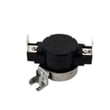
| Heats briefly then stops | High-limit thermostat tripping | Dryer high-limit thermostat WE04X26139 |
| Low or inconsistent heat | Operating thermostat out of range | Dryer operating thermostat WE04X25201 |
Why it matters
Airflow problems can overheat the heater housing and trip safety thermostats, which leads to no-heat complaints and longer dry times. Fixing venting and lint buildup first helps the dryer heat correctly and protects major components.
Last updated: February 2026
What's the life expectancy of a GE dryer?
Most GE dryers, including the GE GTD45EASJ3WS electric dryer, typically last about 10 to 13 years with normal household use. Regular vent cleaning, not overloading the drum, and replacing worn wear-items early are the biggest factors in reaching the high end of that range.
Typical lifespan and what affects it
A dryer’s life is mostly determined by heat stress, airflow restriction, and mechanical wear (drum support and drive system).
- Vent and lint buildup (most common life-shortener)
- Overloading (stresses the motor, belt, and drum supports)
- High heat cycles used constantly (more thermal wear)
- Worn drum supports (glides and bearings) causing drag and noise
- Delayed repairs after squealing, thumping, or long dry times
Parts that commonly wear first on GTD45EASJ3WS
If your dryer is still heating but getting noisy or taking longer to dry, these are common maintenance-type replacements.
- Dryer drum glide bearing, upper WE03X37320 (reduces drum friction at the front)
- Dryer drum glide bearing WE03X37319 (supports smooth drum rotation)
- Dryer idler pulley WE03X31620 (keeps proper tension on the drive belt)
- GE dryer lint screen WE03X23881 (helps maintain airflow when the original is damaged)
Quick “is it aging normally?” checklist
Use this to decide whether you are seeing normal wear or a problem that will shorten lifespan.
| Symptom | Most likely cause | What to do first |
|---|---|---|
| Long dry times | Restricted airflow, lint blockage | Clean lint screen, check vent path, clear lint chute |
| Squealing or scraping | Worn glides or pulley | Inspect drum supports; replace worn parts |
| No heat but drum turns | Heater or thermostat issue | Check heating circuit components |
| Won’t start | Start switch, timer, door switch, power | Verify power, then test controls |
Why it matters
A dryer that runs with poor airflow or high friction runs hotter and longer; that increases wear on the heating system, motor, and drum supports. Fixing airflow issues and small wear parts early often adds years of reliable service.
For cleaning and upkeep habits that extend dryer life, follow the steps in how to clean and maintain your clothes dryer.
Last updated: February 2026
Is GE Profile considered high end?
GE Profile is generally considered GE’s higher-end mainstream line: it typically offers more features, upgraded styling, and more electronic controls than basic GE models, but it is not positioned as GE’s top luxury tier. For your GE GTD45EASJ3WS electric dryer, “Profile” vs “GE” matters most when comparing features and control complexity, not basic fit of common wear parts.
How GE Profile typically compares to standard GE
In most product categories, GE Profile models tend to include more premium options such as additional cycles, more sensors, and more advanced user interfaces.
- More feature-rich cycle selections and options
- More sensors and electronic controls (more diagnostics)
- More premium finishes and design details
- Higher typical price point than basic GE
- Similar core maintenance needs (lint, venting, drum support)
What this means for parts and repairs on GTD45EASJ3WS
Even if your dryer is not branded “Profile,” many repair decisions come down to the same core systems: heat, airflow, drum support, and controls. If you are troubleshooting performance, these common parts and areas are often involved.
| Symptom | Common system to check | Example part on this model page |
|---|---|---|
| No heat or weak heat | Heating circuit, thermostats | Dryer heating element WE11M10001 |
| Long dry times | Airflow, lint path, venting | Dryer lint chute assembly WE01X24546 |
| Squealing or scraping | Drum support and bearings | Dryer drum glide bearing WE03X37319 |
| Won’t start or intermittent start | Start switch, timer/control | Dryer power and start button WE04X24719 |
Why it matters
Higher-end lines like GE Profile often use more sensors and electronics, which can change troubleshooting steps and increase the importance of correct diagnosis. For any GE dryer, keeping airflow clear and replacing worn drum support parts prevents overheating, noise, and premature component wear.
For diagnostic-style issues (especially on models with more electronic controls), we use error code resources such as GE cleanspeak dryer error codes.
Last updated: February 2026