Owner’s manual
 View engine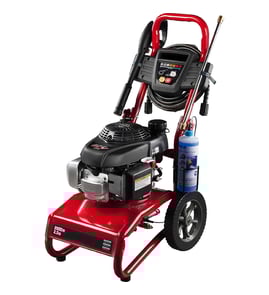




Can you use 87 gas in a pressure washer?
Yes. For the Craftsman 580752190 gas pressure washer, we recommend clean, fresh regular unleaded gasoline with a minimum of 87 octane (87 AKI). Gasoline with up to 10% ethanol is acceptable; do not use E85 or mix oil into the gas. See the fuel section in the 580752190 operator’s manual.
Fuel guidelines for this model
- Use regular unleaded gasoline, 87 octane minimum.
- Up to 10% ethanol (E10) is acceptable.
- Up to 15% MTBE is acceptable.
- Do not use E85 or other unapproved fuels.
- Do not mix 2-cycle oil into the gasoline.
- Leave room in the tank for fuel expansion when filling.
Ethanol fuel tips (to prevent hard starting and carb issues)
Ethanol-blended fuel can absorb moisture during storage. For best results, we recommend:
- Buy fuel you can use up within about 30 days.
- Add fuel stabilizer when you fill the tank if the washer may sit.
- Store the unit with treated fuel, or run the engine dry for longer storage.
- Keep the fuel cap tight and store fuel in an approved container.
Quick reference table
| Fuel type | OK for 580752190? | Notes |
|---|---|---|
| 87 octane regular unleaded | Yes | Minimum recommended octane |
| 89 or 91 octane (premium) | Yes | Not required, but acceptable |
| E10 (up to 10% ethanol) | Yes | Use fresh fuel; stabilize for storage |
| E85 | No | Not approved for this engine |
Why it matters
Using the correct fuel helps the engine start easier, run smoother under load, and reduces fuel-system deposits that can lead to poor performance after storage.
Last updated: January 2026
Is Craftsman a good pressure washer?
Craftsman pressure washers, including model 580752190, are a solid choice for typical homeowner cleaning when they’re maintained and used correctly. This model is rated up to 2,550 PSI and 2.3 GPM, which is enough for decks, siding, and driveways when paired with the right spray tip and detergent.
What “good” means for model 580752190
For this specific Craftsman gas pressure washer, “good” usually comes down to matching the job to the machine and keeping up with routine checks described in the 580752190 operator’s manual.
- Strong cleaning performance for most home tasks (general rinsing, mildew, grime)
- Multiple quick-connect spray tips for different surfaces
- Gas engine power for portability (no cord limits)
- Best results when you keep the water inlet screen clean and avoid running the pump without water
Common issues we see (and how to prevent them)
Many complaints about “quality” trace back to wear items, clogged nozzles, or hose problems rather than the frame itself.
- Weak or pulsing spray: often a clogged spray tip; clean the nozzle and backflush the wand
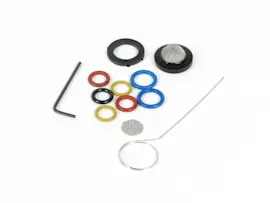
- Leaks at connections: usually worn O-rings or loose fittings; replace seals instead of using sealant
- Hose damage or kinks: replace a worn high-pressure hose rather than patching it
- Detergent not siphoning: detergent only works with the low-pressure (black) tip and correct siphon setup
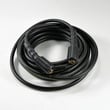
If your hose is damaged, replacing it with the correct part helps restore safe pressure and flow; see pressure washer hose 84006753.
Quick spec check (helps set expectations)
| Spec | Model 580752190 |
|---|---|
| Max outlet pressure | 2,550 PSI |
| Max flow rate | 2.3 GPM |
| Water supply temp limit | Cold water only (under 100°F) |
Why it matters
A pressure washer can feel “bad” if the spray tip is wrong, the inlet screen is restricted, or the hose/nozzle is worn. Keeping flow steady protects the pump and helps you get the cleaning power you paid for.
For deeper troubleshooting steps, we recommend solving pressure washer problems.
Last updated: January 2026
Is a 3000 psi pressure washer good?
Yes; 3000 PSI is a strong, versatile pressure level for many homeowner cleaning jobs. For the Craftsman 580752190 specifically, the specifications list a maximum outlet pressure of 2,550 PSI and a maximum flow rate of 2.3 GPM, which is about 15% lower than 3000 PSI but still very capable for residential cleaning (see the 580752190 operator's manual).
How 3000 PSI compares to the Craftsman 580752190
A 3000 PSI unit gives you more peak impact for stubborn grime and faster stripping, but the 580752190 is still well-matched to common home tasks when you use the right spray tip and keep proper distance.
| Cleaning task | Typical PSI range | Fit for 580752190 (2,550 PSI max) |
|---|---|---|
| Vehicles, patio furniture | 1,200 to 2,000 | Excellent |
| Siding, decks, concrete | 2,000 to 3,000 | Very good |
| Heavy stripping, frequent commercial use | 3,000+ | Better with a higher-rated unit |
What matters as much as PSI
Cleaning performance is a combination of pressure, flow, and technique.
- GPM affects how quickly you rinse and how fast you finish
- Spray tip angle controls impact (0° is most aggressive)
- Distance from the surface changes effective pressure quickly
- Hose length, kinks, and leaks can reduce performance
- Detergent application uses the low-pressure (black) tip, not high-pressure tips
When a replacement nozzle helps
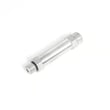
If the spray pattern is uneven, the stream “fans” incorrectly, or pressure pulses after you clean the tip, replacing the nozzle can restore performance. A compatible replacement option is the pressure washer spray nozzle 195983XGS.
Why it matters
Using a pressure level that matches the job helps you clean efficiently while reducing the chance of damaging wood, paint, window seals, and other surfaces.
Last updated: January 2026
Is it worth repairing a pressure washer?
Yes, repairing a pressure washer is usually worth it when the fix is a common wear item (hose, nozzle, seals) and the engine and pump on your Craftsman 580752190 are still in good shape; if the pump or engine has major internal damage, replacement often makes more sense.
Quick decision checklist
- The unit starts easily and runs smoothly (no knocking, heavy smoke, or stalling).
- The pump still builds pressure but performance is inconsistent (often a nozzle, air leak, or inlet issue).
- The repair is a bolt-on part swap (hose, spray nozzle, outlet tube) rather than a full pump/engine overhaul.
- You can confirm the correct procedure and safety steps in the 580752190 operator's manual.
- You use it enough that a small repair saves time versus shopping for a new unit.
Common “worth it” repairs on this model
These are typical fixes that restore performance without major teardown:
- Replace a damaged high-pressure hose: pressure washer hose 84006753.
- Replace a worn or clogged spray nozzle (especially if spray pattern is uneven): pressure washer spray nozzle 195983XGS.
- Inspect and correct leaks at fittings; worn seals and O-rings are frequent culprits.
- Clean the water inlet screen and verify a strong water supply (restricted inlet can mimic pump failure).
Repair vs. replace: practical comparison
| What you’re seeing | Most likely path | Why |
|---|---|---|
| Weak spray, pulsing, or uneven fan pattern | Repair first | Often nozzle restriction, air in system, or inlet screen debris |
| Hose leaks, bulges, or damaged couplers | Repair first | Hose replacement is straightforward and restores safe operation |
| Engine runs poorly even after basic maintenance | Depends | Could be tune-up level, or could indicate deeper engine wear |
| No pressure plus abnormal pump noise or water in oil | Replace/major repair | Points to internal pump damage that can exceed the unit’s value |
Why it matters
A pressure washer like the Craftsman 580752190 is rated for strong cleaning performance, so small flow restrictions or leaks can cause big pressure loss. Fixing the simple items first prevents unnecessary pump or engine replacement and helps you avoid downtime.
Last updated: January 2026
Is it worth replacing the pump on a pressure washer?
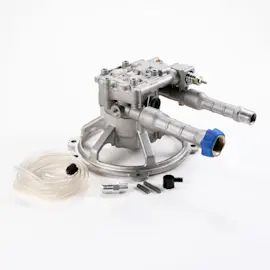
For the Craftsman 580752190 pressure washer, replacing the pump is usually worth it when the engine runs strong and the rest of the unit is in good shape; it is often not worth it when the pump is the sealed, non-serviceable style or when multiple other components are worn. Use the Craftsman 580752190 operator's manual to confirm pump type and troubleshooting steps before you buy parts.
Quick decision checklist
- The engine starts easily, runs smoothly, and holds RPM under load.
- You have good water supply (cold water, adequate flow) and the inlet screen is clean.
- Symptoms point to the pump (low pressure, pulsing, water leaks at pump) after nozzle and hose checks.
- The repair cost (pump plus time) is under about half the cost of a comparable new gas pressure washer.
- You want to keep the same frame, hose setup, and accessories.
What we can confirm for this model
The Craftsman 580752190 manual indicates the pump is factory pre-lubricated and sealed, with no pump oil maintenance required. That typically means the pump is treated as a replaceable assembly rather than a rebuildable pump with routine oil changes. Use the Craftsman 580752190 operator's manual maintenance section to verify what service is and is not intended for the pump.
Rule-of-thumb cost comparison
| Situation | Usually worth replacing the pump? | Why |
|---|---|---|
| Engine is strong; pressure is weak/pulsing after nozzle checks | Yes | Pump is the likely failure point |
| Pump leaks badly; hose/nozzle are OK | Often | A new pump can restore performance |
| Engine is hard to start, surges, smokes, or lacks power | Usually no | You may be chasing multiple repairs |
| Unit is heavily corroded; hoses/fittings also failing | Usually no | Total repair cost climbs fast |
Before you decide, check these common “not the pump” causes
- Clogged or worn spray tip; consider replacing the pressure washer spray nozzle 195983XGS.
- Kinked, leaking, or internally damaged hose; inspect or replace the pressure washer hose 84006753.
- Dirty water inlet screen or restricted garden hose supply.
- Air trapped in the system; purge by running water and squeezing the trigger before starting.
Why it matters
A pump swap can be a smart, fast way to restore pressure and extend the life of a good engine. But if the engine or multiple wear items are failing, replacing the whole pressure washer often saves time and avoids repeat downtime.
Last updated: January 2026
What is the most common cause of a pressure washer going faulty?
For the Craftsman 580752190 gas pressure washer, the most common “faulty” complaint we see is loss of pressure or erratic pressure caused by a restriction or leak in the high-pressure water path, especially a clogged spray tip/nozzle or a leaking hose connection. Use the troubleshooting and maintenance steps in the 580752190 operator’s manual to confirm the cause.
Quick checks we recommend first
- Turn the engine off, turn the water off, then squeeze the trigger to relieve pressure.
- Inspect the high-pressure hose for cuts, bulges, or wet fittings; replace a damaged hose.
- Remove the spray tip and clean it; debris in the tip is a top cause of pulsing and low pressure.
- Check the water inlet screen for debris; a restricted inlet can starve the pump.
- Verify the garden hose supply is strong and steady before starting.
Most common causes (ranked)
- Clogged spray tip/nozzle (causes pulsing, weak spray, “surging”).
- High-pressure hose leak or internal hose damage (pressure drops under load).
- Air in the pump or restricted water inlet screen (inconsistent pressure).
- Spray gun or connection leak (drips at the gun, wand, or quick-connect).
Parts that often solve the problem
If cleaning does not restore performance, these model-compatible parts are common fixes:
| Symptom | What to inspect | Example compatible part |
|---|---|---|
| Weak spray or pulsing | Spray tip/nozzle clogged or worn | Pressure washer spray nozzle 195983XGS |
| Pressure drops, visible leaks | Hose damage or leaking couplers | Pressure washer hose 84006753 |
Why it matters
Running the Craftsman 580752190 with restricted flow or leaks can make the pump work harder, reduce cleaning power, and lead to overheating. Fixing the nozzle, hose, and inlet flow issues first prevents unnecessary pump or engine repairs.
For deeper symptom-based troubleshooting, we also use solving pressure washer problems as a step-by-step guide.
Last updated: January 2026
Why won't my Craftsman pressure washer build pressure?
On Craftsman model 580752190, a no-pressure or low-pressure problem is most often caused by a clogged spray tip, air trapped in the pump, a restricted water supply (inlet screen or hose), or a leak on the high-pressure side. We recommend starting with the quick checks in the 580752190 operator’s manual.
Quick checks (fastest fixes first)
- Turn water ON first, then squeeze the trigger to purge air before starting the engine.
- Verify you are using a high-pressure spray tip (not the black detergent tip).
- Clean the spray tip and backflush the wand; a partially clogged tip can cause weak spray or pulsing.
- Inspect the water inlet screen at the pump inlet; clean or replace if torn.
- Confirm the garden hose is 50 ft or less, not kinked, and supplying strong flow.
- Check for leaks at the gun, hose couplers, and pump outlet.
Step-by-step: restore pressure safely
- Shut off engine and water.
- Point the spray gun in a safe direction; press the red button and squeeze the trigger to relieve pressure.
- Remove the spray tip and clear debris (a small wire/paper clip works well).
- Backflush the spray tip extension with a garden hose for 30 to 60 seconds.
- Reconnect, turn water on, purge air at the gun, then restart and test.
Parts that commonly cause low pressure on this model
If cleaning and purging do not help, inspect these wear items and replace as needed:
| Symptom | Most likely area | What to check next |
|---|---|---|
| Weak spray with any tip | Spray tip/nozzle | Replace the nozzle if worn: pressure washer spray nozzle 195983XGS |
| Pressure drops under load | High-pressure hose/couplers | Look for bulges, cuts, or seepage; replace hose: pressure washer hose 84006753 |
| Pressure surges (pulsing) | Tip restriction or air in pump | Re-clean tip; re-purge air; verify inlet screen and water supply |
Why it matters
Running the pump with restricted flow, trapped air, or leaks can overheat the pump and reduce cleaning performance. Getting full pressure back also helps the unloader and thermal relief system operate normally.
Related DIY help
For more symptom-based troubleshooting, use solving pressure washer problems.
Last updated: January 2026