View engine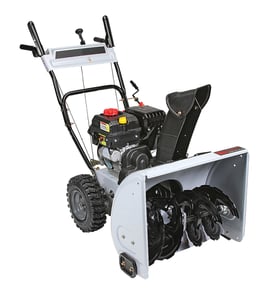



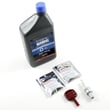
Should I use 87 or 91 for snowblower?
For the Craftsman snow thrower model 536881111, we use fresh 87-octane (regular) gasoline for normal operation. Moving up to 91 octane does not improve power or reliability in typical snowblower engines; fuel freshness and storage practices matter more.
What to use (and what to avoid)
- Use unleaded gasoline, 87 octane minimum.
- Use fresh fuel (best within about 30 days unless stabilized).
- Add fuel stabilizer if the snowblower will sit more than a few weeks.
- Avoid old fuel, which can cause hard starting, surging, and stalling.
- Avoid overfilling; leave a little expansion space in the tank.
Quick comparison: 87 vs 91
| Fuel choice | When it makes sense | What you will notice |
|---|---|---|
| 87 octane (regular) | Everyday snow clearing | Normal starting and power |
| 91 octane (premium) | Only if your engine specifically requires it | Typically no change in performance |
Storage tips that prevent most fuel problems
Fuel issues are the most common reason a snowblower will not start after sitting. We recommend:
- End of season: run the engine long enough to pull stabilized fuel into the carburetor.
- Long storage: shut off the fuel valve (if equipped) and run until it stalls.
- Next season: drain and replace questionable fuel before troubleshooting anything else.
Why it matters
Using the right fuel helps prevent varnish and gum buildup in the carburetor and fuel system. That reduces hard-start complaints and helps the engine run smoothly under load when the auger is engaged.
Related DIY help
If you are chasing a fuel-related no-start or rough-run symptom, we recommend starting with how to check a snowblower spark plug video before replacing parts.
Last updated: January 2026
How do I tell what year my snowblower is?
To tell the year on a Craftsman snow thrower model 536881111, we match the model and date information on the ID tag (and sometimes the engine tag) to a build date format; many units use a numeric date code where the first digit is the year within a decade and the remaining digits are the day of the year.
Where to look for the date information
Check these common locations for an ID tag or stamped code:
- On the rear of the frame near the handles
- On the side of the auger housing
- Near the belt cover or traction drive area
- On the engine shroud (engine model and code are often separate from the snowblower model)
- On the underside of the control panel
How to decode a typical date code
A common format is a 4-digit code like 5240:
- First digit = year within the decade
- Last three digits = day of the year (001 to 365)
Example
If the code is 5240, that means:
- Year digit =
5 - Day-of-year =
240
That corresponds to the 240th day of a year ending in 5.
| Code example | Year digit | Day of year | What it tells you |
|---|---|---|---|
| 5240 | 5 | 240 | Built on the 240th day of a year ending in 5 |
How to narrow down the exact year (1995 vs 2005 vs 2015)
Because the first digit is usually within a decade, we use one of these tie-breakers:
- Compare the snowblower’s features (headlight, chute control style, dash panel) to parts used on that era
- Use the engine code (often includes a full year) to confirm the timeframe
- Check whether key wear items match the parts used on this model, such as the snowblower drive belt 1733324SM
Why it matters
Knowing the build year helps us pick the correct Craftsman parts (belts, chute components, friction drive parts) and avoid ordering look-alike parts that do not fit your exact configuration.
Last updated: January 2026
What is the typical lifespan of a gas snowblower?
A typical gas snowblower, including Craftsman model 536881111, lasts 10 to 15 years with normal seasonal use and consistent maintenance. Regular oil changes, fresh fuel practices, and timely belt and friction-drive service are what keep performance strong over the long run.
What most affects lifespan
- Maintenance frequency: annual tune-ups and in-season checks prevent wear from compounding.
- Fuel habits: old fuel and varnish buildup shorten carburetor and starting-system life.
- Drive system condition: worn belts, idlers, and friction components cause slipping and overheating.
- Storage conditions: moisture and salt exposure accelerate rust and cable seizure.
- Snow load: heavy, wet snow and frequent full-width cuts increase stress on auger and drive.
Maintenance schedule that helps you reach 10 to 15 years
| When | What to do | Why it matters |
|---|---|---|
| Every use | Clear packed snow, inspect shear pins and belts | Prevents jams and sudden belt damage |
| Mid-season | Check belt tension and drive engagement | Reduces slipping and premature wear |
| End of season | Drain or stabilize fuel, change oil, clean and dry | Prevents carburetor issues and corrosion |
| Annually | Spark plug check, lubrication, fastener inspection | Keeps starting and controls reliable |
Parts that commonly limit “real-world” lifespan
If the snowblower still starts well but stops moving or throwing strongly, these wear items are often the reason:
- Snowblower drive belt 1733324SM (ground drive slipping or no forward motion)
- Snowblower gas belt 585416MA (auger/impeller not throwing well)
- Idler pulley 1502120MA (belt squeal, poor tension, uneven engagement)
Why it matters
A gas snowblower usually gets replaced because it becomes unreliable, not because the engine is “worn out.” Keeping the drive and auger systems adjusted and the fuel system clean typically costs far less than replacing the entire machine.
For step-by-step maintenance help, use how to make your snowblower last longer.
Last updated: January 2026
What are common gas snow blower problems?
Common problems on a Craftsman gas snow thrower like model 536881111 include no-start conditions from stale fuel or a dirty carburetor, weak snow-throwing from belt or auger issues, and drive problems that stop the unit from moving. Most fixes start with fuel, spark, and belt inspection.
Quick symptoms and the most likely causes
- Engine will not start: old fuel, clogged carburetor, fouled spark plug, ignition issue
- Starts but runs rough or surges: partially clogged carburetor, water in fuel, restricted fuel flow
- Auger or impeller will not spin: broken or loose auger belt, jammed auger, clutch/cable out of adjustment
- Snow throws weakly: worn auger belt, chute packed with snow, low engine power
- Unit will not drive: worn drive belt, idler/pulley problem, drive control out of adjustment
What we recommend checking first (fast, high-impact)
- Fuel: drain old gas, refill with fresh fuel; if it sat all off-season, treat fuel with stabilizer.
- Spark: remove and inspect the spark plug; replace if fouled or damaged.
- Belts and engagement: with the engine off, check belt condition and tension; glazing, cracking, or slack points to replacement.
Helpful DIY guides
Parts that commonly solve drive and auger complaints
If the engine runs but the machine will not move or will not throw snow well, the belts are frequent wear items.
| Symptom | Common wear item | Example part for this model |
|---|---|---|
| Will not drive or slips under load | Ground drive belt | Snowblower drive belt 1733324SM |
| Auger will not engage or throws weakly | Auger drive belt | Snowblower gas belt 585416MA |
| Belt will not stay tight | Idler pulley/arm issue | Idler pulley 1502120MA |
Why it matters
Gas snowblowers depend on clean fuel delivery and solid belt-driven power transfer. A small fuel restriction can prevent starting, and a slightly worn belt can make the auger or wheels slip, especially in heavy, wet snow.
Last updated: January 2026