


What are signs of a failing AC outdoor unit?
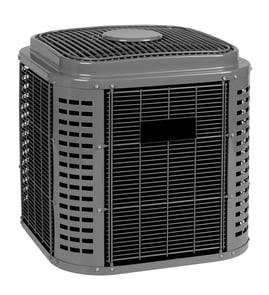
Common signs your Icp central air conditioner outdoor unit (model CA5036QKA1) is failing include weak cooling, the condenser fan not running, frequent breaker trips, and loud buzzing or grinding. Many of these symptoms trace back to electrical parts like the capacitor 12986 or a condenser fan motor.
Quick symptoms checklist
- Indoor air feels warmer or humidity stays high even with the thermostat calling for cooling
- Outdoor unit hums but the fan does not spin, or the fan starts slowly
- Outdoor unit clicks repeatedly (short cycling) or runs briefly then shuts off
- Breaker or disconnect trips, or you smell hot electrical odor near the condenser
- Unusual noises: buzzing (electrical), rattling (loose panels), grinding (motor bearings)
What to check first (safe, homeowner-level)
- Thermostat and power: Confirm the thermostat is set to cool and the outdoor disconnect is on.
- Airflow: Clear leaves and debris around the condenser; keep at least 24 inches of clearance.
- Filter and vents: A clogged indoor air filter can mimic an outdoor unit problem.
- Listen and look: Note whether the condenser fan spins, and whether the contactor pulls in when cooling is requested.
Symptom-to-likely-cause guide
| What you notice | Common cause | Typical next step |
|---|---|---|
| Fan not spinning, unit humming | Weak/run capacitor, failed fan motor | Test capacitor; inspect motor wiring |
| Loud buzzing or chattering | Worn contactor, low voltage | Inspect/replace contactor |
| Trips breaker on startup | Shorted capacitor, failing motor, wiring issue | Electrical testing before restarting |
| Cooling is weak but unit runs | Dirty coil, low refrigerant, airflow restriction | Clean coil; have refrigerant checked |
Parts that commonly fail in the outdoor unit
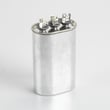
- Run capacitor: Helps start and run the fan motor and compressor; a weak capacitor can cause humming and no-start conditions.
- Contactor: Switches high voltage to the compressor and fan; pitted contacts can cause chatter or intermittent operation.
- Condenser fan motor: If bearings seize or windings fail, the unit can overheat and shut down.
If your CA5036QKA1 condenser fan is not running or is overheating, the central air conditioner condenser fan motor, 1/3-hp 1050703 is a common repair path when testing confirms motor failure.
Why it matters
Running a struggling outdoor unit can overheat the compressor and turn a manageable repair (capacitor, contactor, fan motor) into a much larger failure. Catching symptoms early protects cooling performance and reduces downtime.
Last updated: January 2026
What is the average cost of a new central air conditioning unit?
A new central air conditioning system typically costs about $5,000 to $12,000 installed for most homes, with higher prices when you need ductwork changes, electrical upgrades, or higher-efficiency equipment. For an Icp condenser like model CA5036QKA1, the installed price depends heavily on sizing, SEER2 rating, and installation complexity.
Typical cost ranges (installed)
- Budget replacement (basic efficiency, straightforward swap): $5,000 to $8,000
- Mid-range (common efficiency upgrades, minor electrical/line-set work): $8,000 to $12,000
- Higher-end (premium efficiency, complex install, major add-ons): $12,000 to $18,000+
| What changes the price most | How it affects cost | Why it matters |
|---|---|---|
| System size (tons/BTU) | Higher size usually costs more | Oversizing can reduce comfort and efficiency |
| Efficiency (SEER2) | Higher SEER2 costs more upfront | Can lower monthly energy use |
| Ductwork condition | Repairs or replacement add cost | Leaky ducts waste cooling |
| Electrical/controls | Panel, disconnect, wiring add cost | Safety and reliable starts |
| Refrigerant line set | Replacement adds cost | Prevents leaks and contamination |
What to check before you buy
- Confirm your home’s load calculation (Manual J) so the system is sized correctly.
- Ask whether the quote includes a new thermostat, pad, disconnect, and condensate drain work.
- Verify warranty terms and whether registration is required.
- Plan for airflow improvements (filter, return sizing, duct sealing) to protect the compressor.
- If your outdoor unit is not starting or the fan is not running, pricing a repair first can make sense.
Repair vs. replace: quick guidance
If your CA5036QKA1 is not cooling due to a common electrical failure, a repair may be far less than replacement. Common repair items include a capacitor 12986 or a condenser fan motor such as central air conditioner condenser fan motor, 1/3-hp 1050703.
Why it matters
Central AC pricing is driven more by installation quality and system matching than by the outdoor unit alone. A properly sized, correctly charged system with good airflow runs quieter, dehumidifies better, and helps avoid repeat compressor and capacitor failures.
Last updated: January 2026
What is the average lifespan of a central air conditioning unit?
Most central air conditioning units last 15 to 20 years. For an Icp cooling condenser like model CA5036QKA1, lifespan depends most on coil cleanliness, correct refrigerant charge, and the health of electrical parts such as the capacitor and contactor.
Typical lifespan by condition
| Unit condition | What we typically see | What to do now |
|---|---|---|
| Well maintained | 15 to 20 years | Keep coils clean; verify airflow and electrical connections |
| Average maintenance | 12 to 15 years | Plan for proactive repairs; schedule a tune-up |
| Poor maintenance or harsh conditions | 8 to 12 years | Expect more breakdowns; consider replacement planning |
Signs your condenser is nearing end of life
- Rising electric bills with no change in thermostat settings
- Frequent service calls for electrical or refrigerant issues
- Hard starts, buzzing, or chattering at the outdoor unit
- Outdoor fan problems (slow, noisy, or not running)
- Cooling is uneven or the system runs much longer than it used to
Parts that commonly affect reliability on CA5036QKA1
These parts do not set the unit’s age, but they often determine whether an older system keeps running reliably.
- Capacitor 12986: A weak capacitor can cause hard starting, humming, or a fan that will not spin.
- Central air conditioner condenser fan motor, 1/3-hp 1050703: A failing motor can overheat the unit and shorten compressor life.
- Contactor: Pitted contacts can cause intermittent operation and no-cool calls.
Why it matters
Once a central air conditioner gets into the later part of its lifespan, small issues (dirty coils, weak capacitor, worn fan motor) can create higher heat and electrical stress. Fixing those early helps protect the compressor, which is the most expensive component.
Last updated: January 2026