Owner’s manual



What is the lifespan of a GE dryer?
A GE dryer like model PTD60EBPR0DG typically lasts 10 years with normal household use. With consistent airflow maintenance (lint screen and venting) and avoiding overloads, it’s common for a well-cared-for dryer to reach 13 to 15 years.
What affects lifespan the most
The PTD60EBPR0DG owner’s guidance emphasizes lint and vent care, which directly impacts heat, cycle time, and wear on components. See the maintenance and venting sections in the PTD60EBPR0DG owner’s manual.
- Vent restriction (long runs, crushed duct, lint buildup) increases heat stress and run time
- Not cleaning the lint screen every load reduces airflow and efficiency
- Overloading strains the drum support system and drive components
- High-heat cycles for every load can shorten heater and thermostat life
- Installation quality (proper exhaust to outdoors, correct duct type) affects performance long-term
Maintenance that helps you get the full life
These are the highest-impact habits for PTD60EBPR0DG owners:
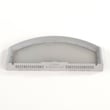
- Clean the lint screen before or after each load; replace a damaged screen with the exact GE dryer lint screen WE03X23881
- Inspect and clean the home exhaust duct at least yearly
- Keep loads “loose” so clothes tumble and dry evenly
- If dry times increase, run the dryer’s vent diagnostic (Vent Health) and correct airflow issues
- Use sensor cycles when possible; use Timed Dry for special cases only
Quick expectations by age
| Dryer age | What we typically see | What to do |
|---|---|---|
| 0 to 5 years | Mostly maintenance issues | Focus on lint and venting |
| 6 to 10 years | Wear parts start showing up | Watch for noise, longer dry times |
| 10+ years | Higher chance of component replacement | Compare repair cost vs. remaining life |
Why it matters
A dryer that is forced to run hot and long because of poor airflow wears out faster and costs more to operate. Keeping venting clear is one of the best ways to protect key parts like the heating system, motor drive, and drum supports.
Last updated: January 2026
What brand of dryer has the least problems?
No dryer brand is problem-free, but for overall low trouble rates, we typically see the best long-term results from simpler, well-built designs and strong parts support. For your GE dryer model PTD60EBPR0DG, the best way to minimize problems is to follow the maintenance and venting guidance in the PTD60EBPR0DG owner’s manual.
Brands that tend to have fewer issues (general guidance)
Across mainstream residential dryers, these brands are commonly viewed as lower-risk choices when you prioritize reliability over extra features:
- Speed Queen: known for heavy-duty build and simpler controls
- Whirlpool and Maytag: strong service network and widely available parts
- LG: often rates well for performance and owner satisfaction
- GE: generally solid reliability, especially when venting and lint control are kept up
What matters more than the logo
Even the most reliable brand will have problems if airflow is restricted or maintenance is skipped. We recommend focusing on these reliability drivers:
- Short, straight vent run using 4-inch rigid metal ducting
- Lint screen cleaned before or after every load
- Exhaust duct inspected and cleaned at least yearly
- Correct cycle and temperature for the fabric type
- Avoiding overloads (overloading increases wear and dry time)
Quick comparison: how to choose for fewer repairs
| Priority | What to look for | Why it helps |
|---|---|---|
| Fewer breakdowns | Fewer “smart” features, proven platform | Less electronics complexity |
| Faster drying | Strong airflow and proper venting | Reduces heat stress and run time |
| Lower operating cost | Sensor dry + efficient venting | Prevents overdrying and saves energy |
| Easier DIY repairs | Common parts availability | Faster, cheaper fixes |
Why it matters
Most “dryer problems” customers experience are actually airflow-related (lint buildup, crushed duct, long vent runs). Keeping airflow strong helps your PTD60EBPR0DG dry faster, run cooler, and reduce strain on components like the heater and thermostats.
Helpful related DIY content
If you’re comparing reliability because your dryer is acting up, our troubleshooting content can help you narrow the cause:
Last updated: January 2026
How much does it cost to run an electric dryer for 1 hour?
For a GE PTD60EBPR0DG electric dryer, the exact 1-hour cost depends on your local electricity rate and how often the heater cycles on and off; most electric dryers use roughly 2 to 6 kWh per hour, so at $0.12 per kWh that is about $0.24 to $0.72 per hour. For operating tips and cycle options, use the PTD60EBPR0DG owner’s manual.
Quick way to estimate your cost
Use this formula:
- Cost per hour = (kW used per hour) × (your $/kWh rate)
- If you only know watts: kW = watts ÷ 1000
Common real-world factors that change kWh per hour:
- Cycle type (sensor cycles vs. timed dry)
- Temperature setting (Hot vs. Medium/Low)
- Load size and fabric type (towels cost more than light synthetics)
- Venting condition (restricted venting increases run time and energy use)
- ecoDry setting (often saves energy but can extend run time)
Example cost table (using $0.12 per kWh)
| Dryer energy use (kWh per hour) | Approx. cost per hour |
|---|---|
| 2 kWh | $0.24 |
| 4 kWh | $0.48 |
| 6 kWh | $0.72 |
How to lower operating cost on PTD60EBPR0DG
These steps typically reduce both drying time and energy use:
- Clean the lint filter before each load; a damaged or missing screen should be replaced with the GE dryer lint screen WE03X23881.
- Keep the vent system clear and as short as practical (restricted airflow is a top cause of long dry times).
- Use sensor cycles when possible; they stop closer to “dry” instead of running a full timed cycle.
- Avoid overloading; packed loads dry slower and can trigger longer heater run time.
- Use ecoDry when you prioritize energy savings over speed.
Why it matters
Dryers are one of the higher-energy appliances in most homes. Small changes like better airflow and correct cycle selection can cut drying time, reduce wear on parts like the heating system, and lower your monthly electric bill.
Last updated: January 2026
What is the most common problem with a GE dryer?
For the GE PTD60EBPR0DG dryer, the most common customer complaints we see across GE dryers are “no heat” and “clothes take too long to dry”, and the most frequent root cause is restricted airflow from lint buildup or a blocked vent. Start with the venting and lint system checks in the PTD60EBPR0DG owner's manual.
Quick checks that fix many “no heat” or “long dry time” calls
- Clean the lint filter before every load; wash it with warm, soapy water if you notice a waxy film.
- Check the outside vent hood; make sure the damper opens freely.
- Inspect the vent path for kinks, crushed duct, or long runs.
- If your model has a “Vent Blocked” light, treat it as an airflow warning and clean the vent system.
- Avoid overloading; large, heavy loads can extend dry time even when the dryer is working normally.
Model-specific tip: use the built-in vent diagnostic
The PTD60EBPR0DG manual describes a “Vent Health” test that helps confirm whether your house vent is restricted. Run it with an empty drum and a clean lint filter; then follow the action recommended by the result.
| Symptom | Most common cause | What to do first |
|---|---|---|
| Clothes take too long to dry | Restricted venting or lint buildup | Clean lint filter and inspect/clean venting |
| Dryer tumbles but doesn’t heat | Power supply issue (electric) or heat system fault | Check breakers/fuses; then move to heat components |
| Dryer won’t start | Control asleep, door not closed, or power issue | Press Power, close door firmly, verify power |
When it points to a part instead of airflow
If airflow is good and the dryer still will not heat (or heat is inconsistent), common suspects on many GE dryers include the heating element and temperature-sensing components. For this model, compatible examples include the dryer heating element WE11M10001 and the dryer heating element control thermistor WE4M398.
Why it matters
Airflow problems do more than slow drying; they can cause overheating, nuisance shutdowns, and repeated part failures. Keeping the lint filter and venting clear is the best way to protect performance and reduce repair costs.
Last updated: January 2026