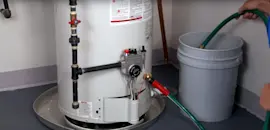
Owner’s manual
 Error Codes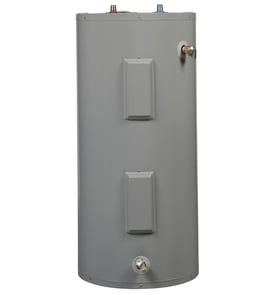
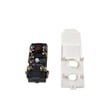


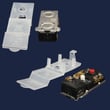

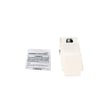
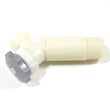
How do I know if my electric water heater element is bad?
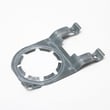
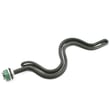
If your Kenmore 153326662 electric water heater has no hot water, runs lukewarm, makes rumbling noises, or repeatedly trips the high-temperature reset, a failed heating element is a common cause. We confirm it by safely shutting off power and testing the element for an open circuit or a short to ground; replacement must match the heater’s voltage and not exceed the wattage on the rating plate (see the owner's manual).
Common signs of a bad heating element
- No hot water or not enough hot water
- Hot water runs out faster than normal
- Water temperature fluctuates
- Rumbling or popping sounds (scale buildup on the element)
- Breaker trips or the high-limit reset button trips repeatedly
How we test an electric water heater element (safe, basic method)
- Turn OFF power at the breaker.
- Remove the access panel and fold insulation back.
- Disconnect the two wires from the element terminals.
- Use a multimeter:
- Across the two element screws: a good element shows a measurable resistance; an open/infinite reading indicates a failed element.
- From each screw to the metal tank (ground): any continuity indicates a short to ground (failed element).
Typical resistance readings (for reference)
| Element wattage | Typical ohms (approx.) | What it suggests |
|---|---|---|
| 3800W | ~3.8 ohms | Normal range if stable |
| 5500W | ~2.6 ohms | Normal range if stable |
| Any | Infinite / OL | Element is open (bad) |
| Any | Continuity to tank | Element is shorted (bad) |
If the element is bad: what to replace on model 153326662
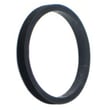
When we replace an element, we also install a new gasket to prevent leaks.
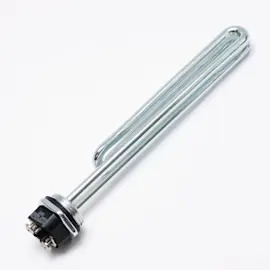
- Element 3800 100108346 (part number 9000049)
- Element 5500 100093526 (part number 9000396)
- Water heater heating element gasket 100108379 (part number 9000308)
Why it matters
A weak or failed element can leave you without reliable hot water and can overwork the remaining element and thermostats. Replacing the element with the correct voltage and proper wattage, then refilling the tank completely before restoring power, helps prevent repeat failures and leaks.
Last updated: February 2026
How do I read my water heater model number?
For your Kenmore electric water heater model 153326662, we use the model number exactly as it appears on the model rating plate (the sticker/metal tag on the tank). On this series, the rating plate is located near the access panel, and it will also list the serial number.
Where to find the model number on the tank
Look for the model rating plate on the front of the water heater, typically close to an access panel.
- Turn off power at the breaker before opening any access panel
- Locate the rectangular access panel cover on the tank
- Check the area near that panel for the model rating plate
- Copy the model number and serial number exactly (including dots or dashes if shown)
- Use that exact model number when looking up parts and manuals
What to write down (and why)
When we match parts for model 153326662, the most important identifiers are:
- Model number: identifies the exact water heater design
- Serial number: helps identify production details for the unit
- Part number (when ordering): identifies the replacement part itself
- Part description: confirms you are selecting the correct item
Quick reference
| Item | Where you’ll see it | What it’s used for |
|---|---|---|
| Model number | Model rating plate near the access panel | Finding the correct parts list and diagrams |
| Serial number | Same rating plate | Identifying the specific unit |
| Part number | On the parts list and part packaging | Ordering the correct replacement |
Why it matters
Kenmore water heaters often have similar-looking tanks across different gallon sizes and element configurations. Using the exact model number from the rating plate prevents ordering the wrong heating element, thermostat, or gasket.
Helpful next step
Use the model number from the rating plate to cross-check specifications and diagrams in the owner's manual.
Last updated: February 2026
What is the life expectancy of a Kenmore water heater?
A Kenmore electric water heater like model 153326662 typically lasts 8 to 12 years. Regular maintenance (especially flushing sediment and checking the anode rod) helps you reach the high end of that range and reduces the chance of early tank corrosion.
Typical lifespan and what affects it
Most electric tank water heaters fall into a predictable lifespan range; the biggest differences come from water quality, usage, and maintenance.
- Water hardness and sediment: heavy mineral content speeds element wear and reduces efficiency.
- Anode rod condition: a depleted anode rod lets the tank corrode faster.
- Operating temperature: higher thermostat settings increase stress on the tank and components.
- Leak history: recurring leaks at fittings or the drain valve can lead to rust and damage.
- Maintenance frequency: periodic draining and inspection extends service life.
Maintenance that extends service life
Use the owner's manual for the correct procedures and safety steps for your Kenmore 153326662.
| Maintenance task | How often | Why it matters |
|---|---|---|
| Drain a few gallons or flush the tank | 6 to 12 months | Reduces sediment that can overheat elements and shorten tank life |
| Inspect and replace the anode rod | 1 to 3 years | Protects the tank from corrosion |
| Check thermostat setting and operation | As needed | Prevents overheating and temperature swings |
| Inspect access panels and wiring area | 6 to 12 months | Catches moisture, loose connections, and heat damage early |
Parts that commonly impact longevity on this model
If performance drops (slow recovery, lukewarm water, tripped breaker), these parts are common wear items for the Kenmore 153326662:
- Heating elements: element 3800 100108346 and element 5500 100093526
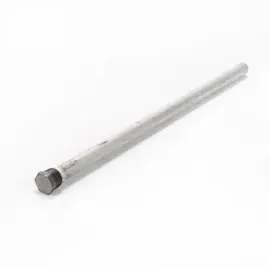
- Corrosion protection: anode rod 100109624
- Temperature control: thermostat 100108424 (also verify upper/lower thermostat type before ordering)
Why it matters
Once a tank begins to corrode internally, repairs to elements or thermostats can restore heat but will not stop a developing tank leak. Keeping sediment down and the anode rod healthy is the most effective way to get a full 8 to 12 years from an electric water heater.
Last updated: February 2026
What is usually the most common water heater problem?
The most common problem we see with water heaters like your Kenmore 153326662 is reduced performance from mineral sediment buildup, followed closely by “no hot water” caused by a failed heating element or a thermostat issue. Leaks at fittings or the drain valve are also common; use the owner's manual to pinpoint the source safely.
Most common problems (and what they look like)
- Sediment buildup in the tank: rumbling or popping sounds, slower recovery, less hot water
- Failed heating element (electric models): lukewarm water or no hot water
- Thermostat problems: water too hot, not hot enough, or fluctuating temperatures
- Minor leaks at connections/valves: water around the base, damp insulation area, dripping from drain valve
- Odor complaints: “rotten egg” smell tied to anode rod reaction in certain water conditions
Quick checks we recommend first (safe, high value)
- Turn power OFF at the breaker before opening access panels.
- Confirm the tank is completely full before restoring power (dry-firing damages elements).
- Check for a tripped breaker; breakers can weaken with age.
- Verify thermostat setting and allow recovery time after heavy hot-water use.
- If you suspect a leak, inspect common leak points before assuming the tank is bad.
Common symptoms and likely causes
| Symptom | Most likely cause | Common fix/part area |
|---|---|---|
| No hot water | Tripped breaker, failed element, high-temp shutoff | Electrical checks; element/thermostat circuit |
| Water too hot | Thermostat set too high or stuck | Adjust or replace thermostat |
| Dripping at element area | Element gasket not sealing | Replace gasket and retighten element |
| Dripping at drain valve | Valve slightly open or leaking at fitting | Reseat/replace drain valve |
Parts that often solve the “no hot water” or leak complaint
If troubleshooting points to a failed component, these are common replacements for this model:
- Element 5500 100093526 (heating issue)
- Thermostat 100108424 (temperature control issue)
- Water heater heating element gasket 100108379 (leak at element opening)
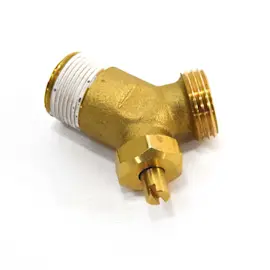
- Ao smith water heater drain valve 100108605 (leak at drain valve)
Why it matters
Sediment and failing controls make the heater run longer, deliver less hot water, and can accelerate wear. Catching a small leak at a fitting, element gasket, or drain valve early helps prevent property damage.
Last updated: February 2026