Owner’s manual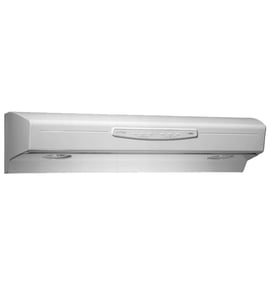



Does a 36 range need a 36 hood?
A 36-inch range works best with a hood that is at least 36 inches wide. For Kenmore Elite model 23350363200, the hood itself is a 36-inch model, so it matches a 36-inch cooking surface and provides better capture of smoke and grease than a narrower hood.
Recommended hood width for a 36-inch range
We size hoods to cover the full cooking surface, plus a little extra when possible.
- Minimum: 36-inch hood for a 36-inch range
- Better: 39 to 42 inches (when cabinet layout allows)
- Avoid: 30-inch hood over a 36-inch range (more spillover and lingering odors)
- Also consider: burner output (BTUs), cooking style (wok, searing), and ceiling height
| Range width | Minimum hood width | Best practice |
|---|---|---|
| 30 in | 30 in | 30 to 36 in |
| 36 in | 36 in | 36 to 42 in |
| 48 in | 48 in | 48 to 54 in |
Installation height matters as much as width
Even with the right width, performance drops if the hood is mounted too high. The 23350363200 manual calls for the bottom of the hood to be 24 to 30 inches above the cooking surface in typical installations. Use the 23350363200 owner's manual to confirm the best height for your ceiling and flue setup.
- Mounting too low can interfere with tall pots and cooking access
- Mounting too high reduces smoke capture
- Longer duct runs and extra elbows reduce airflow
- Seal duct joints well to prevent leaks
Why it matters
A properly sized hood (width plus correct mounting height) improves ventilation, keeps cabinets cleaner, and reduces lingering cooking odors. It also helps the blower work more efficiently, which can reduce noise for the same real-world performance.
Last updated: February 2026
How do I know what model range hood I have?
To identify your Kenmore Elite range hood model, find the rating label and match the model number on that label to your paperwork. On model 23350363200, the manual also points you to the product specification label for key information and requirements; see the 23350363200 owner's manual.
Where to look for the model label
On most Kenmore wall-mount range hoods, the model and serial label is typically in one of these spots:
- On the top of the hood canopy (you may need a flashlight)
- On the underside of the hood, near the lights or controls
- Behind the grease filter (remove the filter and look on the inner frame)
- Inside the flue area (if your hood has a decorative flue cover)
What to write down (and why)
Record these items exactly as shown on the label:
- Model number (this is what we use to match parts diagrams)
- Serial number (helps confirm production details)
- Electrical rating (useful when troubleshooting power, lights, or motor issues)
- Vent configuration notes (ducted vs. non-ducted setup)
Quick ID checklist
| If you see this on the label | Use it for | Example format |
|---|---|---|
| Model No. | Ordering parts and manuals | 23350363200 |
| Serial No. | Service history and verification | Letters and numbers |
| Volts/Amps | Electrical troubleshooting | 120V, etc. |
Why it matters
Using the exact model number prevents ordering the wrong items, especially for common replacements like a range hood light bulb SB02300264 or a range hood fan motor SB02310177, which can vary by hood series and revision.
Last updated: February 2026
How many CFM do I need for a 36 range?
For a 36-inch range, plan on at least 300 CFM as a solid baseline (100 CFM per 12 inches of cooktop width). For your Kenmore Elite range hood model 23350363200 (36-inch hood), use the performance specifications in the 23350363200 owner's manual to match airflow to your cooking style and duct setup.
Quick CFM sizing rules we use
- Width rule: 36 inches ÷ 12 = 3; 3 × 100 CFM = 300 CFM minimum
- More CFM helps if you sear, fry, grill indoors, or cook with strong spices
- Ducted (vented outside) clears smoke and grease better than non-ducted recirculating
- Long duct runs and elbows reduce real airflow, so stepping up in CFM offsets losses
- Hood height matters: most installs target 24 to 30 inches above the cooking surface (see the manual for your exact mounting range)
Typical recommendations for a 36-inch range
| Cooking and venting situation | CFM range that works well |
|---|---|
| Light cooking, short straight duct | 300 to 450 |
| Frequent frying or high-heat searing | 450 to 600 |
| Long duct run, multiple elbows, roof cap | 600+ to overcome losses |
What to check on your Kenmore Elite 23350363200
These items often matter more than the “headline” CFM number:
- Duct size and whether it stays consistent (avoid reducing diameter)
- Number of elbows and total equivalent duct length
- Wall or roof cap condition and damper movement
- Grease filter cleanliness and fit
- Blower condition; a worn motor can reduce airflow (see range hood fan motor SB02310177 if you are troubleshooting weak suction)
Why it matters
Correct CFM is about capture and containment. Enough airflow, correct hood height, and low-restriction ducting keep smoke, moisture, and grease from spreading through the kitchen.
Last updated: February 2026
How to clean Kenmore Elite range hood filters?
For Kenmore Elite range hood model 23350363200, we clean the aluminum grease filters about once a month using hot water and mild detergent (or run them through the dishwasher), then dry them completely before reinstalling. This prevents grease buildup that can reduce airflow and cause odors.
Steps to clean the grease filters
- Turn the hood off and let it cool.
- Remove the aluminum mesh grease filter(s) from the underside of the hood.
- Wash using hot water and mild detergent, or place the filter(s) in the dishwasher.
- Rinse well (if hand-washing) and shake off excess water.
- Let filters air-dry fully before reinstalling.
- Wipe surrounding hood surfaces while the filters are out.
Cleaning frequency guide (what we recommend)
Filter cleaning depends on cooking style. Use this as a practical schedule:
| Cooking habits | Cleaning interval |
|---|---|
| Light cooking (boiling, low grease) | Every 4 to 6 weeks |
| Typical daily cooking | About every month |
| Heavy grease (frying, wok cooking) | Every 1 to 2 weeks |
Stainless steel hood surfaces (quick care)
We wash stainless steel surfaces with a clean cloth, warm water, and mild dish detergent; then rinse and wipe dry immediately. Always wipe in the direction of the polish lines.
Why it matters
Clean filters keep the blower moving air efficiently, reduce lingering cooking smells, and lower the chance of grease accumulation inside the hood.
For model-specific filter handling and care notes, follow the 23350363200 owner’s manual.
Last updated: February 2026
How to determine hood size?
For the Kenmore Elite 23350363200 range hood, we determine hood size by matching the hood width to your cooktop or range width; the hood should be at least as wide as the cooking surface, and a wider hood captures smoke and grease more effectively. Confirm your exact installation clearances in the 23350363200 owner's manual.
How to measure for the right hood width
- Measure the cooktop or range left-to-right at the widest point.
- Choose a hood that is at least the same width as the cooking surface.
- For better capture, size up when possible (common upgrade is 3 inches wider per side).
- If you have cabinets, measure the inside cabinet opening where the hood will sit.
- If you are ducting out, confirm your planned duct path and outlet location before ordering.
Height and clearance guidelines (from the manual)
The manual for this model calls out a typical mounting height of 24 to 30 inches above the cooking surface.
| Ceiling height | Typical hood-to-cooktop clearance range |
|---|---|
| 8 ft | 24 to 27 in |
| 9 ft | 28 to 30 in |
Ducting considerations that affect real-world performance
Even with the correct hood width, long or restrictive duct runs reduce airflow. The manual notes the hood performs efficiently with longer duct runs, and provides equivalent-length guidance for 6-inch round duct systems.
| Duct item (example) | Adds equivalent length |
|---|---|
| 6-in round straight duct (2 ft) | 2 ft |
| 6-in round elbow | 8 ft |
| 3-1/4 x 10 to 6-in round transition | 5.5 ft |
Why it matters
Correct sizing improves capture area, reduces lingering odors, and helps keep grease off cabinets and filters. Proper mounting height and a reasonable duct layout help the fan motor move air the way it was designed to.
Last updated: February 2026
Is Kenmore Elite high end?
Yes. Kenmore Elite is Kenmore’s premium line; the Kenmore Elite range hood model 23350363200 is a decorative chimney-style hood with installation and ducting guidance typical of higher-end kitchen ventilation.
What “high end” means for this range hood
For range hoods, “high end” usually shows up in finished appearance, ducting capability, and how well the hood maintains airflow in real installations.
Key indicators for model 23350363200 include:
- Decorative flues (upper and lower) for a built-in look
- 6-inch round ducting support for ducted setups
- Performance guidance for long duct runs (measured as equivalent duct length)
- Defined mounting height for better smoke and grease capture
- Serviceable components such as the motor, blower wheel, damper, and lights
Performance detail from the manual (the practical metric)
The 23350363200 owner’s manual gives a clear reference point for longer duct runs: this hood operates at about 80% of its rated airflow when connected to 150 equivalent feet of 6-inch round ductwork. That is the kind of spec you typically see on more premium ventilation designs because it helps you plan elbows, transitions, and total duct length.
| Ducting topic | What the manual states | Why it matters |
|---|---|---|
| Duct size reference | 6-inch round ductwork | Common standard for stronger airflow systems |
| Long-run reference | ~80% airflow at 150 equivalent feet | Helps predict real-world performance |
| Mounting height | Bottom of hood 24 to 30 inches above cooktop | Improves capture and reduces lingering odors |
Parts that support long-term ownership
Premium hoods are often worth maintaining because key parts are replaceable.
Common examples for this model:
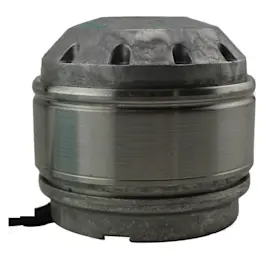
- Range hood fan motor SB02310177 (restores ventilation power)
- Range hood round damper, 6-in SB08088378 (helps prevent backdrafts)
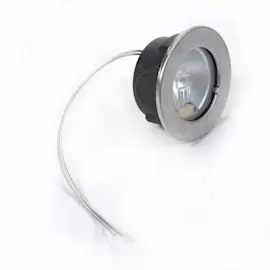
- Range hood light bulb SB02300264 (restores cooktop lighting)
Why it matters
“Elite” is most noticeable when the hood is installed at the correct height and the duct system is planned correctly; that combination improves smoke capture, reduces grease buildup, and keeps airflow closer to the hood’s rated performance.
Last updated: February 2026
What are the parts of a range hood called?
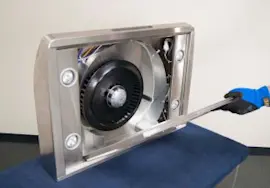
A Kenmore Elite range hood like model 23350363200 is typically made up of the hood body (canopy), a blower system, ducting or recirculation components, controls, lighting, and filters. The exact names and layout vary by configuration (ducted vs non-ducted), so we recommend confirming terms in the 23350363200 owner’s manual.
Common range hood parts (what they do)
- Canopy/hood body: the main housing that captures smoke and grease
- Mounting bracket: supports the hood on the wall or cabinet
- Blower (fan) motor: powers airflow through the hood
- Blower wheel: moves air efficiently through the housing
- Damper and vent transition: helps direct air into ductwork and reduces backdrafts
- Lighting system: bulb and reflector that illuminate the cooktop
- Flue/duct cover: decorative cover that hides ducting (common on chimney-style hoods)
Parts you will commonly see on model 23350363200
Here are several model-matched part names you may see when shopping or troubleshooting:
| Part name (common term) | What it’s for | Example model-matched part |
|---|---|---|
| Light bulb | Cooktop lighting | Range hood light bulb SB02300264 |
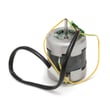
| Fan motor | Drives ventilation | Range hood fan motor SB02310177 |
| Round damper (6-in) | Prevents backdraft, connects to duct | Range hood round damper, 6-in SB08088378 |
| Blower wheel assembly | Moves air through the hood | Range hood blower wheel assembly SB03295076 |
Ducted vs non-ducted naming differences
Range hood part names often change based on how the hood vents:
- Ducted setups use a damper, vent transition, and ductwork to exhaust outside.
- Non-ducted (recirculating) setups use a non-ducted plenum to redirect air back into the kitchen (filters are typically involved).
- The manual also references installing and connecting ductwork differently for ducted vs non-ducted configurations.
Why it matters
Using the right part name helps you match the correct component to your symptom (for example, “fan motor” vs “blower wheel”) and prevents ordering the wrong replacement for your Kenmore Elite 23350363200 range hood.
Last updated: February 2026
What is the life expectancy of a range hood?
A range hood typically lasts 10 to 20 years (about 15 years on average). For the Kenmore Elite 23350363200 range hood, regular cleaning and correct venting help you reach the longer end of that range; the fan motor and controls are the most common wear items.
What affects how long your hood lasts
- Cooking frequency and heat load (heavy frying and high-heat cooking shortens life)
- Grease and filter maintenance (grease buildup strains the blower and can overheat the motor)
- Proper venting (ducting outside reduces grease and moisture exposure inside the hood)
- Installation height (most setups perform best with the hood 24 to 30 inches above the cooktop)
- Electrical health (loose connections and damaged wiring can cause intermittent operation)
Maintenance that extends life
Use these habits to protect the blower, lights, and electronics:
- Clean grease filters on a consistent schedule (more often with frequent frying)
- Wipe the underside and fan intake area to prevent sticky grease buildup
- Keep ductwork clear and as smooth/short as practical to reduce airflow restriction
- Replace failed lights promptly to avoid heat damage around the socket area
- If the motor shuts off and restarts repeatedly, treat it as an overheating warning and service the hood
Common “end-of-life” symptoms and likely causes
| Symptom | Common cause | Typical fix |
|---|---|---|
| Loud rattling or vibration | Grease buildup, worn blower wheel, loose mounting | Clean, tighten, inspect blower wheel |
| Fan runs but weak airflow | Restricted duct, stuck damper, dirty filters | Clean filters, check damper and duct |
| Fan will not run | Failed motor, control issue, wiring problem | Test power and components; replace as needed |
| Lights out | Burned-out bulb or socket issue | Replace bulb; inspect wiring |
If you are troubleshooting parts, the most frequently replaced items include the range hood fan motor SB02310177 and the range hood light bulb SB02300264. For model-specific care and safety guidance (including venting and mounting height), follow the 23350363200 owner’s manual.
Why it matters
A hood that is kept clean and vented correctly moves smoke and grease efficiently, runs cooler, and puts less stress on the motor bearings and electronic controls. That directly translates into a longer service life and quieter operation.
Last updated: February 2026
Where is the model number on a Kenmore Elite stove?
For Kenmore Elite model 23350363200, the model number is on the range hood’s nameplate label, not on a stove frame. Check the hood canopy area and the inside surfaces you can see after removing the filters; confirm the exact label location in the 23350363200 owner’s manual.
Where to look on a Kenmore Elite range hood
On this Kenmore Elite range hood, the model label is typically placed where it stays readable but protected from heat and grease. Check these common spots:
- Inside the hood canopy, visible after removing the grease filters
- On the side wall inside the hood (left or right interior panel)
- Near the wiring or electrical box area inside the hood (power off first)
- On the top of the hood body near the duct outlet or vent transition
- On the back of the hood body near the mounting area (if accessible)
What to write down from the label
Record these items exactly as shown so we can match diagrams and parts correctly:
- Model number: 23350363200
- Serial number
- Electrical rating (volts, amps, Hz)
- Brand line (Kenmore Elite)
| Label item | Why it matters | Example parts it helps match |
|---|---|---|
| Model number | Pulls the correct parts diagram | Range hood fan motor SB02310177, range hood light bulb SB02300264 |
| Serial number | Identifies production series | Control housing, wiring variations |
| Electrical rating | Confirms safe electrical replacements | Motor, switches, wiring components |
Why it matters
Range hood parts like the blower motor, blower wheel, and light bulb can vary by model and production run. Using the exact 23350363200 identification prevents ordering a motor or bulb that will not fit.
Last updated: February 2026