



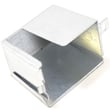


How to fix leaking GE Cafe dishwasher corner baffle replacement?
A corner leak on your GE Café dishwasher model CDT858P3V1D1 is usually caused by a sealing or alignment issue at the door opening, not a confirmed “corner baffle” part for this model. We fix it by pinpointing the leak location, cleaning the sealing surfaces, leveling the unit, and replacing the correct seal or latch parts if worn.
Confirm where the water is escaping
Run a short cycle and watch the first few minutes of fill and wash.
- Leak at the front corner of the door: door seal, tub gasket area, or door alignment
- Leak under the tub: hose, pump, sump, or valve
- Leak only during heavy spray: spray pattern issue, loading issue, or door not pulling tight
- Suds or foam present: detergent type or rinse aid setting causing oversudsing
Fixes that stop most corner leaks
Start with the no-parts checks; they solve a large share of “corner leak” complaints.
- Clean the tub lip and sealing surfaces with a damp cloth; remove detergent film and grit
- Verify the dishwasher is level side-to-side and slightly tipped back (typical install)
- Check racks and tall items are not preventing the door from closing fully
- Reduce oversudsing: use dishwasher detergent only; avoid hand soap contamination
- Inspect the tub opening seal for tears, flattening, or gaps
Parts to consider for CDT858P3V1D1
If the seal or latch is worn, replacing the correct part stops leaks immediately.
| Symptom | Most likely area | Part to check |
|---|---|---|
| Water at door edge/corner | Tub opening seal | Dishwasher tub gasket WD08X23477 |
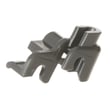
| Door feels loose or pops open | Latch not holding tight | Dishwasher door latch lock WD01X29878 |
| Door won’t pull in firmly | Strike misaligned/worn | Dishwasher door latch strike WD13X10071 |
Why it matters
A dishwasher seals by pulling the door evenly against the tub opening. If the tub gasket is worn or the latch system does not pull the door tight, water escapes at the corners first.
Helpful DIY reference
For general leak diagnosis steps and what to check during a test cycle, use dishwasher leaks video.
Last updated: February 2026
What are the commonly replaced parts in a dishwasher?
In a GE dishwasher like model CDT858P3V1D1, the most commonly replaced parts are the ones that handle water flow, heating, draining, and door sealing. When a dishwasher won’t drain, won’t fill, leaks, or won’t start, these wear items and a few key electrical parts are the first places we check.
Most common dishwasher parts that get replaced
- Drain components (pump and hose) when water stays in the tub
- Water inlet parts when the unit won’t fill or fills slowly
- Door latch and strike parts when the dishwasher won’t start or stops mid-cycle
- Seals and gaskets when you see leaks at the door or tub edge
- Heating and wash system parts when dishes are wet, cold, or not getting clean
Model-relevant examples for CDT858P3V1D1
Here are examples of commonly replaced parts that fit this GE model:
| Symptom | Likely part category | Example part for this model |
|---|---|---|
| Won’t drain, standing water | Drain system | Dishwasher drain pump WD19X25461 |
| Leaks at tub edge | Seals and gaskets | Dishwasher tub gasket WD08X23477 |
| Won’t fill or fills slowly | Water inlet | Water valve assembly WD15X27703 |
| Won’t start, door won’t latch | Door switch/latch | Dishwasher door latch lock WD01X29878 |
| Poor drying, water not heating | Heating circuit | Heating element WD05X35098 |
Why these parts fail
- Normal wear from heat, detergent, and vibration
- Clogs from food debris, labels, or broken glass
- Hard water scale buildup on heating and water-path parts
- Door alignment issues that stress the latch and seals
- Electrical failures from moisture intrusion or age
Why it matters
Replacing the correct “high-failure” part first saves time and prevents repeat problems. For example, a drain issue can be a pump problem, but it can also be a kinked hose or a restriction; checking the drain path before replacing parts avoids unnecessary returns.
For troubleshooting by fault code on GE electronic models, use GE electronic dishwasher error codes.
Last updated: February 2026
What is the most common problem with GE dishwashers?
The most common problems we see on GE dishwashers like model CDT858P3V1D1 are not draining, not starting, and leaking. In many cases, the fix is a simple clog removal or door-latch alignment; when it is a part failure, the drain pump, door latch, or tub gasket are frequent culprits.
Most common symptoms and what they usually point to
- Water left in the bottom: drain path restriction, drain pump issue, or a kinked drain hose
- Won’t start or stops mid-cycle: door not latching, latch switch problem, or control issue
- Leaks at the front or corners: worn tub gasket or door not closing squarely
- Poor cleaning: spray arm blockage, low water fill, or wash pump performance issue
- Error code on the display: use GE-specific code charts to narrow the failure
Quick checks we recommend first (before buying parts)
- Cancel the cycle and try a reset (power off at the breaker for 1 minute, then restore power).
- Check the tub bottom for standing water and remove any debris you can reach.
- Inspect the drain hose routing under the sink for kinks or a high loop issue.
- Confirm the door closes firmly and the latch engages consistently.
- If an error code is showing, match it to the chart in GE electronic dishwasher error codes.
Parts that commonly solve these problems on CDT858P3V1D1
| Symptom | Common fix | Example part for this model |
|---|---|---|
| Not draining | Clear blockage; replace drain pump if it hums but won’t move water | Dishwasher drain pump WD19X25461 |
| Won’t start | Adjust/replace latch components | Dishwasher door latch lock WD01X29878 |
| Leaking | Replace sealing surface gasket | Dishwasher tub gasket WD08X23477 |
Why it matters
Drain, start, and leak issues can trigger longer cycle times, poor drying, and water damage risk. Catching the root cause early also prevents secondary failures (for example, a struggling drain system overworking the pump).
Last updated: February 2026





