




What is the life expectancy of a GE profile dishwasher?
A GE Profile dishwasher like model PDT715SBN8TS typically lasts 10 to 12 years with normal household use. Consistent cleaning, correct loading, and fixing small issues early (drain, fill, heating, or spray problems) are the biggest factors in reaching or beating that range.
What affects lifespan the most
- Water quality: hard water speeds up mineral buildup on the heating system and spray paths.
- How often you run it: multiple loads daily shortens overall service life.
- Cleaning and maintenance: a clean filter area and spray arms reduce strain on the wash pump.
- Proper draining: standing water can lead to odors and extra wear on the drain system.
- Door sealing and latching: leaks and slamming the door can damage the latch and gasket.
Quick maintenance routine (keeps it running longer)
- Run a dishwasher cleaner monthly; wipe the door edges and bottom lip.
- Check spray arms for clogs; clear debris from holes.
- Use the right detergent amount; too much can cause residue and poor rinsing.
- Keep the drain path clear; avoid letting labels, glass, or food scraps circulate.
- If you have hard water, use rinse aid and consider periodic descaling.
Common wear items and what they impact
| Symptom | Often involved system | Example part for PDT715SBN8TS |
|---|---|---|
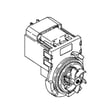
| Not draining, water left in tub | Drain system | Dishwasher drain pump WD19X25461 |
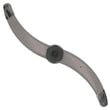
| Poor cleaning, weak spray | Spray system | GE dishwasher spray arm, lower WD22X33499 |
| Not drying well, cool water | Heating system | Heating element WD05X35098 |
Why it matters
A dishwasher that is maintained and repaired early usually avoids secondary damage (for example, a restricted spray arm can overwork the wash pump). That is how many owners get full life expectancy from a GE Profile unit.
For troubleshooting that helps prevent repeat failures, use our GE dishwasher error codes guide.
Last updated: February 2026
Can I replace dishwasher parts myself?
Yes, many parts on your GE PDT715SBN8TS dishwasher are DIY-friendly if you’re comfortable turning off power and water, taking photos of wire and hose routing, and working carefully to prevent leaks. For electrical controls, pumps, or heating issues, we recommend a more cautious approach.
What you can usually replace yourself
These repairs are commonly manageable with basic hand tools:
- Lower spray arm and wash components (clogs, cracks, poor spray)
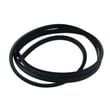
- Door sealing parts (minor leaks around the tub opening)
- Rack hardware (rollers, brackets, slide issues)
- Drain hose routing or replacement (kinks, splits, loose connections)
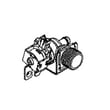
- Water inlet valve (no fill or slow fill after confirming supply)
Helpful model-matched examples include the GE dishwasher spray arm, lower WD22X33499 and dishwasher drain hose WD24X10062.
Repairs that are higher risk (often worth a technician)
These involve electrical testing, tight spaces, or leak-sensitive seals:
- Control and user interface issues (intermittent power, dead panel)
- Heating and drying problems tied to wiring or heater circuits
- Pump and sump leaks that require careful sealing and alignment
If you’re troubleshooting a no-run or error condition first, use GE electronic dishwasher error codes to narrow the failure before buying parts.
Quick DIY decision guide
| Repair type | Typical difficulty | Common risk | Best first check |
|---|---|---|---|
| Spray arm replacement | Easy | None | Debris in spray holes |
| Drain hose replacement | Easy to moderate | Leaks | Clamp fit and routing |
| Inlet valve replacement | Moderate | Leaks, flooding | Shutoff valve fully open |
| Pump/sump work | Moderate to hard | Leaks | Look for water under unit |
| Control board/UI work | Hard | Electrical damage | Verify power and door latch |
Why it matters
Dishwashers combine water, heat, and electricity. Choosing the right DIY level helps prevent repeat failures (like poor cleaning from a clogged spray arm) and avoids costly water damage from a mis-seated hose or gasket.
Last updated: February 2026
How to do a hard reset on a GE dishwasher?
For a GE dishwasher like model PDT715SBN8TS, a “hard reset” is a power reset: shut off power at the breaker (or unplug) for 1 full minute, restore power, then press and hold Start/Reset for about 3 seconds to clear the control and restart the cycle.
Hard reset steps (power reset)
- Turn the dishwasher OFF.
- Switch the dishwasher circuit breaker OFF (or unplug the unit).
- Wait 60 seconds (this lets the control board fully discharge).
- Turn the breaker ON (or plug back in).
- Close the door, then press and hold Start/Reset for 3 seconds.
- Wait 1 to 2 minutes; many GE models will drain briefly as part of the reset.
If it still will not reset or start
These checks solve most “has power but will not run” complaints after a reset:
- Make sure the door is fully latched; a weak latch can prevent starting (see dishwasher door latch lock WD01X29878).
- Cancel the cycle, then select a new cycle and press Start again.
- Check for standing water; a drain issue can stop a cycle from completing (see dishwasher drain pump WD19X25461).
- If the unit is not filling, confirm the water supply valve is open; a failed inlet valve can mimic a control problem (see dishwasher water inlet valve WD15X26078).
- If an error code is showing, use the code to guide the next step (see GE electronic dishwasher error codes).
What a reset does (and does not do)
| Action | What it affects | What to expect |
|---|---|---|
| Power reset | Control memory and stuck states | Clears many glitches, may trigger a short drain |
| Start/Reset hold | Current cycle | Cancels cycle and restarts selection |
| Fixing a hardware fault | Latch, drain, fill, heating | Reset will not “override” a failed part |
Why it matters
A hard reset is the fastest way to clear a frozen keypad or control logic issue on a GE dishwasher. If the problem returns right away, the cause is usually a door-latch, drain, fill, or sensor condition that needs troubleshooting rather than repeated resets.
Last updated: February 2026
What are the commonly replaced parts in a dishwasher?
In a GE dishwasher like model PDT715SBN8TS, the most commonly replaced parts are the ones that control water flow, washing action, draining, heating, and door sealing. When you see leaks, poor cleaning, no-drain symptoms, or a won’t-start condition, these parts are the first places we check.
Commonly replaced dishwasher parts (and what they affect)
- Door sealing parts: tub gasket and door latch components; help prevent leaks and ensure the unit starts.
- Wash system parts: spray arms and wash pump; affect cleaning performance and spray pressure.
- Drain system parts: drain pump and drain hose; affect standing water and slow draining.
- Fill system parts: water inlet valve and pressure sensor; affect filling, water level, and wash pressure.
- Heating and drying parts: heating element; affects drying and water temperature.
- Controls and UI parts: control board and user interface; affect power, cycle selection, and error behavior.
Model PDT715SBN8TS parts we see replaced often
| Symptom | Likely part category | Example part for this model |
|---|---|---|
| Not draining, water left in tub | Drain system | Dishwasher drain pump WD19X25461 |
| Dishes not clean, weak spray | Wash system | GE dishwasher spray arm, lower WD22X33499 |
| Not drying well, water not heating | Heating | Heating element WD05X35098 |
| Won’t fill or fills incorrectly | Fill/level sensing | Dishwasher water inlet valve WD15X26078 or GE dishwasher pressure sensor WD21X25468 |
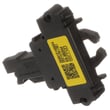
| Door won’t latch, won’t start | Door/latch | Dishwasher door latch lock WD01X29878 |
How we recommend narrowing it down before buying parts
- Match the symptom to a system (fill, wash, drain, heat, door, controls).
- Check for simple causes first: clogged spray arm holes, kinked drain hose, or a blocked filter area.
- Listen during a cycle: a humming pump with no water movement often points to a pump or blockage.
- Inspect for leaks at the door edge and bottom corners; gaskets and latch alignment matter.
- If an error code is showing, use GE dishwasher error codes to pinpoint the circuit or component.
Why it matters
Dishwashers are built around a few core systems; replacing the correct part restores performance faster and avoids repeat failures. For PDT715SBN8TS, drain, spray, fill, and heating components are the most common repair starting points.
Last updated: February 2026
What is the most common problem with GE dishwashers?
The most common problems we see on GE dishwashers like model PDT715SBN8TS are draining failures, poor cleaning from low spray pressure, and “won’t start” symptoms caused by a door-latch or control issue. Many calls are solved by cleaning, checking for clogs, and verifying the door is latching fully.
Most common issues and what to check first
- Not draining: standing water after the cycle; check the filter area and drain path.
- Not cleaning well: food left on dishes; check spray arms for clogs and loading issues.
- Won’t start or stops mid-cycle: often a door-latch/door-switch signal problem.
- Not filling: weak or no wash action; check household water supply and inlet valve screen.
- Leaks: usually around the door or tub seal.
Quick symptom-to-part map (common on this model family)
| Symptom | Most likely area | Part to consider (if checks fail) |
|---|---|---|
| Water left in bottom | Drain system | Dishwasher drain pump WD19X25461 |
| Weak wash, gritty dishes | Spray system | GE dishwasher spray arm, lower WD22X33499 |
| Unit won’t run unless you push door | Door latch | Dishwasher door latch lock WD01X29878 |
| No/low fill, humming | Fill system | Dishwasher water inlet valve WD15X26078 |
| Error code shown | Controls/sensors | GE electronic dishwasher error codes |
Steps that fix the majority of “common problems”
- Reset power: turn the breaker off for 1 minute, then back on.
- Confirm the door closes firmly: racks should not hit the door; latch should click.
- Clear spray-arm holes: rinse debris from the lower and middle spray arms.
- Check the drain route: make sure the drain hose is not kinked and the sink/disposer inlet is clear.
- Run hot water at the sink first: improves detergent dissolving and wash performance.
Why it matters
Drain and spray issues reduce water movement and temperature control, which leads to poor cleaning, odors, and repeat cycle interruptions. Catching a clog or a weak latch early helps prevent pump strain and nuisance error codes.
Last updated: February 2026





