Error Codes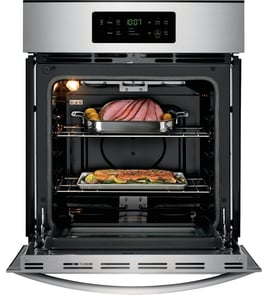





What power is required for electric wall oven?
For the GE JKP27BA3BB electric wall oven, the home supply is typically a 240-volt (sometimes 208-volt) dedicated circuit, which provides the higher wattage needed for bake and broil heating. We recommend confirming the exact voltage and breaker size on the unit’s rating label before wiring.
What to expect for voltage, circuit, and wiring
Most electric wall ovens like this GE model are designed for a dedicated 2-pole circuit and hardwired connection (or an approved junction box connection), not a standard 120V receptacle.
- Voltage: 240V is most common; 208V is also used in some apartments/condos
- Circuit type: Dedicated 2-pole breaker (no other loads on the circuit)
- Connection: Typically hardwired to a junction box with proper strain relief
- Grounding: Must be properly grounded per local electrical code
- Wire size: Depends on breaker rating and run length (follow code requirements)
Quick reference table
| Supply type | Where it’s common | What you may notice |
|---|---|---|
| 240V | Most single-family homes | Normal preheat and broil performance |
| 208V | Many multi-unit buildings | Slightly longer preheat and lower peak heat output |
How to confirm the exact requirement for your JKP27BA3BB
Use the oven’s rating label (often on the frame behind the door or on the side trim area) to verify:
- Required voltage (208/240V)
- Total wattage or amperage
- Recommended breaker size
If you are troubleshooting weak heating, verify the supply voltage first; low voltage can mimic a failing heating component.
Why it matters
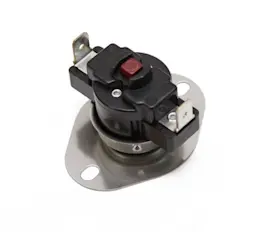
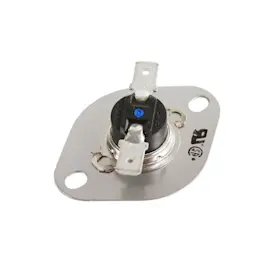
Correct power prevents nuisance breaker trips, slow preheating, and overheating of wiring. It also helps protect key components like the control wiring and safety devices such as the wall oven thermal fuse WB24K5085.
Last updated: January 2026
What is the difference between 27 and 30 inch wall ovens?
A 27-inch wall oven and a 30-inch wall oven mainly differ in cabinet cutout width and typical oven capacity. For a GE wall oven like model JKP27BA3BB, the correct choice depends on your existing cutout size and whether you want the extra interior space that many 30-inch models provide.
Key differences that affect fit and cooking
- Cutout width: 27-inch units fit a narrower cabinet opening than 30-inch units.
- Capacity: Many 27-inch ovens are around 4.0 cu. ft., while many 30-inch ovens are often about 4.7 to 5.1 cu. ft.
- Pan and rack space: 30-inch models usually handle wider baking sheets and larger roasts more comfortably.
- Installation changes: Moving from 27 to 30 inches often requires cabinet modification (not just swapping the oven).
- Electrical requirements: Both sizes commonly use similar 240V circuits, but always confirm your specific unit’s rating label before swapping.
Quick comparison
| Feature | 27-inch wall oven | 30-inch wall oven |
|---|---|---|
| Typical cabinet opening | Narrower | Wider |
| Typical capacity | About 4.0 cu. ft. | About 4.7 to 5.1 cu. ft. |
| Best for | Standard baking, tighter kitchens | Larger meals, bigger cookware |
| Upgrade impact | Usually direct replacement if same size | Often requires cabinet cutout changes |
How we recommend choosing the right size
- Measure your existing cabinet cutout (width, height, depth).
- Confirm whether you have a single or double wall oven setup.
- Decide if you need more space for large cookware; if so, a 30-inch model is often worth it.
- If you are keeping your GE JKP27BA3BB, focus on repair and maintenance parts such as the oven bake element WB44X48671 when heating performance is the issue.
Why it matters
Wall ovens are designed to match specific cabinet cutouts. Choosing the wrong width can turn a simple replacement into a carpentry project, and capacity differences can change how evenly and efficiently you cook large items.
Last updated: January 2026
Do wall ovens need to be hardwired?
Yes. For the GE JKP27BA3BB electric wall oven, the safe, standard installation is a direct (hardwired) connection to a properly rated household junction box; wall ovens are typically not installed using a standard plug and receptacle.
What “hardwired” means for a wall oven
Hardwired (direct-wired) means the oven’s power supply cable is connected inside an approved junction box using the correct wire connectors and strain relief, then the oven is secured in the cabinet cutout.
Common requirements for electric wall ovens include:
- A dedicated circuit sized for the oven’s electrical rating
- Copper conductors of the correct gauge for the circuit
- A properly grounded connection
- A junction box located where the oven can be safely pulled for service
- A listed strain relief where the cable enters the junction box
Quick safety checks before you install or service
Turn power off at the breaker before removing the oven or opening any electrical box. If you see heat damage, melted insulation, or brittle wiring, stop and correct the wiring issue before powering the oven.
Use these steps to reduce risk:
- Verify the breaker is OFF and confirm with a meter
- Inspect the junction box for loose wire nuts or discoloration
- Confirm the cable clamp (strain relief) is tight and not cutting the insulation
- Check that the cabinet cutout is stable and the oven is properly supported
- Restore power only after all covers are reinstalled
When a wiring issue looks like a “bad oven”
A poor connection can cause intermittent heating, no heat, or the oven going completely dead. If the oven is dead after an overheat event, a blown thermal fuse is a common cause on many wall ovens.
| Symptom | Common electrical cause | Common oven-side cause |
|---|---|---|
| Oven completely dead | Open circuit, loose junction box connection | Blown thermal fuse |
| Bake or broil not heating | Miswired supply, low voltage | Failed element |
| Shuts down when hot | Weak connection heating up | Cooling issue, limit switch opening |
Relevant parts for troubleshooting on this model include the wall oven thermal fuse WB24K5085 and the oven bake element WB44X48671.
Why it matters
Hardwiring in a junction box provides a secure, code-compliant connection designed for the high current and heat conditions common with built-in electric wall ovens.
Last updated: January 2026
Is a 27 inch wall oven too small?
A 27-inch wall oven is not too small for most homes; it is a common “slightly smaller than standard” size that still handles everyday baking and roasting well. For a GE electric wall oven like model JKP27BA3BB, the right choice depends on your cabinet cutout, cookware size, and how often you cook for a crowd.
Quick size reality check
Most wall ovens are sold in three common width classes. The difference is mainly capacity and pan clearance, not basic cooking performance.
| Nominal width | Typical fit | Best for |
|---|---|---|
| 24-inch | Compact kitchens | Small households, tight cabinetry |
| 27-inch | Mid-size built-ins | Most everyday cooking |
| 30-inch | Standard full-size | Large pans, frequent entertaining |
When 27-inch feels “too small”
A 27-inch oven can feel limiting if your cooking style needs extra width or you regularly use oversized bakeware.
- You often cook on full sheet pans or extra-wide roasting pans
- You host large gatherings and need maximum capacity
- You want more rack space for multiple dishes at once
- Your existing cabinet cutout is built for a 30-inch unit
When 27-inch is a great choice
For many kitchens, 27-inch is the sweet spot: built-in look, solid capacity, and easier fit than 30-inch in older cabinetry.
- You cook daily meals and standard-size casseroles
- You want a built-in oven but have limited wall space
- You are replacing an older 27-inch wall oven and want a simpler swap
- You prefer faster preheat and less wasted space to heat
Why it matters
Wall ovens are sized to cabinetry, not just preference. Choosing the correct width helps avoid expensive cabinet modifications and ensures proper airflow and safe installation.
Related repair note (size does not change this)
If baking performance seems “small” because food is not browning evenly, that is usually a heating issue, not an oven-size issue. For this GE model, common suspects include the oven bake element WB44X48671 and the wall oven thermal fuse WB24K5085.
Last updated: January 2026