 Owner’s manual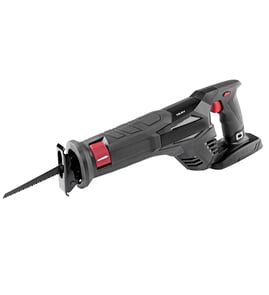

What's the best brand of reciprocating saw?
There is no single “best” brand for every job; the best reciprocating saw brand is the one that fits your cutting needs, comfort, and serviceability. Your Craftsman 900271221 is a dual-speed, double-insulated reciprocating saw designed for general-purpose cutting when paired with the right blade and setup.
How we recommend choosing the “best” brand
Focus on performance and ownership factors that matter in real use:
- Vibration control and comfort: less fatigue during long cuts
- Power and stroke action: faster cutting in thick wood or metal
- Blade change system: tool-free clamps save time
- Durability and serviceability: brushes, bearings, and gears should be maintainable
- Parts availability: easier long-term upkeep
For model-specific operating and safety guidance for the Craftsman 900271221, use the owner's manual.
Match the saw to the work you do most
A “best brand” for demolition work can be different from a “best brand” for metal fabrication.
| Primary use | What matters most | What to look for |
|---|---|---|
| Wood demolition | Speed, aggressive blades | Higher stroke rate, coarse TPI blades |
| Metal cutting | Control, heat management | Slower speed control, fine TPI blades |
| Flush cuts | Access and stability | Adjustable shoe, stable shoe contact |
| Scroll/plunge cuts | Precision | Lower vibration, good grip ergonomics |
Why blade choice often matters more than brand
On the Craftsman 900271221, the right blade type and tooth count (TPI) is what typically determines cut quality and speed. In general:
- Coarse TPI cuts wood faster but rougher
- Fine TPI cuts metal cleaner but slower
- Longer blades help in thick materials and demolition
- Bi-metal blades are a strong all-around choice for mixed materials
Why it matters
A reciprocating saw is only as good as the combination of saw control, blade selection, and safe technique. Choosing a brand based on your most common materials (wood, nails, steel) reduces broken blades, overheating, and operator fatigue.
Last updated: February 2026
Is a 12 amp reciprocating saw powerful enough?
Yes. A 12-amp corded reciprocating saw is powerful enough for most DIY and jobsite cutting, including wood, plastic, and light-to-moderate metal work when you use the right blade and speed. For the Craftsman model 900271221, the dual-speed settings help match power to the material (high for wood, low for metal). See the owner's manual for safe operation details.
What “powerful enough” means in real use
A 12-amp saw typically has plenty of torque for common tasks; performance depends more on blade choice, speed setting, and technique than on amps alone.
- Use high speed for softer materials like wood and plastic.
- Use low speed for metals like sheet metal, pipe, and conduit.
- Keep hands away from the cutting area; never reach under the work.
- Keep the blade sharp; dull blades can cause swerving or stalling.
- Let the saw do the work; forcing the cut overheats the motor and dulls blades.
Quick material and setting guide (model 900271221)
| Material | Recommended speed | What to watch for |
|---|---|---|
| Wood, plastic, composition board | High speed | Use a wood blade; avoid forcing plunge cuts |
| Sheet metal, metal pipe, conduit | Low speed | Use a metal-cutting blade; slower feed rate |
| Mixed materials (wood with nails) | Start low, then adjust | Use a demolition-style blade; expect more vibration |
Common reasons a “powerful” saw still struggles
- Wrong blade type or tooth count for the material
- Dull or bent blade causing binding
- Workpiece not clamped, creating chatter and slow cutting
- Extension cord too light-gauge or too long, reducing voltage at the tool
Why it matters
Matching blade and speed to the material improves cut quality, reduces stalling, and helps protect the motor and switch on your Craftsman 900271221 dual-speed reciprocating saw.
Last updated: February 2026
Is there a difference between a reciprocating saw and a sawzall?
A Sawzall is a brand nickname (commonly used for Milwaukee tools) for a reciprocating saw; the tool type is the same. Your Craftsman model 900271221 is a dual-speed reciprocating saw, so it uses standard reciprocating saw blades and accessories.
What the terms mean
- Reciprocating saw: the generic tool category; a powered saw that cuts with a back-and-forth (reciprocating) blade motion.
- Sawzall: a widely used nickname for a reciprocating saw; many people use it to describe any brand.
- Dual-speed: your Craftsman 900271221 has two speed settings, which helps match cutting speed to the material.
What matters for your Craftsman 900271221
The name you use does not change what fits or how it cuts. What matters is choosing the right blade type and using the correct technique.
- Use fine-tooth blades for metal and thicker steel.
- Use coarse-tooth blades for fast wood cutting.
- Use flush-cut blades when you need to cut close to a surface.
- Keep the shoe firmly against the work to reduce vibration and improve control.
- Let the saw do the work; forcing the cut overheats blades and wears internal parts faster.
Quick blade selection guide
| Material / task | What to use | Why |
|---|---|---|
| Wood (fast demolition) | Coarse-tooth wood blade | Faster cutting, rougher finish |
| Wood or plastic (cleaner cut) | Finer-tooth blade | Smoother cut, less splintering |
| Metal pipe, angle iron | Metal-cutting blade (fine teeth) | Better control and blade life |
| Cutting flush to a surface | Flush-cut blade | Reaches tight spots |
Why it matters
Using the right term helps when you search for parts and blades, but using the right blade and speed is what protects your Craftsman reciprocating saw from excess vibration, overheating, and premature wear. For operating and safety details specific to model 900271221 (including double-insulated tool guidance), use the owner's manual.
Last updated: February 2026
Where can I buy Craftsman replacement parts?
You can buy replacement parts for your Craftsman dual-speed reciprocating saw model 900271221 through Sears PartsDirect and by ordering with your tool’s model number and the part number you need. The fastest way is to use the parts list and diagrams referenced in the 900271221 owner's manual.
Best way to get the right part for model 900271221
Use the identification info the manual calls out so you match the correct version of the tool.
- Find the model number plate on the brush support (the manual notes the model number is located there).
- Write down the model number: 900271221.
- Identify the part description (example: brush, switch, cord, blade clamp).
- Use the exact part number when ordering.
- If you are unsure which part failed, compare your tool to the exploded views in the manual.
What information to have ready when ordering
The manual specifies the key details that prevent wrong-part orders.
| What to provide | Example for this tool | Why it matters |
|---|---|---|
| Model number | 900271221 | Ensures parts match your exact saw |
| Part number | (from parts list) | Identifies the exact replacement |
| Part description | “Brush set”, “switch”, etc. | Helps confirm you picked the right item |
| Item name | Reciprocating saw | Avoids mix-ups with other Craftsman tools |
Why it matters
This saw is double insulated, and the manual stresses that servicing requires care and using original factory replacement parts. Ordering by model and part number helps keep fit, function, and safety consistent with the tool’s design.
Last updated: February 2026
What should you not do with a reciprocating saw?
You should not force the cut, use the wrong blade, cut without securing the work, or run a reciprocating saw in wet conditions. For the Craftsman 900271221 dual-speed reciprocating saw, our key “don’ts” are: don’t expose it to rain or damp locations, don’t operate with a dull blade, and don’t put hands near the cutting area (use the owner's manual safety rules as your baseline).
Safety “don’ts” that prevent injury
- Don’t use the saw in rain, damp, or wet locations.
- Don’t reach under the material or place hands near the cutting area.
- Don’t wear loose clothing, jewelry, or leave long hair unsecured.
- Don’t operate near flammable liquids, fumes, or explosive atmospheres (motors can spark).
- Don’t skip eye protection; add a dust mask when cutting creates dust.
Cutting control “don’ts” that prevent binding and blade breakage
- Don’t force the tool; let the saw cut at its intended rate.
- Don’t cut with a dull blade; dull blades can swerve or stall under pressure.
- Don’t cut with the workpiece loose; clamp or anchor the material first.
- Don’t start pushing hard before the blade reaches full speed.
- Don’t allow the saw to “jump”; keep the shoe firmly against the material whenever possible.
Quick checklist: what to do instead
| If you are about to… | Don’t do this | Do this instead |
|---|---|---|
| Start a cut | Push immediately | Start the motor, reach full speed, then apply light pressure |
| Cut lumber or sheet goods | Hold by hand | Clamp or anchor the work securely |
| Cut in tight areas | Put fingers near the blade path | Keep hands clear; reposition the work or your stance |
| Change blades or adjust | Leave it plugged in | Unplug first, then service/adjust |
Why it matters
Most reciprocating saw problems come from loss of control: forcing the cut, using a dull blade, or cutting unsecured material increases vibration, stalling, and blade breakage. Following the Craftsman 900271221 safety rules also reduces electric shock risk, especially around damp conditions.
Last updated: February 2026