 Owner’s manual




How much does it cost to replace a rubber seal on an LG washing machine?
For an LG front-load washer like model WM1455HWA, replacing the rubber door seal (door boot gasket) typically runs about $150 to $350 total when done professionally; DIY replacement usually costs the price of the seal plus basic supplies. Exact totals depend on labor rates and whether clamps or related parts also need replacement.
Typical cost breakdown
- Part (door boot gasket): commonly $80 to $180
- Labor (service call + install): commonly $100 to $200
- Shop supplies/tax: commonly $10 to $30
- Optional add-ons: hose clamps, door lock/strike, or drain pump cleanout parts if worn or leaking
| Scenario | What you pay for | Typical total |
|---|---|---|
| DIY replacement | Seal + supplies | $80 to $210 |
| Professional replacement | Seal + labor + supplies | $150 to $350 |
| “Leak fix” bundle | Seal + clamps/related parts + labor | $200 to $450 |
What can raise the price on WM1455HWA
- The seal is torn and leaking heavily, requiring extra cleanup and testing
- The seal spring clamp is corroded or distorted and needs replacement
- The door is hard to close because the latch area is worn (sometimes the strike or lock is also replaced)
- The washer has odor or mold buildup, so the tech performs extra cleaning
- The unit is installed in a tight space, increasing labor time
Parts that are commonly replaced at the same time
If the door won’t latch reliably after a seal job, or the latch area is worn, these model-matched parts are common suspects:
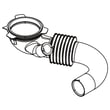
- LG washer door boot MDS66651605
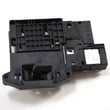
- LG washer door lock EBF61315802
- LG washer door lock strike MFG63099101
Why it matters
A worn door boot gasket can cause leaks, odors, and mildew. Replacing it promptly helps protect the front panel, flooring, and the door lock area from water damage and repeat service calls.
For model-specific guidance on access, clamp placement, and care recommendations, follow the WM1455HWA owner’s manual.
Last updated: February 2026
Is speed wash as good as normal wash?
On the LG WM1455HWA, Speed Wash is as good as Normal only for small, lightly soiled loads. Normal is the better choice for everyday mixed loads because it’s designed for maximum wash performance and fabric care across typical laundry.
Speed Wash vs. Normal: what changes
Speed Wash is built to finish faster, so it works best when the load is limited and soil is light.
- Use Speed Wash for 2 to 3 lightly soiled garments
- Use Normal for cotton, linen, shirts, jeans, and mixed loads (not delicate fabrics)
- Speed Wash typically needs less detergent to prevent oversudsing
- If you want better rinsing on Speed Wash, add an Extra Rinse option
- For heavily soiled items, choose a longer cycle (for example, Heavy Duty)
Quick comparison
| Cycle | Best for | Detergent tip | Typical result |
|---|---|---|---|
| Normal | Everyday mixed loads | Standard amount | Best overall cleaning and fabric care |
| Speed Wash | Small, lightly soiled loads | Use very little | Good cleaning when the load is kept small |
How we recommend choosing (fast checklist)
- Choose Speed Wash when you need clean clothes quickly and the load is small.
- Choose Normal when the load is larger, mixed, or you want the most consistent cleaning.
- If clothes feel soapy after Speed Wash, reduce detergent and add Extra Rinse.
- If stains remain, switch to Normal (or a heavier cycle) and pretreat.
Why it matters
Using Speed Wash for large or dirty loads can leave soil behind or cause detergent residue. Using the right cycle helps cleaning performance, rinsing, and fabric life.
For cycle details and default settings, follow the WM1455HWA manual.
Last updated: February 2026
Is the LG WM1455HWA washing machine any good?
Yes. The LG WM1455HWA is a solid, compact front-load washer with strong performance specs for its size, including up to 1400 RPM spin speed and a 24-inch-wide cabinet that fits tighter laundry spaces. For best results, follow the cycle and care guidance in the WM1455HWA owner's manual.
What “good” looks like for this model
From the model specifications, this washer is built to deliver efficient washing and strong water extraction (faster drying times) while fitting smaller footprints.
- Compact 24-inch width for apartments and closets
- High max spin speed (1400 RPM) for better water removal
- Standard U.S. electrical requirement (120 VAC, 60 Hz)
- Designed for typical home water pressure ranges
- Includes key usability features like a detergent dispenser drawer and drain pump filter access
Key specs at a glance (WM1455HWA)
| Spec | What to expect | Why it matters |
|---|---|---|
| Dimensions (W x H x D) | 24 in x 33 1/2 in x 22 in | Helps confirm fit in tight spaces |
| Max depth with door open | 42 in | Ensures you have clearance to load/unload |
| Max spin speed | 1400 RPM | Higher spin reduces remaining moisture |
| Water pressure | 20 to 120 psi | Prevents fill issues and valve stress |
| Net weight | 154.3 lb | Impacts moving, pedestal use, and flooring |
How to judge if it is “good” for your laundry needs
Use these quick checks to match the washer to your household:
- Space: Measure the opening and include door-swing clearance.
- Drying time goals: Higher spin helps clothes come out less wet.
- Water supply: Confirm your home pressure is within 20 to 120 psi.
- Maintenance comfort: Plan to clean the drain pump filter periodically.
- Noise and vibration: Leveling feet setup matters; re-level if it walks.
Why it matters
A washer can be “good” on paper but frustrating in real life if it does not fit the space, is not leveled, or is connected to restricted water supply. Getting installation, loading, and maintenance right protects parts like the drain pump and door lock.
Last updated: February 2026
What are the disadvantages of an LG top load washing machine?
LG top load washers can be less gentle on some fabrics, may struggle more with bulky load balance, and often use more water than comparable front load designs. For your LG WM1455HWA washer (a high-efficiency model), low water levels are normal and not a performance problem; see the WM1455HWA owner's manual.
Common disadvantages customers notice
- More frequent out-of-balance shaking with blankets, towels, and mixed loads
- Lower cleaning performance on heavily soiled items compared to many front load washers
- Higher water use than many front load high-efficiency washers
- Harder-to-clean tub and dispenser areas if routine maintenance is skipped
- More wear risk on delicate items if cycles and options are not matched to fabric care labels
What to do to reduce the downsides
We use these setup and usage habits to prevent most complaints (vibration, poor cleaning, and “not enough water” concerns):
- Sort by fabric weight; wash towels and sheets separately
- Load loosely; do not pack items down
- Use HE detergent and measure carefully (too much causes residue and odor)
- Level the washer and keep it stable on the floor
- Run regular cleaning/maintenance cycles and wipe seals and dispensers
Top load vs front load: quick comparison
| Topic | Top load (typical) | Front load (typical) |
|---|---|---|
| Water use | Higher | Lower |
| Cleaning heavy soil | Good | Often better |
| Vibration sensitivity | Higher with bulky loads | Lower when properly leveled |
| Fabric care | Can be rougher | Often gentler |
Why it matters
Most “disadvantages” come down to load balance and water expectations. High-efficiency washers can run with much lower water levels than you expect while still cleaning well, and correct loading and leveling prevents vibration and performance issues.
Last updated: February 2026
What is the average lifespan of an LG washer?
Most LG washers, including model WM1455HWA, typically last 10 to 15 years with normal household use and basic maintenance. Consistent cleaning, correct loading, and quick attention to leaks, draining issues, or door-lock problems are what most often determine whether you land closer to 10 years or 15+.
What affects lifespan the most
- Load size and balance: frequent overloading and chronic out-of-balance spinning shortens tub, bearing, and suspension life.
- Water quality: hard water increases detergent buildup and can contribute to odor and residue.
- Drain health: restricted draining strains the drain pump and can leave standing water.
- Door system wear: repeated slamming or misalignment can wear the lock and strike.
- Routine maintenance: regular cleaning reduces mold, residue, and corrosion.
Maintenance checklist to reach the high end of the range
Use the care and cleaning guidance in the WM1455HWA owner's manual.
- Run the washer’s tub-clean/maintenance cleaning routine on schedule.
- Leave the door slightly open between loads to dry the door boot.
- Clean the drain pump filter area periodically; replace the plug if it won’t seal (see washer drain pump filter drain hose plug 5006EN3015A).
- Check inlet hoses for bulges or leaks and keep the inlet screens clear.
- If the door won’t lock reliably, inspect the strike and lock alignment (see LG washer door lock EBF61315802 and LG washer door lock strike MFG63099101).
Quick expectations by component
| Item | Typical expectation | What you’ll notice first |
|---|---|---|
| Washer overall | 10 to 15 years | More noise, longer cycles, more vibration |
| Drain pump | Often 5 to 10 years | Won’t drain, humming, intermittent draining |
| Door lock/strike | Varies by use | Door won’t lock, cycle won’t start |
Why it matters
A front-load washer like the LG WM1455HWA depends on good draining, a tight door seal, and stable high-speed spinning. Keeping those systems clean and aligned prevents the most common wear patterns that shorten service life.
Last updated: February 2026
What is the most common problem with LG washers?
The most common problems we see with LG washers like model WM1455HWA are drainage and out-of-balance issues: slow or no draining from a kinked/clogged drain path, and heavy vibration from uneven loading. Odor and door-seal buildup are also common on front-load designs.
Most common issues (and what usually causes them)
- Water won’t drain or drains slowly: drain hose kinked/pinched/clogged; drain height too high (the hose end must be below about 96 inches from the washer base).
- Excessive shaking or walking: unbalanced load, overloaded drum, or leveling legs out of adjustment.
- Musty odor or visible residue: moisture trapped around the door boot and detergent buildup.
- Filling noises (banging): household plumbing water hammer when the inlet valve shuts off.
- Fill problems or long fill times: restricted supply, kinked hoses, or inlet screens clogged.
Quick checks we recommend first (WM1455HWA)
- Confirm draining basics using the troubleshooting steps in the WM1455HWA owner's manual.
- Inspect the drain hose for kinks and make sure it is not pinched behind the washer.
- Verify the standpipe or sink drain height; keep the drain hose outlet under 96 inches.
- Rebalance the load (mix sizes, avoid one heavy item) and reduce load size if the drum is tightly packed.
- If you suspect a drain restriction at the pump area, clean out debris and check the pump/filter path.
Parts that commonly relate to these symptoms
| Symptom | Common area | Example part for WM1455HWA |
|---|---|---|
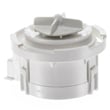
| Won’t drain / drains slowly | Drain pump or blockage | Washer drain pump AHA75853804 |
| Door won’t lock / won’t start | Door lock system | LG washer door lock EBF61315802 |
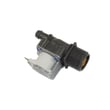
| Slow fill / no fill | Water inlet valve | Washer water inlet valve 5220FR2006Z |
Why it matters
Drain and balance problems can stop a cycle mid-stream, leave clothes soaking wet, and strain components over time. Fixing hose routing, load size, and basic maintenance usually restores normal performance quickly.
Last updated: February 2026


