
Do you leave the filter in a wet dry vac when vacuuming water?
For a Craftsman wet/dry vacuum model 75817960, we remove the dry paper cartridge filter (and any dust bag) before picking up water. For wet pickup, use the foam sleeve style filter if your vac uses one, or run without the paper filter so it does not get soaked, swell, or grow mold.
- Unplug the wet/dry vacuum before changing filters.
- Remove the paper cartridge filter and any disposable dust bag.
- Install a foam sleeve filter if your setup supports wet pickup.
- Confirm the float shutoff moves freely (it stops suction when the tank is full).
- Empty and rinse the tank after wet pickup; dry it completely.
| Pickup type | Filter setup | Why |
|---|---|---|
| Water, puddles, spills | Foam sleeve filter (or no paper filter) | Prevents paper filter damage and musty odors |
| Fine dust, drywall dust | Paper cartridge filter (dry only) | Best airflow and filtration for dry debris |
| Mixed mess (damp debris) | Treat as wet pickup | Paper filters clog fast when damp |
A wet paper filter restricts airflow, can tear or deform, and can hold moisture that leads to odors and mildew inside the tank and motor head area. Using the correct wet pickup setup protects suction performance and helps the vacuum last longer.
- Dump the tank promptly.
- Rinse and dry the tank, hose, and any foam filter.
- Let the motor head and tank air-dry before reassembly.
For more DIY safety basics while troubleshooting electrical parts (like switches or cords), use our guide: are diy appliance repairs safe.
Last updated: February 2026
What is the list of vacuum cleaner parts?
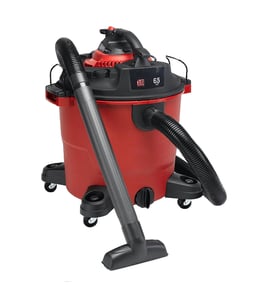
For the Craftsman 75817960 wet/dry vacuum, the parts list is the set of components that create suction, capture debris, and move air safely through the tank. It typically includes the motor and power components, filtration parts, the hose and attachments, and seals and latches that keep the vacuum airtight.
- Motor and fan (impeller) assembly
- Power cord, switch, and internal wiring
- Filter (cartridge style) and filter cage/retainer
- Collection tank (drum) and lid (power head)
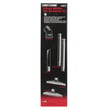
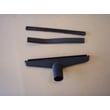
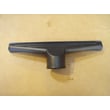
- Hose, wands, and nozzles (utility nozzle, crevice tool)
- Casters/wheels and axle hardware
- Gaskets, seals, latches, and clamps
Use these identifiers to avoid ordering the wrong item:
| What to check | Where to find it | Why it matters |
|---|---|---|
| Model number: 75817960 | Rating label on the vacuum | Confirms the correct parts breakdown for your Craftsman wet/dry vacuum |
| Part name (example: “filter”, “hose”, “switch”) | In the parts list/diagram | Helps you pick the correct component group |
| Measurements and connection style | On the old part (diameter, tabs, latch style) | Wet/dry vac hoses and filters often vary by fit, not just by name |
Wet/dry vacuums rely on an airtight airflow path. A worn filter, cracked hose, or flattened gasket can reduce suction, let fine dust bypass filtration, or cause the motor to run hotter than it should.
If you are unsure where the model label is or what the numbers mean, use our guide: how to find your appliance model number (and what it means for parts).
Last updated: February 2026
Why is my CRAFTSMAN vacuum not suctioning?
Your Craftsman wet/dry vacuum model 75817960 usually loses suction because airflow is restricted (clog, full tank, dirty filter) or there is an air leak (hose, lid, gasket). Restoring suction is typically a quick clean-out and seal check.
- Empty the tank; wet/dry vacs lose airflow fast when the canister is full.
- Clean or replace the filter; a clogged filter is the most common cause of weak suction.
- Check the hose for a clog; remove the hose and look through it end-to-end.
- Inspect the inlet port (where the hose connects) for debris.
- Confirm the lid is seated and the latches are fully closed.
- Look for cracks or loose fittings on the hose, wand, and attachments.
- Unplug the vacuum.
- Remove the hose and filter.
- Briefly run the vacuum with no hose attached (keep hands clear of the inlet).
- Compare suction:
| Test result | What it points to | What to do next |
|---|---|---|
| Strong suction at the inlet | Hose or attachment restriction/leak | Clear hose, replace cracked hose/ends |
| Weak suction at the inlet | Filter, lid seal, or motor/impeller issue | Refit/replace filter, check lid gasket and canister rim |
| Suction improves with filter removed | Filter is restricted or wrong type | Clean or install the correct dry/wet filter |
Low suction is almost always an airflow problem. A blocked filter or hose makes the motor work harder, reduces pickup, and can shorten motor life over time.
For safe troubleshooting habits and tool basics (multimeter use, wire checks), use our DIY resources like are diy appliance repairs safe and must have tools for appliance repair.
Last updated: February 2026
Where to find model number on CRAFTSMAN Wet Dry Vac?
On your Craftsman wet/dry vacuum, the model number is on the rating label (a printed sticker or tag) attached to the motor/powerhead or the tank. For this parts listing, the model number you want to match is 75817960.
- On the motor/powerhead housing, near the carry handle
- Near the on/off switch area
- By the cord wrap or where the power cord enters the powerhead
- On the outside of the tank/drum, close to the top rim
- On the underside of the powerhead (lift the powerhead off the tank and look around the base)
Most labels include a “MODEL” line and electrical ratings.
| Label item | What it means | Why you need it |
|---|---|---|
| MODEL | The exact model identifier | Matches the correct parts diagrams and part fit |
| SERIAL | Production identifier | Helps distinguish units made in different runs |
| Volts/amps | Electrical rating | Useful when diagnosing power or motor issues |
- Clean dust off the label with a damp cloth and let it dry.
- Use a flashlight and take a close-up photo; zooming in often reveals faded print.
- Check for a second label on the powerhead; many wet/dry vacs have more than one.
- If you find multiple numbers, use the one explicitly labeled MODEL.
Craftsman wet/dry vac parts (filters, hoses, latches, switches, casters) often look similar across sizes; using the exact model number prevents ordering a part that does not fit.
For a visual walkthrough of where model labels are commonly located, use how to find your appliance model number (and what it means for parts).
Last updated: February 2026