
How to find air compressor model number?
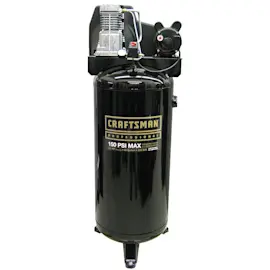
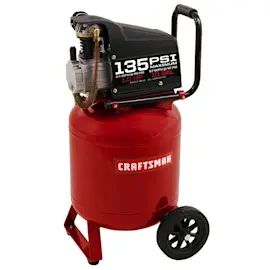
For a Craftsman twin-cylinder tank-type air compressor, the model number is printed on the unit’s ID label (often a metal or foil placard) and is usually stamped or clearly printed. For this model page, the model number you want to match is 106171941.
Where to look on the compressor
Check these common spots first (in order):
- On the tank near the drain valve or along the side of the tank
- On the pump/motor frame or the base plate
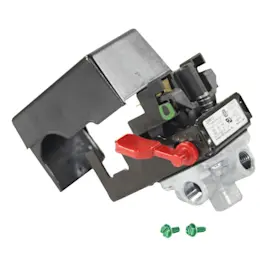
- Near the pressure switch cover or control panel area
- On the rear of the unit near the power cord entry
- Under a handle or behind a removable shroud/guard
What the label typically includes
Most air compressor ID labels include several fields. Use the model number field for parts lookup.
| Label field | What it means | Use it for parts? |
|---|---|---|
| Model number | The exact unit identifier (example: 106171941) | Yes |
| Serial number | Unique number for your specific unit | No |
| PSI / max pressure | Operating limit | No |
| Voltage / amps / HP | Electrical and motor info | Sometimes (diagnostics) |
| Tank size | Capacity (gallons) | No |
Tips to avoid mix-ups when ordering parts
- Match the model number exactly, including any dashes or extra digits.
- If the label is worn, take a clear photo and zoom in; angled light helps reveal stamped characters.
- If you find multiple numbers, prioritize the one labeled MODEL.
- Use the model number to search parts by model on Sears PartsDirect.
Why it matters
Craftsman air compressors can look similar across different production runs, but internal parts like the pressure switch, regulator, check valve, and pump components can vary by model number. Using the correct model number prevents ordering the wrong replacement part.
Last updated: February 2026
Is a 20 gallon air compressor big enough for air tools?
Yes. A 20-gallon compressor is big enough for many common air tools in a home garage, especially when you use tools in short bursts. For continuous-use tools, the limiting factor is usually the compressor’s delivered airflow (CFM at 90 PSI), not the tank size, so you may need recovery time between cycles.
What a 20-gallon tank handles well
A 20-gallon tank gives you a useful air reserve, which helps smooth out pressure drops during intermittent work.
- Brad/finish nailers and staplers
- Blow gun for cleanup and inflating tires
- Light to moderate impact wrench use (short bursts)
- Small touch-up spray work (short passes)
- Short, occasional ratchet use
Where a 20-gallon compressor can struggle
High-demand tools can outrun the pump’s ability to keep up, even with a larger tank.
- Die grinders and cutoff tools (often near-continuous airflow)
- DA sanders and air sanders (steady, high CFM)
- HVLP spray guns for full panels (long, continuous spraying)
- Media blasting (very high, sustained airflow)
Quick sizing guide (tank vs. airflow)
Use this as a practical rule of thumb when pairing tools with a Craftsman 106171941 twin-cylinder tank-type air compressor.
| Tool type | Typical demand | 20-gallon result |
|---|---|---|
| Nailers/inflation | Low CFM | Runs comfortably |
| Impact/ratchet | Medium CFM | Works in bursts; pauses to recover |
| Grinder/sander/blaster | High CFM | Often falls behind; frequent waiting |
Why it matters
Tank size mainly affects how long you can work before pressure drops; CFM determines whether you can work continuously. If your tool needs more CFM than the compressor can deliver, the motor will run constantly, heat builds up, and performance drops.
How we recommend you match tools to your compressor
- Check the tool’s required CFM at 90 PSI (or its stated operating pressure)
- Compare that to your compressor’s CFM rating at 90 PSI
- Plan for duty cycle: continuous tools need extra airflow headroom
- Use the shortest, largest-diameter hose you can (reduces pressure drop)
- Add an in-line regulator and water separator for painting and air tools
For help confirming you have the correct model number before shopping for maintenance items and accessories, use how to find your appliance model number (and what it means for parts).
Last updated: February 2026
What is the most common cause of air compressor failure?
The most common cause of failure on a Craftsman 106171941 twin-cylinder tank-type air compressor is preventable maintenance and cooling issues: dirty intake filtration, poor lubrication (old or low oil on oil-lube pumps), and overheating from restricted airflow. These conditions accelerate wear on bearings, valves, and the pump.
Most common failure drivers (what we see most often)
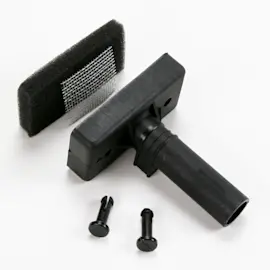
- Restricted intake airflow: clogged or missing air filter makes the pump run hotter and work harder.
- Lubrication breakdown: low oil level, wrong oil type, or contaminated oil increases friction and bearing wear.
- Overheating: blocked cooling fins, poor ventilation, or long run times can damage internal components.
- Moisture and corrosion: water left in the tank promotes rust and can contaminate air tools.
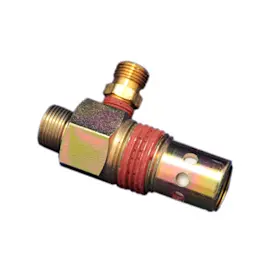
- Leaks that force constant running: fittings, drain valve, check valve, or hose leaks keep the unit cycling.
Quick checks you can do safely
- Unplug the compressor and let it cool completely.
- Inspect and clean the pump cooling fins and surrounding vents.
- Check for air leaks using soapy water on fittings and valves (bubbles indicate a leak).
- Drain the tank fully; watch for excess water or rusty discharge.
- If your pump is oil-lubricated, verify the oil level and condition (dark or gritty oil signals trouble).
Symptoms and likely causes
| Symptom | Most likely cause | What to do first |
|---|---|---|
| Runs hot, shuts off | Restricted airflow, overheating | Clean fins, improve ventilation |
| Runs constantly | System leak, bad check valve | Soap-test fittings, listen for hissing |
| Low pressure output | Intake restriction, valve wear | Check filter area, inspect for leaks |
| Loud knocking | Lubrication issue, bearing wear | Check oil level/condition, stop use |
Why it matters
When the compressor runs hot or dry, internal friction rises fast. That turns a simple maintenance issue (filter, oil, airflow, draining the tank) into major pump damage and shortened compressor life.
For general repair safety practices before troubleshooting electrical components, follow are diy appliance repairs safe.
Last updated: February 2026