Owner’s manual
 Error Codes


Can I replace fridge parts myself?
Yes. On the LG LRFVS3006D, we can safely replace many “bolt-on” or maintenance parts ourselves (filters, gaskets, some dispenser and ice components) by following the steps in the LRFVS3006D owner’s manual and using the correct replacement part for the model.
Good DIY repairs vs. pro-only repairs
Many refrigerator fixes are straightforward; others involve the sealed refrigeration system and should be handled by a qualified technician.
DIY-friendly (typical):
- Water filter and air filter replacement
- Door gaskets and door bins
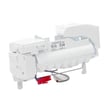
- Ice bin, ice room door parts, and some dispenser components
- Basic cleaning and airflow maintenance (condenser cover and vents)
Usually pro-only:
- Sealed system work (refrigerant, evaporator, condenser tubing)
- Compressor replacement and refrigerant charging
- Electrical diagnosis beyond basic checks
Quick DIY safety checklist (before you start)
- Unplug the refrigerator or turn off power at the breaker.
- Shut off the water supply if you’re working on the dispenser, filter head, or inlet valve.
- Protect floors and use two people when moving the unit.
- Take photos of wire connectors and tubing routing before disconnecting anything.
- Use the model-specific instructions and diagrams to avoid damaging trim or clips.
Common parts we replace on this model
If your issue matches one of these, DIY is often realistic:
| Repair task | Example compatible part for LRFVS3006D | Typical difficulty |
|---|---|---|
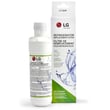
| Replace water filter | LG lt1000p refrigerator water filter ADQ74793501 | Easy |
| Replace fresh air filter | LG kenmore refrigerator air filter ADQ73214408 | Easy |
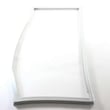
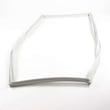
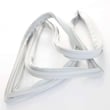
| Fix frost or poor sealing at freezer | LG refrigerator freezer door gasket MDS38201426 | Medium |
Why it matters
DIY replacement can restore cooling performance, reduce odors, and prevent leaks or ice maker issues while saving on service costs. The key is matching the part to LG LRFVS3006D and avoiding sealed-system repairs.
Last updated: January 2026
What's the most common problem with LG refrigerators?
For LG refrigerators like model LRFVS3006D, the most common service issue we see is cooling problems (refrigerator or freezer not staying cold). Many “not cooling” complaints trace back to airflow restrictions (dirty condenser area, blocked vents) or a sealed-system/compressor-related failure.
What to check first on LRFVS3006D
Start with the simple, high-impact items in the troubleshooting section of the LRFVS3006D owner's manual.
- Confirm the control panel is not showing OFF (Display/Demo Mode disables cooling)
- Make sure doors fully close and gaskets seal all the way around
- Check that interior air vents are not blocked by food packages
- Allow up to 24 hours after installation or power loss for temperatures to stabilize
- Clean the condenser cover and vents (do not remove the rear/bottom panel)
Common symptoms and likely causes
| Symptom | Most common cause | What to do next |
|---|---|---|
| Fridge warm, freezer warm | Cooling system not running or restricted airflow | Check “OFF” mode, door sealing, condenser airflow |
| Freezer cold, fridge warm | Airflow issue between compartments | Clear vents, check for frost buildup, listen for fan |
| Loud buzzing/clicking | Icemaker valve buzzing (no water) or normal cycling | Turn icemaker off if not connected to water |
| Ice/water issues with normal cooling | Filter/valve/ice room issues | Check filter age and water pressure |
Parts that often relate to these problems
If troubleshooting points to a specific component, these are common “next-step” parts for this model family:
- Refrigerator compressor TCA36811409 (sealed-system cooling component)
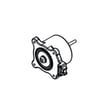
- LG refrigerator condenser fan motor EAU65058502 (moves air across the condenser to remove heat)
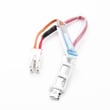
- Refrigerator defrost sensor assembly 6615JB2005R (helps manage defrost and prevent frost-related airflow blockage)
Why it matters
Cooling problems can quickly lead to food spoilage and can also trigger secondary symptoms like weak ice production, excess frost, or long run times. Catching airflow and maintenance issues early can prevent bigger failures.
Last updated: January 2026
Why is my LG bottom freezer frosting up?
Frost buildup in the freezer on your LG LRFVS3006D is most often caused by warm, humid air leaking past the freezer drawer seal or by a defrost drain issue that lets moisture refreeze. Use the checks below to narrow it down; see the LRFVS3006D owner's manual for model-specific operating and care guidance.
Quick checks that fix most frosting
- Make sure the freezer drawer closes fully and is not blocked by food packages or an overfilled bin.
- Inspect the door gasket for gaps, tears, or areas that feel stiff and no longer compress.
- Wipe the gasket and mating surface clean; sticky residue can prevent a tight seal.
- Reduce long door openings; humid air turns into frost quickly.
- Confirm the freezer is set to the normal target temperature (0°F).
- Keep interior air vents clear so cold air can circulate.
If you see a sheet of ice on the freezer floor
A solid ice layer on the bottom often points to a clogged or frozen defrost drain. Defrost water cannot flow away, so it refreezes and eventually contributes to frost.
Safe first step: unplug the refrigerator and let it fully defrost with the doors open. Use towels to protect flooring. Avoid sharp tools or high heat.
Parts that can be involved
If you find the freezer drawer gasket is damaged or will not seal even after cleaning and warming it, replacement may be needed. For this model, one listed option is the LG refrigerator freezer door gasket MDS38201426.
If frost returns quickly after a full defrost and the gasket is sealing well, the issue can be in the defrost sensing or control side. A commonly related component is the refrigerator defrost sensor assembly 6615JB2005R.
| Frost pattern | Most likely cause | What we recommend first |
|---|---|---|
| Frost mainly around door edge | Door not sealing or not closing | Inspect gasket, clear obstructions, check alignment |
| Ice sheet on freezer floor | Drain not clearing | Full defrost, then monitor for recurrence |
| Heavy frost returns fast | Defrost system problem | Check for error codes, consider service diagnosis |
Why it matters
Excess frost restricts airflow, makes the compressor run longer, and can cause temperature swings that affect food quality and ice production.
Last updated: January 2026
Are LG refrigerators expensive to repair?
Yes, LG refrigerator repairs can be expensive; on LG model LRFVS3006D, the highest bills typically come from cooling-system work (compressor or sealed-system service) and complex ice and water dispenser issues. Routine maintenance items like filters are usually lower-cost and often DIY.
What drives repair cost on LRFVS3006D
This model is a French door refrigerator with a bottom freezer; repairs vary widely based on whether the issue is a simple component swap or a refrigerant-related sealed-system job. For model-specific operating and maintenance details, use the LRFVS3006D owner's manual.
- Sealed-system repairs (refrigerant handling, leak repair, brazing)
- Compressor replacement and related diagnostics
- Ice maker and dispenser mechanisms (motors, switches, door components)
- Water supply issues (valves, tubing, fittings, filter head)
- Preventive maintenance (air filter, water filter, condenser cleaning)
Typical cost impact by repair type
| Repair area | Typical cost impact | DIY-friendly? |
|---|---|---|
| Air filter and water filter replacement | Low | Yes |
| Water inlet valve or tubing/fitting leak | Medium | Sometimes |
| Ice maker or dispenser component | Medium | Sometimes |
| Fan motors, sensors, control issues | Medium | Sometimes |
| Compressor or sealed-system work | High | No |
Parts that commonly relate to higher-cost symptoms
If you are diagnosing common “no ice,” “slow water,” “warm temps,” or “odor” complaints on LRFVS3006D, these model-matched parts are often involved:
- Refrigerator compressor TCA36811409 (cooling failures, not DIY)
- Refrigerator water inlet valve MJX64471402 (no water, slow fill, ice maker fill problems)
- LG lt1000p refrigerator water filter ADQ74793501 (low flow, taste/odor, dispenser performance)
- Fresh air filter ADQ73214408 (odor control)
Why it matters
Separating maintenance issues (filters, airflow, cleaning) from true cooling-system failures helps you avoid unnecessary service calls and focus your budget on the repairs that actually restore temperature control and ice production.
Last updated: January 2026