
What is the lifespan of a line trimmer?
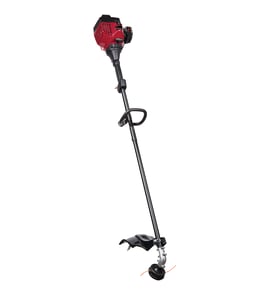
A gas-powered line trimmer like the Craftsman 316795110 typically lasts 8 to 12 years for most homeowners when it gets regular maintenance (fresh fuel, clean air filter, and correct cutting line). In heavy, daily use, lifespan is better measured in engine hours.
Typical lifespan ranges (what we see most often)
- Homeowner use (weekly/seasonal): 8 to 12 years
- Prosumer or frequent property use: 5 to 8 years
- Commercial daily use: about 900 to 1,200+ engine hours with consistent upkeep
| Usage pattern | Best way to measure life | Typical expectation |
|---|---|---|
| Occasional homeowner | Calendar years | 8 to 12 years |
| Frequent homeowner | Calendar years | 5 to 8 years |
| Commercial/contractor | Engine hours | 900 to 1,200+ hours |
What shortens a trimmer’s life fastest
- Running old fuel or incorrect fuel mix (2-cycle engines)
- Dirty or damaged air filter
- Overheating from clogged cooling fins or heavy, continuous cutting
- Using the wrong diameter line or forcing the head into thick brush
- Skipping tune-ups (spark plug, fuel filter, carburetor cleaning)
Maintenance that extends lifespan
- Use fresh fuel; empty the tank or stabilize fuel before storage
- Clean or replace the air filter regularly
- Inspect and replace the spark plug on schedule
- Keep the cutting head clean; replace worn bump knob and spool parts as needed
- Check for cracked fuel lines and loose fasteners before each season
Why it matters
A trimmer that is near end-of-life often starts hard, stalls at idle, or loses power under load. Staying ahead of fuel-system and airflow maintenance usually restores performance and delays major repairs.
For help confirming the exact model number before ordering parts, use how to find your appliance model number (and what it means for parts).
Last updated: February 2026
Can I use .095 trimmer line?
Yes, you can often use 0.095-inch trimmer line on a Craftsman 316795110 gas-powered line trimmer if the cutting head is rated for that diameter; it is a thicker line that holds up better in heavy weeds but can reduce RPM and increase fuel use compared to thinner line.
Quick fit check (before you buy or spool)
- Check the trimmer head label or spool spec for the maximum line diameter.
- If your head is designed for 0.080-inch line, 0.095-inch may bind in the eyelets or jam during feed.
- If your head supports 0.095-inch, use the correct length per side to prevent tangles.
- If the trimmer bogs down after switching, step back down to 0.080-inch.
- Replace worn eyelets or a damaged bump knob if line feeding becomes inconsistent.
What changes when you move up to 0.095-inch line
| Line diameter | Best for | Tradeoffs |
|---|---|---|
| 0.065 in | Light grass, edging | Wears faster in thick growth |
| 0.080 in | Most trimming | Good balance of cut and engine load |
| 0.095 in | Heavy weeds, tougher stems | More engine load; can reduce line feed reliability |
Why it matters
Line diameter affects cutting efficiency, engine load, and how reliably the bump-feed (or fixed-line) head advances line. Using the thickest line your head is designed for helps durability without causing jams or poor performance.
Helpful tip for finding the right spec fast
If you are unsure which head is installed on your 316795110, match the model number and then confirm the head style and line size using how to find your appliance model number (and what it means for parts).
Last updated: February 2026
Who makes the best .095 trimmer line?
For a Craftsman 316795110 gas-powered line trimmer, the “best” .095 trimmer line is the one that matches your cutting conditions: twisted or serrated line for heavy weeds, and round line for everyday trimming with smoother feeding. Many owners prefer premium, abrasion-resistant lines for longer life between reloads.
What to buy (quick guide)
- Heavy weeds, thick grass: twisted, square, or serrated .095 line for more bite
- General lawn edging: round .095 line for smoother feeding and less vibration
- Rocky or fence-line trimming: high-durability line to reduce breakage
- Long trimming sessions: larger spool length to reload less often
- If your head jams often: choose a smoother round line and avoid oversized “aggressive” profiles
Common .095 line types compared
| Line type | Best for | Tradeoff |
|---|---|---|
| Round | Everyday trimming, best feed reliability | Less aggressive cutting in thick weeds |
| Twisted | Quieter, efficient cutting | Can wear faster on rocks |
| Square/serrated | Tough weeds, fast cutting | More drag; can increase fuel use |
Fit and performance tips for model 316795110
- Stick with .095 inch if your trimmer head is designed for it; going thicker can cause poor feeding.
- Cut clean line ends before loading; frayed ends increase tangles.
- If line welds together in the spool, reduce run time at full throttle when not cutting and store line in a sealed bag with a little humidity.
Why it matters
The right .095 line helps your Craftsman trimmer cut cleaner, feed more consistently, and reduce downtime from breakage or reloading, especially when trimming along concrete, chain link, or dense growth.
Finding the right line and head parts
To match the correct line size and any compatible trimmer head components for your exact setup, use your model number (316795110) when searching on Sears PartsDirect.
Last updated: February 2026
How to replace line on Craftsman gas trimmer?
To replace the trimmer line on your Craftsman gas-powered line trimmer model 316795110, we wind new line onto the bump head spool evenly and in the correct direction so it feeds smoothly and does not tangle.
Before you start (safety and setup)
- Shut the engine off and let it cool completely.
- Disconnect the spark plug wire to prevent accidental starting.
- Clean grass and debris off the trimmer head so the spool can seat correctly.
- Use the correct diameter line for your head (most bump heads use 0.080 in to 0.095 in line).
How to reload the bump head line (common Craftsman style)
- Remove the spool: Press the tabs on the head (or unscrew the cap, depending on the head style) and lift the spool out.
- Cut two equal lengths of line (many heads use two pieces, often 10 to 15 ft each).
- Anchor the line in the spool: Insert each line end into the spool’s retaining hole/slot.
- Wind tightly and evenly in the direction of the arrow on the spool.
- Keep the wraps side-by-side.
- Do not overlap; overlapping is what causes tangles and feed problems.
- Leave tails: Stop winding with about 4 to 6 in of line left on each end.
- Thread the tails through the eyelets on the trimmer head.
- Reinstall the spool and cap, then pull both line ends to confirm they move freely.
Quick checks if the line will not feed
- Line is crossed or overlapped on the spool; rewind with neat, parallel wraps.
- Wrong line size; too thick binds, too thin can weld or snap.
- Spool installed backward; remove and reseat it correctly.
- Eyelets are worn; sharp edges can cut line and cause constant breakage.
Typical line setup (helpful reference)
| Item | Typical range | What it affects |
|---|---|---|
| Line diameter | 0.080 in to 0.095 in | Feed reliability and cutting power |
| Line length per side | 10 ft to 15 ft | Runtime between reloads |
| Tail length after install | 4 in to 6 in | Proper startup and trimming |
Why it matters
A properly wound spool prevents binding, reduces line breakage, and makes bump-feed work consistently, which protects the trimmer head and keeps cutting performance steady.
For more help identifying the exact head style used on your unit, use how to find your appliance model number (and what it means for parts) to confirm you are shopping and troubleshooting by the correct model.
Last updated: February 2026
Which is better, .080 or .095 trimmer line?
For a Craftsman gas-powered line trimmer like model 316795110, neither size is “better” universally; the better choice is the largest diameter your trimmer head is designed to accept. In general, .080-inch feeds easier and is ideal for routine edging, while .095-inch lasts longer in heavy weeds but only if the head supports it.
Quick comparison: .080 vs .095 trimmer line
| Line size | Best for | What you’ll notice | Watch-outs |
|---|---|---|---|
| .080 in | Regular grass, weekly edging | Smooth feeding, less engine load | Breaks faster in thick weeds |
| .095 in | Heavy grass, weeds, fence lines | More durability, fewer breaks | Can bog the engine or jam if the head is not rated for it |
How we recommend choosing for model 316795110
Use these rules so you do not overload the trimmer head or clutch:
- Start with the line size listed on the trimmer head, spool, or bump knob; that is the correct diameter for your setup.
- Choose .080 when you want easier feeding and you mostly cut maintained lawn edges.
- Choose .095 only when your head is rated for .095 and you routinely cut thicker weeds.
- If the engine bogs, the line welds together on the spool, or feeding becomes inconsistent, step down in diameter.
- If line snaps constantly in normal grass, switch to fresh line first; old line turns brittle and breaks.
Setup tips that improve cutting and line life
- Keep the line at the correct length; let the guard’s cutter trim it.
- Avoid grinding concrete and chain link; that destroys any diameter quickly.
- Store line sealed with a little moisture (or soak it briefly before use) to reduce brittleness.
Why it matters
Line diameter changes cutting durability, feed reliability, and engine load. Using a diameter larger than the head is designed for can cause jams, poor feeding, and extra wear.
For help confirming the exact model number before buying supplies, use how to find your appliance model number (and what it means for parts).
Last updated: February 2026