View engine



How many years should a snowblower last?
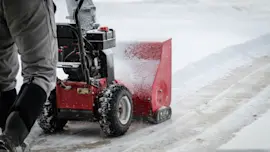
A gas snowblower like the Craftsman 536885010 typically lasts 15 to 20 years with normal residential use and consistent maintenance. Heavy use, wet salty conditions, and running worn wear-parts (like the scraper bar) can shorten lifespan; timely part replacement extends it.
Typical lifespan (what to expect)
Most two-stage gas snowblowers fall into these ranges:
| Usage and care level | Typical lifespan | What usually ends it |
|---|---|---|
| Light use, stored dry, maintained yearly | 20 years | Corrosion, age-related wear |
| Average use, basic upkeep | 15 to 20 years | Drive/auger wear, carb issues |
| Heavy use, poor storage, infrequent service | 10 to 15 years | Rust, drivetrain wear, repeated breakdowns |
What extends the life of your Craftsman 536885010
- Change engine oil on schedule and use fresh fuel (or drain fuel for storage).
- Keep shear pins, belts, and friction drive components in good condition.
- Rinse off salt and slush; dry the machine before storage to prevent rust.
- Check fasteners and linkages; replace worn hardware before it damages larger assemblies.
- Replace wear items early, especially the scraper bar 1739239BMYP when it’s rounded or uneven.
Signs it’s time to repair vs replace
We recommend repairing when the machine is structurally sound and the fix is straightforward:
- It still starts reliably (or only needs routine fuel-system service).
- Auger/impeller housing is solid (no major rust-through or cracks).
- Drive system works after adjustment or common wear-part replacement.
Replacement makes more sense when:
- The housing/frame is severely rusted or cracked.
- Multiple major drivetrain parts are failing at once.
- Repairs approach the value of a comparable working unit.
Why it matters
A snowblower’s “life” is usually limited by corrosion and drivetrain wear, not the engine alone. Replacing wear parts on time helps protect higher-cost components and keeps throwing performance consistent.
Last updated: February 2026
How old is my Craftsman snowblower serial number lookup?
Your Craftsman snowblower’s age comes from the serial number date code on the ID tag. For Craftsman model 536885010, find the serial number, match its format to the decoding style below, then translate the coded month, day, and year to estimate the build date.
Find the model and serial tag
On most Craftsman snowblowers, the tag is on the main frame near the engine, behind the auger housing, or near the axle area.
- Brush off snow, rust, and grease so every character is readable
- Copy the serial number exactly (letters, numbers, dashes)
- Take a photo for reference before the label wears
- Confirm you are reading the serial number, not the model number
Decode the two most common Craftsman serial formats
Craftsman snowblowers were built by different manufacturers, so serial formats vary. Use the format that matches your tag.
- Character-based code: specific characters represent month/day; the 5th character is the year within a decade (a “1” means a year ending in 1)
- MTD-style code: the first characters contain the date; a letter indicates the month (A = Jan through L = Dec), followed by digits for day and a digit for year within the decade
Quick guide
| What you see on the tag | What it usually means | What you do next |
|---|---|---|
| Mixed letters and numbers with a “year” digit early in the string | Character-based date code | Map month/day positions, then match the year digit to the correct decade |
| Starts with a month letter (A to L) | MTD-style date code | Convert the month letter, then read day and year digit |
Why it matters
The build date helps when you are comparing design changes and matching compatible parts. For repairs, ordering by model 536885010 is the most reliable approach; for example, confirm wear items like the scraper bar 1739239BMYP match what’s installed.
Last updated: February 2026
Is it cheaper to repair or replace a snowblower?
It’s cheaper to repair a Craftsman 536885010 gas snowblower when the fix is a normal wear item or a single, isolated failure and the total repair cost stays under about half the price of a comparable new snowblower. Replacement makes more sense when major drivetrain or engine repairs stack up.
A practical cost rule we use
- Repair when parts plus labor are under ~50% of the cost of a comparable new unit.
- Replace when the estimate is over ~50%, or when you’ve had repeated breakdowns in the last 1 to 2 seasons.
- If you do your own work, compare parts cost to the value of the machine and your time.
What usually makes repair the better deal
Common, straightforward repairs on a 32 inch snow blower typically include:
- Replacing a worn scraper bar (clearing performance drops, housing starts scraping pavement)
- Fixing a drive issue caused by a worn friction wheel
- Replacing a damaged shear pin (if equipped) or correcting a jam
- Replacing a bent linkage or lever
- Addressing a single bearing or pulley problem
Model-related examples of parts that can be involved in these repairs include the scraper bar 1739239BMYP and frctn wheel 5898MA.
When replacement is usually the smarter choice
Replacement is typically the better value when you have:
- Major engine problems (low compression, heavy oil burning, internal damage)
- Transmission or drive system damage that requires multiple expensive hard parts
- Structural rust or cracking in key areas (auger housing, frame) that keeps spreading
- Frequent repairs that add up season after season
Quick comparison table
| Situation | Usually cheaper | Why |
|---|---|---|
| One worn wear-part (scraper bar, friction wheel) | Repair | Low parts cost, fast turnaround |
| Single bearing or pulley failure | Repair | Targeted fix, limited parts |
| Multiple drivetrain hard parts needed | Replace | Costs stack quickly |
| Engine rebuild-level symptoms | Replace | High labor and uncertain payoff |
Why it matters
A snowblower that starts reliably and throws snow strongly is worth keeping, especially when a repair restores performance for a fraction of replacement cost. But once you’re paying for repeated major repairs, you’re effectively buying the machine twice.
Last updated: February 2026