 Error Codes




Can I replace dishwasher parts myself?
Yes, many parts on your GE PDT715SYN8FS dishwasher are DIY-friendly if you’re comfortable turning off power and water, taking photos of wire and hose routing, and working carefully to prevent leaks. Simple mechanical parts are usually easier; electrical and water-handling repairs take more care.
- Spray arms and related wash components (clogs and wear are common)
- Door latch and strike style issues (door won’t start or won’t stay latched)
- Drain hose routing and clamp connections (minor leaks or poor draining)
- Rack hardware (rollers, brackets, slide rails)
- Some fill and drain components if you can access the toe-kick area safely
These are still possible DIY, but we recommend extra caution because mistakes can cause leaks, poor washing, or electrical issues:
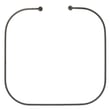
- Heating and drying components such as the heating element WD05X35098
- Control and wiring repairs (boards, harnesses)
- Pump and sump work (more disassembly, seals must seat correctly)
- Shut off power at the breaker (dishwashers are typically hardwired)
- Turn off the water supply valve under the sink
- Protect the floor; keep towels ready for residual water
- Take clear photos before disconnecting wires or hoses
- Run a short test cycle and check for leaks after reassembly
| Symptom | Common area to check | Example model-matched part |
|---|---|---|
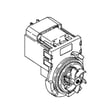
| Not draining | Drain path, drain pump, drain hose | Dishwasher drain pump WD19X25461 |
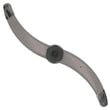
| Not cleaning well | Spray arms, wash pump, water feed | GE dishwasher spray arm, lower WD22X33499 |
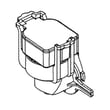
| Won’t start | Door latch/lock, controls | Dishwasher door latch lock WD01X29878 |
| Not filling | Water supply, inlet valve | Dishwasher water inlet valve WD15X26078 |
Choosing the right DIY level helps you avoid repeat failures. For example, a “not draining” complaint can be a simple hose restriction, but it can also point to a failing pump or a blocked sump, and the fix changes based on the cause.
For troubleshooting help before buying parts, use GE dishwasher error codes.
Last updated: February 2026
What if I can't find my part on Sears PartsDirect?
If you cannot find a part for your GE dishwasher model PDT715SYN8FS, we recommend confirming the model number and then searching by the exact part ID or part number. If the part still does not appear, our parts specialists can match the correct replacement using your model and serial information.
- Recheck the full model number on the rating label: PDT715SYN8FS (letters and numbers must match exactly).
- Search using the part ID/part number (example: WD19X25461) instead of a description.
- Try a simpler keyword like “drain pump” or “door latch” rather than a long phrase.
- If you have the old part, use the number printed on it; then confirm it cross-references to your model.
- Look for common naming differences (example: “control board” vs “machine control”).
If you are troubleshooting and want to confirm you are in the right place for PDT715SYN8FS, opening a common part page can help you pivot to related assemblies:
- Draining issues: dishwasher drain pump WD19X25461
- Door not latching or unit will not start: dishwasher door latch lock WD01X29878
- Poor wash performance: GE dishwasher spray arm, lower WD22X33499
| What you see | What it usually means | What to do next |
|---|---|---|
| Part name searches return nothing | Description varies by brand/site | Search by part number or part ID |
| Multiple similar results | Several revisions fit different versions | Match using model and serial |
| You found a part, but it says “not for your model” | Similar GE models use different revisions | Confirm PDT715SYN8FS and re-check the part number |
Dishwashers often use multiple revisions of the same type of part (like a wash pump, control, or spray arm). Matching by model number and serial helps ensure proper fit, correct connectors, and reliable performance.
Last updated: February 2026
What is the life expectancy of a GE Profile dishwasher?
A GE Profile dishwasher typically lasts 10 to 15 years with normal household use and basic care. For your GE PDT715SYN8FS, lifespan depends most on water quality, how often it runs, and whether wash and drain components stay clean and unobstructed.
- Hard water and scale buildup on the heating system and internal passages
- Heavy daily use (multiple loads per day) versus light weekly use
- Drain performance (standing water strains the drain system)
- Wash performance (poor circulation makes the pump work harder)
- Door sealing and latching (leaks and misalignment accelerate wear)
- Clean the filter area and remove debris that can restrict circulation
- Run a monthly cleaning cycle with a dishwasher cleaner to reduce grease and mineral buildup
- Keep spray arm holes clear; food and labels can block jets
- Use the right detergent amount for your water hardness (too much can cause residue)
- Check for slow draining and correct it early (kinks, clogs, or a weak pump)
| Symptom | Common system involved | Example part for PDT715SYN8FS |
|---|---|---|
| Not draining, water left in tub | Drain system | Dishwasher drain pump WD19X25461 |
| Poor cleaning, weak spray | Spray/circulation | GE dishwasher spray arm, lower WD22X33499 |
| Not drying well | Heating system | Heating element WD05X35098 |
| Won’t start or won’t latch | Door latch system | Dishwasher door latch lock WD01X29878 |
If you keep water moving, heating properly, and draining fully, the dishwasher avoids the high-stress conditions that shorten motor, pump, and seal life. When problems show up, fixing them early often prevents a chain of failures.
Last updated: February 2026
What is the most common problem with a GE dishwasher?
For the GE PDT715SYN8FS dishwasher, the most common service issues are “won’t drain,” “won’t start,” and “not cleaning well.” In many homes, these trace back to a drain restriction, a door-latch/starting interlock problem, or a wash system issue that prevents proper spray and circulation.
- Water left in the bottom: drain path restriction, drain pump problem, or a kinked/blocked drain hose.
- Lights on but won’t run: door not latching, control lock, or a control/start input issue.
- Dishes still dirty: clogged spray arm ports, low water fill, or weak wash circulation.
- Stops mid-cycle or shows a fault: water level/pressure sensing issue or control-related fault.
- Wet dishes after cycle: heater/drying performance issue or settings related.
- Cancel/drain the cycle and listen for the drain pump running.
- Check the sink drain/garbage disposer connection (a common blockage point).
- Inspect the drain hose routing for kinks and make sure it has a proper high loop.
- Confirm the door closes firmly and the latch engages.
- Run hot water at the sink for 30 to 60 seconds before starting a cycle.
If the quick checks point to a component failure, these model-matched parts are frequent solutions:
| Symptom | Likely area | Model-matched part to consider |
|---|---|---|
| Won’t drain / drains slowly | Drain system | Dishwasher drain pump WD19X25461 |
| Won’t start / stops when door moves | Door latch system | Dishwasher door latch lock WD01X29878 |
| Poor cleaning on lower rack | Spray pattern | GE dishwasher spray arm, lower WD22X33499 |
| Fill or water level faults | Water sensing | GE dishwasher pressure sensor WD21X25468 |
If your display shows a code or beeping pattern, use GE’s code list to narrow the failure to the fill, drain, heating, or sensing circuit before replacing parts: GE electronic dishwasher error codes.
Drain, latch, and wash-circulation problems can look similar (for example, a unit that “won’t start” may actually be stopping because it cannot fill or drain correctly). A few targeted checks help you avoid replacing the wrong part and get the dishwasher back to normal cycle times and cleaning performance.
Last updated: February 2026
Which dishwasher to stay away from?
If you’re trying to avoid problems, we recommend staying away from any dishwasher with a pattern of hard-to-find parts, frequent leak or drain complaints, or repeated electronic control failures. For a GE dishwasher like model PDT715SYN8FS, the best “avoid” strategy is to judge the exact model’s service history and parts support, not just the brand name.
- Recurring “won’t start” or “dead control panel” complaints (often tied to UI or control boards)
- Chronic leaking at the door or tub seal area
- Frequent “not draining” issues (pump or hose related)
- Poor cleaning tied to spray arm wear or clogging
- Long-term parts unavailability or unusually expensive core parts
| Check | What you want to see | What to avoid |
|---|---|---|
| Parts availability | Common parts show as in stock | Many core parts discontinued/backordered |
| Repair cost risk | Wear parts are affordable | Control boards and pumps are frequent failures |
| Common symptoms | Occasional maintenance issues | Repeated electronic or leak failures |
We focus on keeping your dishwasher dependable by addressing the most common failure points early:
- If it won’t drain, inspect the drain path and consider the dishwasher drain pump WD19X25461.
- If it’s not cleaning well, check for clogs or damage on the GE dishwasher spray arm, lower WD22X33499.
- If it’s not drying, heating performance and airflow matter; the heating element WD05X35098 is a key component.
- If it won’t start or won’t latch, inspect the door latch system; the dishwasher door latch lock WD01X29878 is a common fix.
Dishwashers are expensive to replace, and the “models to avoid” are usually the ones that turn small issues (draining, latching, heating) into repeated service calls. Checking parts support and addressing early symptoms protects wash performance and total cost of ownership.
Related help: GE dishwasher error codes
Last updated: February 2026





