Installation guide
 Owner’s manual
 Error Codes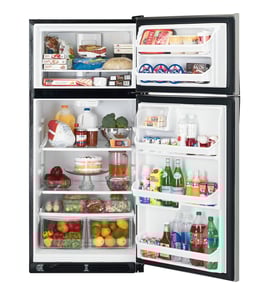



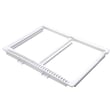
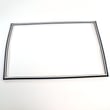
What size is Kenmore refrigerator model 25360412614?
Kenmore top-mount refrigerator model 25360412614 is typically about 32 inches wide, 65-3/4 inches tall, and 26-5/8 inches deep, with an approximate 16.7 cu. ft. capacity. For the exact cabinet and door-clearance measurements for your unit, use the 25360412614 owner's manual.
Quick size reference (typical)
Use these numbers for planning space and basic fit checks; confirm exact clearances in the manual before moving the refrigerator into a tight opening.
| Measurement | Typical value |
|---|---|
| Width | 32 in. |
| Height | 65-3/4 in. |
| Depth | 26-5/8 in. |
| Capacity | 16.7 cu. ft. |
What to measure at home (so it fits the first time)
We recommend measuring both the refrigerator and the installation space.
- Opening width at the front and back (walls are not always square)
- Height to the lowest cabinet or soffit
- Depth from the back wall to the front edge of counters
- Door swing clearance so doors open fully without hitting a wall
- Pathway clearance (doorways, hallways, turns) for delivery or removal
Why it matters
Correct sizing prevents common headaches like doors that cannot open fully, poor airflow around the cabinet (which can affect cooling), and damage to door gaskets from rubbing. If you are adjusting fit after installation, leveling also helps doors close properly; our installation guide covers setup basics.
Last updated: February 2026
What is the top part of the fridge called?
On the Kenmore 25360412614 top-mount refrigerator, the top section is the freezer compartment (often just called the freezer). It’s the colder compartment designed to keep foods frozen and, on some setups, it can also support an optional ice maker.
What the freezer does (and what’s usually inside)
In a top-mount design, the freezer is the upper compartment that supplies cold air for both sections.
Common freezer features include:
- A freezer temperature control or air control (varies by model)
- Shelves or a wire rack for frozen food storage
- An ice tray, or an optional automatic ice maker
- A door gasket that seals the compartment to prevent frost and temperature swings
Quick terminology guide
Here are the most common names customers use for the “top part”:
| What you call it | Common appliance term | Where it is |
|---|---|---|
| Top part of the fridge | Freezer compartment | Upper door/section |
| Bottom part of the fridge | Fresh food (refrigerator) compartment | Lower door/section |
| Divider/air flow control | Freezer air duct/control | Between compartments |
Why it matters
Using the right term helps when you’re ordering parts (like a door gasket), following setup steps, or adjusting temperatures. It also makes troubleshooting easier because many cooling symptoms start with airflow from the freezer into the fresh food section.
Where to confirm controls and features for your exact setup
For the exact control locations and feature descriptions on your Kenmore 25360412614, use the 25360412614 use & care guide. If you’re installing or leveling the refrigerator so the doors seal correctly, follow the installation instructions.
Last updated: February 2026
What is the average lifespan of a Kenmore refrigerator?
Most Kenmore refrigerators, including top-mount models like 25360412614, typically last 10 to 15 years with normal household use. Regular maintenance (cleaning condenser coils, keeping door seals tight, and steady temperatures) is what most often determines whether you land closer to 10 years or push past 15.
Typical lifespan and what affects it
A refrigerator’s life is mostly driven by compressor run time, airflow, and how hard it has to work to hold temperature.
- Maintenance: dirty coils and blocked vents shorten life
- Door seal condition: air leaks force longer run times
- Room conditions: garages and hot kitchens increase workload
- Usage habits: frequent door openings and overpacking reduce airflow
- Power quality: repeated outages or surges stress electronics and the compressor
Quick maintenance checklist (best payoff)
Use this list to extend the life of your Kenmore 25360412614.
- Vacuum or brush condenser coils (commonly every 6 to 12 months)
- Confirm doors close easily and stay shut; clean the gasket sealing surface
- Keep food from blocking air vents in the freezer and fresh-food section
- Set stable temps (typical targets: 0°F freezer, 37°F fresh food)
- Level the refrigerator so doors self-close
Common “end-of-life” symptoms vs. fixable issues
| Symptom | Often fixable? | What to check first |
|---|---|---|
| Warm fridge, freezer OK | Yes | Airflow restrictions, evaporator fan noise, frost buildup |
| Heavy frost on freezer back wall | Yes | Defrost system components, door sealing |
| Loud clicking, won’t start cooling | Sometimes | Start components, capacitor, compressor condition |
| Water leaking inside or on floor | Yes | Drain blockage, door sealing, leveling |
If you’re seeing airflow or cooling complaints, the evaporator fan system is a common wear area; our DIY steps in how to fix your evaporator cooling fan help you narrow it down.
Why it matters
A refrigerator that runs longer and harder than it should uses more electricity and wears out key components sooner. Simple upkeep and quick repairs (like correcting a poor door seal) often add years of reliable service.
For model-specific operating and care guidance, follow the maintenance and temperature sections in the 25360412614 owner's manual.
Last updated: February 2026