Owner’s manual
 View engine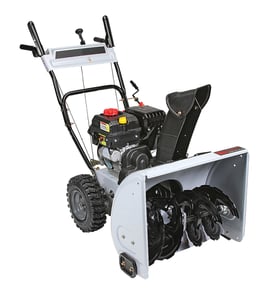



How many years should a snowblower last?
A gas snowblower like Craftsman model 536885471 typically lasts 10 to 20 years with normal residential use and consistent maintenance; many units reach the high end of that range when belts, shear bolts, and lubrication points are serviced on schedule.
A snow thrower’s life is usually determined by wear items, storage habits, and whether adjustments are kept in spec.
- Regular oil changes and correct oil type for cold weather operation
- Keeping belts adjusted and replacing them when worn
- Checking and tightening fasteners, especially after use
- Lubricating the auger shaft and drive components as scheduled
- Proper off-season storage (especially fuel handling)
For model-specific maintenance intervals and lubrication points, follow the 536885471 owner's manual.
| Snowblower type | Typical lifespan | What usually ends it first |
|---|---|---|
| Gas, well maintained | 10 to 20 years | Belts, friction drive wear, corrosion from poor storage |
| Gas, minimal maintenance | 5 to 10 years | Fuel system issues, drive problems, premature engine wear |
| Electric (corded/battery) | 5 to 10 years | Motor/electronics, battery capacity loss |
On Craftsman gas snow throwers, these parts are normal wear items and are often the first replacements that keep the machine going strong:
- Drive belt (ground drive) such as the snowblower drive belt 1733324SM
- Auger drive belt such as the auger belt 37X120MA
- Shear bolts and other fasteners that protect the auger/impeller system
- Friction drive components (if equipped) and related linkage adjustments
A snowblower can run for decades, but only if we treat maintenance as part of ownership. The manual for this model calls out seasonal checks and periodic belt adjustments; staying ahead of those items prevents bigger failures and keeps performance consistent.
Last updated: January 2026
How do I tell what year my snowblower is?
To tell the year of your Craftsman snow thrower model 536885471, start with the model and serial number decal on the rear of the housing; then use the engine’s manufacture date code to pinpoint the engine build date (often the closest “year” reference for the machine). See the 536885471 owner's manual for decal location and record-keeping.
On model 536885471, the manual notes the model and serial numbers are on a decal attached to the rear of the snow thrower housing.
- Look for a sticker or metal tag on the rear housing panel
- Write down the model number and serial number exactly as shown
- If the decal is dirty, wipe it gently so all digits are readable
- Take a photo for your records before it fades further
Most small engines have a stamped code that indicates the engine manufacture date. A common format is:
- First 2 digits = year
- Next 2 digits = month
- Next 2 digits = day
| Engine code example | Interprets as | Meaning |
|---|---|---|
| 99011556 | 99-01-15 | Built Jan 15, 1999 |
Snowblowers are often assembled and sold after the engine is built. Using the engine’s date code helps you:
- Estimate the snowblower’s production era
- Choose compatible maintenance parts (belts, friction drive items, ignition parts)
- Match tune-up specs and service procedures more accurately
If you are servicing drive or auger issues while you are identifying the unit, these common wear items are frequently replaced:
Last updated: January 2026
What is the most common problem with snow blowers?
The most common problem we see on gas snow blowers like Craftsman model 536885471 is a no-start or hard-start condition caused by fuel and ignition issues (stale gas, carburetor varnish, or a worn spark plug). Close behind are clogging and drive complaints tied to belts and frozen snow buildup.
Before replacing parts, we recommend these basics:
- Use fresh fuel and the correct choke and primer procedure for a cold start (your controls include choke, primer, throttle, and an ignition key).
- Confirm the ignition key is fully inserted; the engine will not start without it.
- If the unit ran and then quit, wipe snow and moisture from the carburetor cover and move the controls several times to prevent freeze-related sticking.
- After throwing snow, run the machine a few minutes to help prevent auger and impeller freeze-up.
- If the machine vibrates abnormally or you hit an object, stop the engine and disconnect the spark plug wire before inspecting.
For model-specific operating and safety steps, follow the 536885471 owner's manual.
If the engine runs but the snow thrower will not propel or the auger will not engage, the most common causes are wear or loss of tension in the belt drive.
- No forward drive or slipping drive: inspect the ground drive belt and pulleys
- Auger will not turn under load: inspect the auger belt and linkage
- Intermittent engagement: check for belt glazing, stretching, or contamination
Helpful parts for this model include:
Starting and drive issues often tempt people to reach into the chute or auger area. The manual’s guidance is clear: stop the engine, remove the key, and disconnect the spark plug wire before unclogging or inspecting moving parts. That prevents accidental starting and serious injury.
| Symptom | Most common cause | What to check first |
|---|---|---|
| Will not start | Stale fuel, spark plug issue, incorrect choke/prime | Fresh fuel, key inserted, choke/primer use |
| Starts then stalls | Carburetor icing/moisture, fuel restriction | Clear snow/moisture, verify fuel flow |
| Auger will not turn | Worn/loose auger belt | Belt condition and tension |
| Will not drive | Worn/loose drive belt | Belt condition and pulleys |
Last updated: January 2026
Is it cheaper to repair or replace a snowblower?
For the Craftsman 536885471 snow thrower, it’s cheaper to repair when the problem is a normal wear item or adjustment (belts, cables, chute hardware, tune-up). Replacement makes sense when major engine or drive-system work pushes the total close to about half the cost of a comparable new snowblower.
- Repair when the machine starts and runs but performance is off (slipping drive, weak throwing)
- Repair when the fix is a common wear part (belts, friction-drive service, cables)
- Repair when the issue is maintenance-related (old fuel, spark plug service, oil change)
- Replace when the engine has internal damage symptoms (low compression, heavy smoking)
- Replace when the frame or auger housing has major structural damage
- Replace when multiple major systems need work at the same time
These are typically lower-cost repairs that often restore operation:
- Replace the ground drive belt: snowblower drive belt 1733324SM
- Replace the auger drive belt: auger belt 37X120MA
- Service the chute rotation/deflector parts if the chute won’t aim correctly
- Perform routine maintenance using the schedule and specs in the 536885471 owner's manual
| Situation | Best choice | What you’re paying for |
|---|---|---|
| Slipping drive or poor traction | Repair | Belt and friction-drive maintenance |
| Auger does not engage | Repair | Belt, cable, or linkage adjustment |
| Chute won’t rotate or hold position | Repair | Chute hardware or gear components |
| Engine needs major internal work | Replace | High labor and parts cost vs. machine value |
A repair that restores safe traction and strong snow-throwing performance usually costs far less than replacing the entire machine. Using the correct maintenance specs and adjustment procedures for model 536885471 helps you avoid repeat failures and unnecessary parts.
Last updated: January 2026