Error Codes




How many years do gas water heaters last?
Most tank-style gas water heaters last 8 to 12 years. For a State PR650XODS gas water heater, good maintenance and stable water quality can push life closer to the high end, while heavy use, hard water, and neglected flushing can shorten it.
Typical lifespan and what changes it
- 8 to 12 years is the normal service life for a standard tank gas water heater.
- Hard water and sediment buildup can make the burner work harder and reduce efficiency.
- A worn anode rod speeds up tank corrosion.
- Poor venting or combustion issues can stress the burner and safety system.
| Condition | What you may notice | What it usually means |
|---|---|---|
| Heavy sediment | Rumbling or popping sounds | Tank needs flushing; efficiency drops |
| Corrosion starting | Rusty or metallic-smelling hot water | Anode rod may be depleted |
| Combustion problems | Pilot won’t stay lit, weak burner | Ignition or burner components may need service |
| End-of-life tank | Moisture or leaking at the base | Tank failure is near or already happening |
Signs your PR650XODS is near end of life
- Water pooling or leaks at the bottom of the tank
- Rusty hot water or frequent discoloration
- Banging, popping, or gurgling during heating cycles
- Inconsistent hot water or recovery getting noticeably slower
- Pilot or burner issues that keep returning after cleaning and adjustment
Parts that can help extend performance (when the tank is still sound)
If the tank is not leaking, replacing common wear items can restore reliable operation:
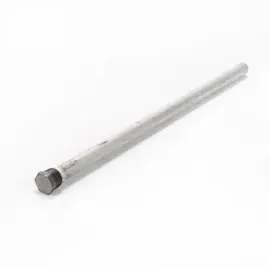
- Anode rod 100300397 (helps protect the tank from corrosion)
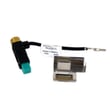
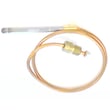
- Water heater thermocouple 100108462 (helps keep the gas valve open when the pilot is proven)
- Water heater pilot tube assembly 100108370 (addresses pilot supply and pilot assembly issues)
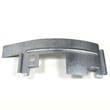
- Water heater burner tube 100108784 (supports proper burner flame and heat output)
Why it matters
Once a tank starts leaking, replacement becomes the practical fix. Catching corrosion early (often with an anode rod) and keeping sediment under control can help you get the full expected lifespan from a gas water heater.
Last updated: February 2026
What is the average labor cost to install a 50-gallon gas water heater?
For a 50-gallon gas water heater like the State PR650XODS, average labor to install typically runs $400 to $1,000. Labor goes up when the installer must modify gas piping, venting, or water lines, or when permits and code upgrades are required.
What usually changes the labor price
Labor is mostly driven by how close the new heater is to a “like-for-like” swap and how much work is needed to meet current plumbing and gas codes.
- Venting changes (draft hood, flue size, chimney liner, power vent conversion)
- Gas line work (new shutoff, sediment trap, resizing, leak testing)
- Water piping updates (new shutoffs, dielectric unions, expansion tank)
- T and P relief valve discharge piping additions or rework
- Location and access (tight closet, attic, crawlspace, stairs)
- Haul-away of the old tank and site cleanup
Typical labor ranges by job complexity
These ranges are common for a 50-gallon atmospheric-vent gas water heater replacement.
| Install scenario | Typical labor range | What it usually includes |
|---|---|---|
| Straight swap (same type, easy access) | $400 to $700 | Disconnect, set tank, reconnect, basic startup checks |
| Moderate updates | $700 to $1,200 | Minor venting or piping changes, added safety items |
| Complex or code-heavy | $1,200 to $2,000+ | Significant venting or gas work, difficult access, multiple upgrades |
Parts that can affect install time on PR650XODS
If the heater is being serviced during install (or the old unit has ignition issues), these parts can be involved:
- Water heater temperature and pressure relief valve 100108455 (safety valve replacement)
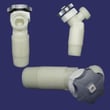
- Drain 100108269 (drain valve replacement if it leaks or won’t close)
- Water heater thermocouple 100108462 (pilot will not stay lit)
- Water heater pilot tube assembly 100108370 (pilot supply issues or damaged tubing)
Why it matters
A low labor quote can look great until venting, gas-line safety items, or the T and P discharge pipe are added. Comparing quotes using the same scope (swap vs. upgrades) helps you avoid surprise add-ons and keeps the installation safe.
Last updated: February 2026
What is the most common problem with gas water heaters?
The most common problem we see on gas water heaters like the State PR650XODS is the pilot light going out or not staying lit. In most cases, the root cause is a weak thermocouple signal, a dirty pilot/igniter area, or an airflow issue that prevents a stable flame.
Most common causes (and what to check first)
- Thermocouple not sensing flame well: loose connection at the gas control, worn thermocouple, or a weak pilot flame.
- Dirty pilot/igniter: dust or lint can disrupt ignition and flame stability.
- Restricted combustion air: blocked intake openings, dirty burner area, or a sealed closet without enough makeup air.
- Burner orifice or burner tube issues: debris can reduce gas flow and cause a weak, unstable flame.
- Gas supply problems: partially closed shutoff valve or low supply pressure.
Quick troubleshooting steps (safe, no disassembly)
- Confirm the gas shutoff valve is fully open.
- Watch the pilot while lighting: a healthy pilot flame is steady and should engulf the thermocouple tip.
- Check for drafts around the burner access area that could blow the pilot out.
- If your control shows a diagnostic light, match the flash pattern to the State gas water heater error codes.
Parts that commonly fix “pilot won’t stay lit” on PR650XODS
| Symptom | Most likely part area | Example part for this model |
|---|---|---|
| Pilot lights, then drops out | Flame sensing | Water heater thermocouple 100108462 |
| Pilot is weak or inconsistent | Pilot tubing/assembly | Water heater pilot tube assembly 100108370 |
| Burner lights poorly or is lazy | Gas metering/burner | Ao smith water heater burner orifice 100108672 or water heater burner tube 100108784 |
Why it matters
A pilot that will not stay lit usually means the heater is not proving flame reliably, so the gas control shuts down for safety. Fixing the flame-sensing and airflow basics restores consistent hot water and helps prevent nuisance shutdowns.
Last updated: February 2026
Why do plumbers not recommend tankless water heaters?
Plumbers often steer homeowners away from tankless water heaters because the total install cost and complexity can be much higher than a standard tank, performance can drop in hard-water conditions without regular descaling, and hot-water delivery can feel less consistent when multiple fixtures run at once.
The most common reasons plumbers push back
- Higher installation complexity: Many homes need upgraded gas piping, dedicated electrical, and specific venting.
- Hard-water sensitivity: Mineral scale can clog the heat exchanger and reduce efficiency and flow if maintenance is skipped.
- Flow-rate limits: A single unit may struggle when showers, laundry, and a dishwasher run together.
- “Cold-water sandwich” and delay: You can get a brief temperature swing or a longer wait for hot water at distant fixtures.
- More maintenance expectations: Annual flushing or descaling is common in many areas.
Tank vs. tankless: quick comparison
| Feature | Tank water heater (like State PR650XODS) | Tankless water heater |
|---|---|---|
| Upfront cost | Typically lower | Typically higher |
| Hot water for multiple fixtures | Often steadier for simultaneous use | Can be limited by GPM and temperature rise |
| Maintenance | Periodic tank flushing, anode checks | Regular descaling is often needed |
| Failure impact | Usually gradual (recovery slows) | Can be sudden (no hot water) |
When tankless can still be a good fit
- Small households with staggered hot-water use
- Homes with proper gas supply and venting already in place
- Owners willing to keep up with descaling and inlet filtering
Why it matters
Choosing the wrong style can lead to higher operating headaches: lukewarm showers during peak demand, nuisance shutdowns from scale, or unexpected retrofit costs. If you are maintaining a tank-style unit like the State PR650XODS, keeping key components in good shape often delivers the most predictable hot water.
Related DIY help
- Use our State gas water heater error codes guide to interpret status lights or lockouts before replacing parts.
Last updated: February 2026