 Owner’s manual
What is the life expectancy of a Cub Cadet riding mower?
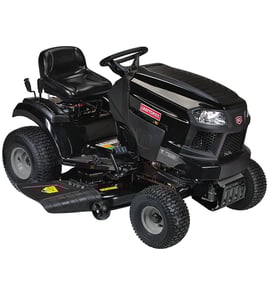
A Cub Cadet riding mower like the Cub Cadet SERIES front-engine lawn tractor typically lasts 500 to 1,000 engine hours with normal residential use and consistent maintenance. Heavy loads, steep terrain, dusty mowing, and skipped service shorten life; careful storage and routine tune-ups extend it.
Most owners fall into these ranges:
- Light residential use: ~500 to 800 hours
- Average residential use: ~700 to 1,000 hours
- Commercial or harsh conditions: often closer to 500 hours without extra maintenance
| What drives hours up or down | Shortens lifespan | Extends lifespan |
|---|---|---|
| Maintenance | Missed oil changes, dirty air filter | On-time oil, filter, blade service |
| Operating conditions | Tall/dry grass, dusty mowing | Dry storage, clean mowing conditions |
| Terrain and load | Steep slopes, towing heavy loads | Moderate slopes, reasonable towing |
| Storage | Left outdoors | Covered, dry, battery maintained |
We recommend focusing on the items that protect the engine, deck, and driveline:
- Change engine oil and oil filter on schedule
- Keep the air filter clean; replace when restricted
- Sharpen and balance blades; avoid mowing into debris
- Keep the deck clean to prevent buildup and corrosion
- Maintain tire pressure for even cutting and reduced strain
- Keep battery terminals clean and fully charged in the off-season
For model-specific intervals and procedures, follow the owner's manual.
Hour-based life expectancy helps you plan for major wear items (belts, blades, spindles, battery, and PTO components) before they fail mid-season. It also helps you judge value when buying used equipment by comparing condition to the hour meter.
Last updated: February 2026
Is the Cub Cadet engine a good engine?
Yes. Cub Cadet engines used on SERIES 1500 front-engine lawn tractors are built for dependable mowing when you keep up with routine maintenance like oil changes, air filter service, and proper safety interlock operation; those basics directly affect power, starting, and engine life. For model-specific maintenance intervals and procedures, use the owner's manual.
A good lawn tractor engine starts reliably, runs smoothly under load, and holds up over seasons. On this SERIES 1500 platform, the manual emphasizes maintenance items that protect the engine from premature wear.
- Uses 10W-30 oil for typical operating temperatures (per the manual’s guidance)
- Needs an early oil change after the first 24 hours, then regular oil changes every 100 hours
- Uses a paper air filter element with a foam precleaner (when equipped) that must stay clean and properly seated
- Includes safety interlock switches that prevent starting in unsafe conditions and can shut the engine off if you leave the seat
If you want the engine to feel “strong” and last, these are the highest-impact habits:
- Check engine oil level frequently (at least every few uses)
- Change oil after the first 24 hours of operation, then every 100 hours
- Keep the air cleaner area clean; service the foam precleaner about every 25 hours in dusty conditions
- Do not run the tractor with loose or damaged air cleaner parts (it can pull unfiltered air)
- Follow the safety interlock rules (parking brake set, PTO off) to avoid no-start complaints that look like “engine problems”
| What you notice | Common cause | What to do first |
|---|---|---|
| Hard starting | Low oil, dirty air filter, stale fuel, safety interlock not satisfied | Verify brake lock set and PTO off; check oil and air filter |
| Rough idle or stalling at idle | Carburetor idle circuit needs adjustment/service, dirty air filter | Inspect/clean air filter and precleaner; then follow manual guidance |
| Loses power in tall grass | Dirty air filter, dull blades, deck buildup, belt slip | Check air filter; inspect deck/blades and drive components |
Most “bad engine” complaints on riding mowers come from skipped oil changes, restricted airflow, or safety interlock conditions that prevent starting. Keeping oil and filtration on schedule is what preserves compression, power, and reliability.
Last updated: February 2026
What engine does a Cub Cadet SERIES have?
Cub Cadet SERIES 1500 lawn tractors use a gasoline engine, but the exact engine make and horsepower depend on the specific SERIES 1500 configuration. For your tractor, the most reliable way to confirm the engine family and service specs is to match the engine ID information and maintenance section in the owner's manual.
Use these quick checks on the tractor itself; they are the fastest way to get an exact match for tune-up and maintenance parts.
- Look for the engine ID label on the blower housing, valve cover, or near the starter
- Record the engine model, type, and code/spec numbers (not just “SERIES 1500”)
- Compare those numbers to the engine section in the manual
- Note whether your tractor uses a fixed-jet carburetor (common on this SERIES)
- Confirm the correct oil type and service intervals before ordering filters or plugs
From the SERIES 1500 maintenance information, we can confirm these engine-related details:
| Item | What’s typical for SERIES 1500 per manual | Why you care |
|---|---|---|
| Engine oil | Factory fill is 10W-30 ship-away oil; first change after 24 hours, then every 100 hours | Prevents premature wear and hard starting |
| Air intake | Replaceable paper air filter plus an oiled foam precleaner | Protects the engine in dusty mowing conditions |
| Carburetor | Walbro fixed main jet carburetor (main jet not adjustable) | Helps diagnose rough idle and stalling |
SERIES names can cover multiple engine variants over the years. Getting the exact engine ID prevents wrong spark plugs, oil filters, fuel filters, and air filter kits, and it also ensures you follow the correct oil-change schedule and lubrication points.
Last updated: February 2026
How do I find the right Cub Cadet part?
To find the right part for your Cub Cadet SERIES 1500 front-engine lawn tractor, match the part to the exact model and serial number from the model plate under the seat, then use the parts diagrams to identify the correct component before ordering.
Your operator’s manual explains that the model plate is located on the underside of the tractor seat. Write down both numbers exactly as shown; they are the key to matching the correct diagrams and parts list for your specific build.
- Lift the seat and locate the model plate underneath
- Copy the model number and serial number exactly (including any dashes)
- If the plate is dirty, wipe it clean so every character is readable
- Keep the numbers with your maintenance records for future ordering
Reference: owner's manual
Once you have the model and serial, use the exploded-view diagrams to narrow the search by system. This prevents ordering a look-alike part that fits a different SERIES 1500 configuration.
- Start with the system you are repairing (mower deck, steering, drive, electrical)
- Open the diagram and find the callout number for the part
- Compare the part description to what you see on the tractor
- Check for related hardware that is commonly replaced at the same time (nuts, bolts, spacers)
- Add the part to your cart only after you confirm the diagram match
| Verify this | What to look for | Why it helps |
|---|---|---|
| Model number | From the plate under the seat | Ensures the correct parts list |
| Serial number | From the same plate | Matches running changes by production |
| Assembly location | Deck vs. chassis vs. engine area | Prevents ordering the wrong version |
| Part condition | Broken, worn, missing hardware | Helps you order all needed items |
Cub Cadet lawn tractors often have production changes within the same SERIES. Using the exact model and serial number from the seat-mounted plate helps you land on the correct diagram and avoid delays from ordering a similar but incompatible part.
Last updated: February 2026
Do Cub Cadet mowers have Honda engines?
Yes, some Cub Cadet mowers are sold with Honda engines; it varies by mower line and by the specific engine installed. For the Cub Cadet SERIES 1500 front-engine lawn tractor, the correct way to confirm the engine brand is to check the engine ID label and then follow the maintenance specs in the SERIES owner's manual.
Use the engine itself as the source of truth; Cub Cadet tractors can be built with different engine suppliers.
- Look on the engine shroud or valve cover for the engine brand name (Honda, Kohler, Briggs and Stratton, etc.)
- Find the engine identification label; record the engine model and type/spec code
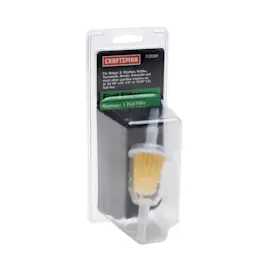
- Match that engine ID to the correct tune-up and service parts (air filter, spark plug, fuel filter)
- Use the tractor manual for service procedures and intervals that apply to your SERIES 1500 setup
The manual is the best reference for tractor-level maintenance and safe service steps.
| Maintenance topic | What you use it for | Where it helps most |
|---|---|---|
| Oil and filter service | Correct procedure and schedule | Prevents premature engine wear |
| Air intake service | Cleaning and inspection steps | Improves starting and power |
| Lubrication points | Grease and oil locations | Reduces steering and deck wear |
| Carburetor and idle guidance | Basic adjustment direction | Helps with rough idle and stalling |
Engine brand determines the correct replacement parts and specifications (spark plug type, air filter style, oil capacity). Confirming the engine label first prevents ordering the wrong parts and keeps your Cub Cadet tractor running reliably.
Last updated: February 2026