




Is a 7.4 cu ft dryer big?
Yes. A 7.4 cu. ft. capacity is considered a large dryer size for the GE GFD65ESSV0WW electric dryer; it typically handles bigger mixed loads and bulky items (like comforters) with fewer cycles than standard-capacity machines.
A 7.4 cu. ft. drum is commonly categorized as large capacity. Most standard dryers fall around 5.0 to 7.0 cu. ft., so 7.4 cu. ft. is a step up.
- Fits larger loads, which can reduce the number of drying cycles
- Helps bulky items tumble more freely (better airflow and more even drying)
- Works well for family laundry days and larger bedding
- Pairs well with high-capacity washers that produce bigger loads
| Dryer capacity | Common label | Best for |
|---|---|---|
| 5.0 to 6.5 cu. ft. | Standard | Singles, couples, smaller loads |
| 6.6 to 7.3 cu. ft. | Large | Regular family loads |
| 7.4 cu. ft. and up | Large to extra-large | Bulky items, fewer loads, busy households |
Even with a big drum, performance depends on airflow, heat, and load size.
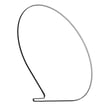
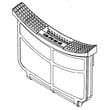
- Clean the lint screen every load; replace a damaged screen such as the dryer lint screen WE16X32537
- Avoid packing the drum tight; items should tumble, not “roll” as a solid mass
- Dry bulky items on appropriate cycles and pause to reposition if they ball up
- Keep the exhaust venting clear and as short and straight as possible
- If drying times suddenly increase, check airflow first before replacing parts
A larger capacity like 7.4 cu. ft. can save time and energy by reducing the number of loads, but only if the dryer maintains strong airflow and proper tumbling. Lint buildup, restricted venting, or a worn drive system can cancel out the benefits.
Last updated: January 2026
What is the lifespan of a GE dryer?
A GE electric dryer like model GFD65ESSV0WW typically lasts 10 years. With consistent lint and vent maintenance and avoiding overloads, it commonly reaches 12 to 15 years before major wear items (belt-drive and heating components) start needing attention.
Most household electric dryers fall into a predictable range based on use and care:
| Usage and care level | Typical lifespan | What usually fails first |
|---|---|---|
| Light use, well maintained | 12 to 15 years | Belt/idler, door switch, thermostats |
| Average family use | About 10 years | Heater, motor, drum support parts |
| Heavy use, limited maintenance | 7 to 9 years | Heater, motor, airflow-related safeties |
These steps reduce heat stress, friction, and run time, which are the biggest lifespan killers:
- Clean the lint screen every load; replace a damaged screen such as the dryer lint screen WE16X32537.
- Clean the vent duct and outside hood regularly (short, straight vents dry faster).
- Do not overload; heavy loads strain the drum, belt, and motor.
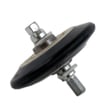
- Keep the drum turning smoothly; squealing or thumping often points to the dryer idler assembly WE03X30657 or drum support wear.
- Use the right cycle; high heat on everything accelerates heater and thermostat wear.
A single repair can be normal; repeated symptoms usually mean multiple components are wearing out:
- Drying times getting longer even after vent cleaning
- Burning smell or frequent thermal shutoffs
- Loud squealing, grinding, or rhythmic thumping
- Drum not turning consistently
- Heat is weak or intermittent (often heater or thermostat related)
A dryer that runs longer to dry clothes uses more electricity and runs hotter, which speeds up wear on the heater, thermostats, motor, and drum supports. Keeping airflow strong is the simplest way to protect performance and extend the life of your GE dryer.
Last updated: January 2026
Is GE dryer a good dryer?
GE dryers are a good choice for most households because they typically deliver reliable drying performance, straightforward controls, and solid long-term value. For the GE electric dryer model GFD65ESSV0WW, overall satisfaction usually comes down to proper airflow, routine cleaning, and keeping key wear parts in good condition.
A “good” dryer consistently dries loads in a normal cycle time, runs without excessive noise, and maintains safe operating temperatures.
Common signs your dryer is performing well:
- Clothes dry evenly without repeated cycles
- Drum turns smoothly with minimal squeal or thump
- Heat is steady (not overheating or going cold mid-cycle)
- Lint screen stays clear and airflow feels strong at the vent
- Controls respond quickly and cycles complete normally
Even a strong brand can seem “bad” if airflow or a wear part is failing. These are the most common make-or-break items:
- Airflow and venting: crushed hose, long vent runs, lint buildup
- Lint filtration: torn or warped screen, lint bypass into blower housing
- Heat regulation: thermostats cycling incorrectly
- Drum support and belt path: idler wear, support wear, baffle damage
| Symptom | Likely area | Example model-matched part |
|---|---|---|
| Squealing or chirping | Idler/support | Dryer idler assembly WE03X30657 |
| Long dry times | Airflow/lint path | Dryer lint screen WE16X32537 |
| No heat or weak heat | Heating circuit | Dryer heater assembly WE11X29790 |
| Door won’t start cycle | Door latch circuit | Door switch WE04X34281 |
A dryer that is “good” is not just about brand reputation; it is about safe temperatures and efficient airflow. Keeping the lint path clean and replacing worn components helps your GE dryer dry faster, run quieter, and reduce overheating risk.
If your dryer displays a code or behaves oddly, use GE gfd model series error codes to match the symptom to the most likely circuit or component.
Last updated: January 2026
What is the most common problem with a GE dryer?
For a GE electric dryer like model GFD65ESSV0WW, the most common problems are no heat or long dry times (usually airflow restriction or a heat-control part issue) and the drum not turning (often a worn belt or idler system). Start with lint and venting checks first.
- Clogged lint screen or vent: clothes take too long to dry, dryer feels hot, cycles end early
- Heating problem: runs but no heat, weak heat, or heat cuts in and out (heater or thermostat circuit)
- Drum not tumbling: motor runs but drum does not move, or you hear squealing (idler or drum support wear)
- Won’t start: door must latch; a failed switch can prevent operation
- Overheating shutdowns: restricted airflow can trip safety thermostats
- Clean the lint screen and confirm strong airflow at the outside vent hood.
- Inspect the vent path for kinks, crushed flex duct, or heavy lint buildup.
- If the dryer won’t start, test the door latch action and consider the door switch WE04X34281.
- If the dryer runs but won’t heat, inspect the heater circuit and consider the dryer heater assembly WE11X29790 and heat-limit devices.
- If the drum won’t turn or squeals, check the idler and drum support system; the dryer idler assembly WE03X30657 is a common wear item.
| Symptom | Most likely area | Example part to check for GFD65ESSV0WW |
|---|---|---|
| Long dry times | Airflow/venting, lint screen | Dryer lint screen WE16X32537 |
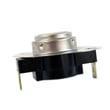
| No heat | Heater circuit, thermostats | Dryer heater assembly WE11X29790, dryer outlet backup thermostat WE04X10190 |
| Drum not turning / squealing | Idler, drum supports | Dryer idler assembly WE03X30657 |
| Won’t start | Door switch, controls | Door switch WE04X34281 |
Most “GE dryer problems” trace back to airflow. A restricted vent makes drying slow, overheats the cabinet, and can damage heating and thermostat components. Fixing airflow first often restores normal drying and helps new parts last longer.
If your display shows a code, use GE gfd model series error codes to match the code to the most likely circuit or component.
Last updated: January 2026





