Owner’s manual
 Error Codes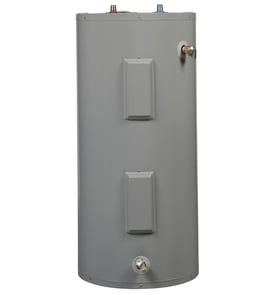




Where is the model number on my water heater?
On Kenmore water heaters like model 153326360, the model number is printed on the model rating plate located above the access panel on the tank. That same rating plate typically also lists the serial number, which you will need when ordering parts or scheduling service (see the 153326360 owner's manual).
How to find it quickly
- Look for the rectangular rating plate sticker on the outside of the tank.
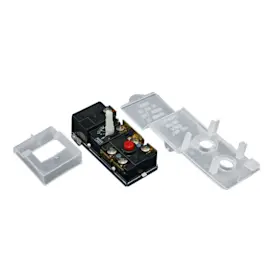
- Check just above the access panel (the panel you remove to reach the thermostat and heating element).
- Use a flashlight; the print can be small or faded.
- Write down both the model number and serial number.
- If the sticker is worn, take a close-up photo and zoom in.
What information to copy from the rating plate
When we help match parts for your Kenmore 153326360 electric water heater, these are the most useful fields:
| Rating plate item | Why it matters |
|---|---|
| Model number | Ensures parts fit your exact tank and electrical setup |
| Serial number | Helps confirm production details and compatible revisions |
| Voltage and wattage | Helps match the correct heating element and thermostat |
| “If converted” box (if shown) | Indicates whether the heater was set up for a different wattage |
Why it matters
The model rating plate is the most reliable way to identify your exact water heater configuration. Using the correct model number helps prevent ordering the wrong heating element, thermostat, gasket, or safety parts.
Last updated: January 2026
What is the average lifespan of an electric hot water tank?
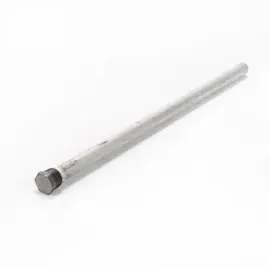
Most electric hot water tanks last about 10 to 15 years. For a Kenmore 153326360 electric water heater, regular maintenance (especially checking the anode rod) helps slow tank corrosion and can extend the tank’s usable life; see the 153326360 owner's manual for the recommended care steps.
Typical lifespan and what affects it
Electric tank-style water heaters tend to fall into a predictable range, but these factors move the needle:
- Water quality and conductivity: more conductivity can accelerate anode rod wear and tank corrosion.
- Maintenance habits: periodic anode rod inspection and replacement helps protect the tank.
- Sediment buildup: can reduce efficiency and contribute to noise and overheating.
- Temperature setting: higher settings increase stress on components.
- Usage patterns: heavy daily demand increases cycling on thermostats and heating elements.
Maintenance that most directly extends tank life
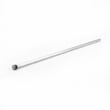
Your Kenmore manual explains that the anode rod sacrifices itself to protect the tank from corrosion, and replacing a depleted anode rod can extend water heater life.
Here are the most impactful actions:
- Inspect and replace the anode rod when it is heavily corroded or pitted.
- Address leaks quickly around element gaskets, fittings, and valves.
- If you service internal components, shut off power before removing access panels.
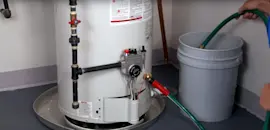
- Flush or drain the tank periodically to reduce sediment.
- Keep thermostat settings reasonable for comfort and safety.
Common “wear” parts vs. “end of life”
| What’s happening | Often fixable with parts? | Common parts involved |
|---|---|---|
| Not enough hot water | Yes | Thermostat, heating element |
| Water too hot | Yes | Thermostat |
| Rumbling noise | Sometimes | Sediment maintenance, heating element |
| Tank leaking from the tank body | No (tank replacement) | Not a serviceable part |
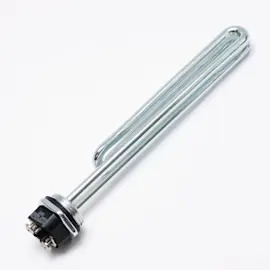
If you’re replacing a failed heating component, match the correct part to the heater’s configuration; for example, the manual notes some models use 3800W elements and some can be converted to 5500W. For this model’s common replacement element, see element 100108346.
Why it matters
A tank water heater usually fails from internal corrosion. Staying ahead of anode rod wear is one of the few maintenance steps that directly protects the tank itself, not just the heating performance.
Last updated: January 2026
How much does it cost to install a new 50 gallon electric water heater?
Installing a new 50-gallon electric water heater typically costs about $800 to $2,500 total (unit plus labor). For a Kenmore water heater like model 153326360, your final price mainly depends on electrical and plumbing updates needed to meet local code and your home’s setup; see the 153326360 owner's manual for installation requirements and materials.
What drives the total installed price
Common cost drivers for a 50-gallon electric water heater installation include:
- Permit and inspection fees (often required for water heater replacement)
- Electrical work (breaker, wire size, junction box, conduit, bonding)
- Plumbing changes (shutoff valve, connectors, pipe material transitions)
- Thermal expansion protection (expansion tank in many closed systems)
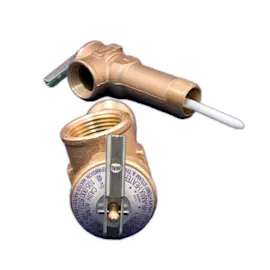
- Safety items (drain pan, discharge piping for the T&P relief valve)
- Access and labor time (tight closets, attic installs, stairs, haul-away)
Typical price ranges (what you can expect)
These ranges are typical for a straightforward replacement; upgrades and code corrections push costs higher.
| Scenario | Typical total cost | What’s usually included |
|---|---|---|
| Basic replacement (like-for-like) | $800 to $1,500 | Remove old unit, set new tank, reconnect water and power |
| Replacement with code updates | $1,200 to $2,000 | Permit, expansion tank, pan, updated shutoffs or piping |
| Complex install (access or major rework) | $1,800 to $2,500 | Electrical/plumbing re-route, difficult location, extra labor |
Parts and materials you may need
Your Kenmore manual lists common installation materials and tools (for example, flexible connectors, expansion tanks, drain pans, pipe dope/Teflon tape, and basic hand tools). Reviewing that list helps you avoid surprise add-ons.
- Flexible water connectors sized for your plumbing
- Expansion tank (when required for thermal expansion)
- Drain pan (especially for interior installs)
- Garden hose (for draining the old tank)
- Pipe dope or Teflon tape (water connections only)
Why it matters
A low install quote can turn expensive if the installer discovers missing safety items or code issues. Planning for permits, expansion control, and proper relief-valve discharge piping helps protect the home and keeps the heater operating safely.
Last updated: January 2026