




How many years should a GE washer last?
A GE washer like model GFW550SSN3WW typically lasts 10 to 14 years with normal household use and consistent care. Lifespan is influenced most by overloading, detergent habits, vibration from poor leveling, and how quickly you address leaks or drain problems.
What affects lifespan the most
- Overloading (stresses the tub, bearings, and suspension)
- Too much detergent (residue buildup, odors, longer rinse strain)
- Poor leveling (excess vibration and wear)
- Hard water scale (can restrict water flow and affect valves)
- Ignoring early symptoms (small issues become major repairs)
Maintenance that helps you reach 10 to 14 years
- Run a monthly cleaning cycle; wipe the door gasket area dry after use
- Leave the door slightly open between loads to reduce moisture and odor
- Check pockets to prevent coins and debris from entering the drain system
- Inspect inlet hoses and connections for seepage
- Re-level the washer if it starts walking or banging during spin
For step-by-step upkeep, use how to clean and maintain your washing machine.
When a repair can extend life
If GFW550SSN3WW starts acting up, fixing common wear items early can prevent bigger failures.
| Symptom | Often related to | Example compatible part for GFW550SSN3WW |
|---|---|---|
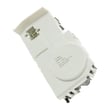
| Door won’t lock or won’t start | Door lock or latch issue | GE washer door lock WH01X29528 |
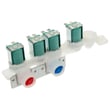
| Won’t fill or fills slowly | Inlet valve or supply restriction | Water valve WH23X29538 |
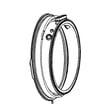
| Leaks at the door | Door boot wear or clamp issue | Washer door boot WH05X29521 |
Why it matters
A front-load washer that stays clean, stable, and leak-free avoids high-stress conditions (out-of-balance spinning, chronic moisture, and restricted water flow) that shorten service life.
Last updated: January 2026
How to order GE appliance parts?
To order parts for your GE washer model GFW550SSN3WW, we use the exact model number to pull the correct parts list, then match the replacement by part name and part ID to ensure fit. For door-lock issues, a common example is the GE washer door lock WH01X29528.
Step-by-step: ordering the right part for GFW550SSN3WW
- Find the model tag on the washer and confirm the full model number is GFW550SSN3WW.
- Identify the symptom (won’t start, won’t fill, leaking, won’t drain).
- Use the GFW550SSN3WW parts list to locate the matching part name and part ID.
- Compare your original part to the listing (connectors, mounting holes, hose sizes).
- Order using the confirmed part ID, not just a description.
Common parts customers order for this model
| Symptom | Part category to check | Example part for GFW550SSN3WW |
|---|---|---|
| Door won’t lock or washer won’t start | Door lock/latch | GE washer door lock WH01X29528 |
| Won’t fill or fills slowly | Water inlet valve | Water valve WH23X29538 |
| Leaks at the door opening | Door boot (bellow) | Washer door boot WH05X29521 |
| Excess vibration or banging | Suspension components | Suspension spring WH03X29511 |
If you’re ordering a drain-related part
For GFW550SSN3WW, the exact “drain pump assembly” part number can vary by production run and is best confirmed by matching to the model-specific parts list and your original component. If you’re servicing the pump area, related items you may see include the drain pump housing WH11X29644 and drain pump funnel WH11X29650.
Why it matters
GE often uses similar-looking parts across washer series; ordering by the exact model number and then verifying the part ID helps prevent wrong-part returns and repeat repairs.
Last updated: January 2026
What brands make the GFW550SSNWW?
GE makes the GFW550SSN model family; for your exact Sears PartsDirect model GFW550SSN3WW, the brand is GE That means parts, wiring, and troubleshooting steps should be matched to GE front-load washer designs for the best fit and performance.
What this means for parts and service
When you service a GE washer like GFW550SSN3WW, the safest approach is to match parts by the full model number, not just the “GFW550” family name.
- Use the complete model number GFW550SSN3WW when ordering parts
- Match parts by model compatibility, not by appearance
- Expect GE-style connectors, mounting points, and control logic
- Use GE front-load troubleshooting for issues like no drain, no fill, or door won’t lock
Examples of GE parts listed for GFW550SSN3WW
These are model-matched examples from the parts list that commonly relate to frequent washer symptoms:
| Symptom | Often involves | Example part listed for GFW550SSN3WW |
|---|---|---|
| Door won’t lock or open | Door lock or latch | WH01X29528 or WH01X32580 |
| Won’t fill or fills slowly | Water inlet valve | WH23X29538 |
| Won’t drain or drains slowly | Drain path restriction or leak in drain hose path | WH41X29628 |
Why it matters
Brand and model matching helps prevent ordering a part that won’t mount correctly, won’t plug in, or won’t work properly with the GE control system used in GFW550SSN3WW.
Related help: GE gfw front load washer error codes
Last updated: January 2026
What is the biggest problem with front load washers?
The biggest ongoing issue we see with front-load washers like the GE GFW550SSN3WW is odor caused by mold and mildew growth. The door boot (rubber gasket) and dispenser areas can stay damp after a cycle, which lets residue and moisture create a smell over time.
Why it happens (and where to look first)
Front-load washers seal tightly to prevent leaks, but that same tight seal can trap moisture.
- Water sits in folds of the door boot and around the drain holes
- Detergent and fabric softener residue feeds odor-causing buildup
- Too much HE detergent creates excess suds and leftover film
- Cold-water washing can leave more residue behind
- Leaving the door closed after washing traps humidity
Quick prevention checklist for the GE GFW550SSN3WW
These habits prevent most odor complaints without replacing parts.
- Leave the door and dispenser drawer slightly open between loads
- Wipe the door boot folds dry after the last load of the day
- Run a monthly cleaning cycle (or a hot cycle) with a washer cleaner
- Use the correct amount of HE detergent (less is usually better)
- Remove wet clothes promptly after the cycle ends
When it becomes a parts issue
If you clean regularly but still get persistent odor, leaks, or visible tearing, the door boot may be holding water or residue in damaged folds. On this model, the replacement is the washer door boot WH05X29521.
| Symptom | Most likely area | What to do |
|---|---|---|
| Musty smell only | Door boot folds, dispenser | Clean and dry routine |
| Visible black spots | Door boot folds | Deep clean; inspect for damage |
| Water at front of washer | Door boot seal | Inspect boot; replace if torn |
| Drawer smells sour | Dispenser path | Remove and clean drawer and housing |
Why it matters
Odor is more than an annoyance; it is usually a sign of trapped moisture and residue. Keeping the door boot and dispenser area clean helps the washer rinse better, reduces staining on clothes, and can prevent leaks that lead to bigger repairs.
Related help: how to keep a washer odor free
Last updated: January 2026


