




Does the GFW550SPR4RS have different wash cycles?
Yes. The GE GFW550SPR4RS washer offers multiple wash cycles so you can match water temperature, agitation/tumble pattern, and spin behavior to the fabric type and soil level for better cleaning and fewer wear issues.
Common cycles you can expect on this model
These are the cycle names most commonly associated with the GFW550SPR4RS series:
- Normal
- Whites
- Towels
- Bulky/Bedding
- Sanitize with Oxi
- Quick Wash
- Delicates
- Cold Wash
- Rinse + Spin
- Self Clean
How to choose the right cycle (quick guide)
Use this as a practical starting point; then fine-tune options like soil level, extra rinse, and spin speed.
| Laundry need | Best starting cycle | Why it helps |
|---|---|---|
| Everyday mixed loads | Normal | Balanced cleaning and spin |
| Heavy cottons and towels | Towels or Whites | More robust wash action |
| Comforters, bulky items | Bulky/Bedding | Helps reduce out-of-balance issues |
| Lightly soiled, small load | Quick Wash | Shorter cycle time |
| Lingerie, knits | Delicates | Gentler tumbling and spin |
| Odor-causing bacteria concerns | Sanitize with Oxi | Higher-temp sanitizing approach |
| Washer maintenance | Self Clean | Helps reduce residue and odor |
If the cycle won’t start or the door won’t lock
Cycle selection is separate from starting problems. If the washer beeps, won’t begin, or shows a door/lock-related issue, these parts are commonly involved:
- GE washer door lock WH01X29528 (locks the door so the control can run a cycle)
- Door latch WH01X32580 (mechanical latch that engages the lock)
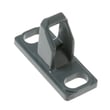
- Door strike support WH13X29611 (aligns the strike so the latch closes correctly)
Why it matters
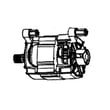
Picking the right cycle helps prevent poor cleaning, excess suds, and vibration. It also reduces strain on key components like the drive motor, suspension, and drain pump during high-spin portions of the cycle.
Last updated: February 2026
How do I tell what model my GE washer is?
Your GE washer’s model number is printed on a rating label attached to the cabinet. On the GE GFW550SPR4RS front-load platform, we most often see the label in the door opening (door jamb) or just inside the front panel area when the door is open.
Where to look on a GE front-load washer
Check these common label locations (in order):
- Inside the door opening on the cabinet frame (door jamb)
- Behind the washer door, along the front opening edge
- On the back of the control panel area
- On the back panel of the washer cabinet
- Low on the side panel near the bottom edge
What the model number label looks like
The label usually includes the model number and serial number, plus electrical ratings. For parts lookup, match the model number exactly (letters and numbers).
| What you see | What to do | Why it matters |
|---|---|---|
| Model number (example: GFW550SPR4RS) | Use it exactly as printed | Ensures correct part fit and wiring compatibility |
| Serial number | Record it too | Helps identify production changes and revisions |
| Electrical ratings | Note if needed | Useful when diagnosing power or control issues |
Why it matters for ordering parts
GE often uses similar-looking cabinets across multiple washer models, but parts can differ by model revision. Using the exact model number helps us match the correct door, latch, control, and water system components.
If you are troubleshooting a door that will not lock or open, the model number helps confirm the correct door-locking parts such as the GE washer door lock WH01X29528 or door latch WH01X32580.
Last updated: February 2026
How much does it cost to replace a gasket on a GE washing machine?
For a GE GFW550SPR4RS front-load washer, replacing the door gasket (door boot) typically costs $60 to $200 for the part, plus $150 to $350 for labor if you hire service; total installed cost is commonly $210 to $550 depending on rates and what else is needed.
What changes the price the most
- DIY vs. service call: labor is usually the biggest cost.
- What’s actually leaking: a torn door boot costs more than a loose clamp.
- Extra parts needed: clamps or a door lock issue can mimic a gasket problem.
- Access and time: front-load boots take longer because panels, clamps, and the lip seal must be seated correctly.
- Local labor rates: metro areas usually run higher.
Quick cost breakdown (typical)
| Item | Typical cost range | Notes |
|---|---|---|
| Door gasket (door boot) part | $60 to $200 | Model-specific fit matters for GE front-load washers |
| Clamp(s) / spring clamp | $10 to $25 | Often reused if not stretched or corroded |
| Professional labor | $150 to $350 | Usually 1 to 2 hours plus trip/diagnostic |
| Total installed | $210 to $550 | Higher if additional leak sources are found |
Before you buy a gasket: confirm the leak source
We recommend checking these common look-alikes first:
- Water trails from the detergent drawer area (can point to a hose issue like dispenser fill hose WH01X29652)
- Drips from the bottom front (can be a drain path issue like tub to pump hose WH41X29628)
- Door won’t lock and unit stops mid-cycle (can be GE washer door lock WH01X29528 or door latch WH01X32580)
- Small leak only on heavy loads (boot lip not seated, clamp loose, or debris on the glass)
- Visible tear, pinhole, or mold-damaged rubber on the door opening seal
Why it matters
A leaking door gasket can let water reach the front panel area and wiring, and it can also cause odor and mold buildup. Fixing the correct source early helps prevent repeat leaks and unnecessary part purchases.
Last updated: February 2026
How to order GE appliance parts?
To order parts for your GE washer model GFW550SPR4RS, use the complete model number (and serial number when available) to match the exact replacement, then order by the GE part ID or part number from the parts list. For ordering help, contact Sears PartsDirect support.
What we recommend before you order
- Confirm the full model number: GFW550SPR4RS (from the rating label)
- Write down the serial number (helps confirm production run and compatible revisions)
- Identify the failed symptom (won’t drain, won’t fill, won’t lock, leaks, etc.)
- Match the part by part ID and description, not just by appearance
- If you are troubleshooting an error, check the code list first using GE gfw front load washer error codes
Common parts customers order for this model
These are examples of parts available for GFW550SPR4RS that often come up during repairs:
| Symptom | Part to check/order | Example part ID |
|---|---|---|
| Door won’t lock or cycle won’t start | Door lock or latch | WH01X29528 or WH01X32580 |
| Washer won’t fill or fills slowly | Water valve | WH23X29538 |
| Washer won’t drain or drains poorly | Drain pump assembly or hoses | WH11X39237 or WH41X29628 |
Ordering tips that prevent wrong-part returns
- Compare your old part’s label numbers to the listing (when accessible)
- If multiple parts relate to the same symptom, test first (for example, latch vs. door lock)
- For door-lock issues, start with the exact replacement GE washer door lock WH01X29528
- For fill problems, verify hot and cold supply flow before ordering a valve
- For drain problems, check for clogs in the tub to pump hose before replacing the pump
Why it matters
Front-load washers like the GE GFW550SPR4RS can use different revisions of controls, latches, and valves across production runs. Using the full model and serial number helps ensure the part you order fits and works correctly the first time.
Last updated: February 2026
How to replace auger on GE washer?
The GE GFW550SPR4RS is a front-load washer and it does not use an auger or agitator. If you are seeing “auger” in a video, it applies to certain GE top-load models. For GFW550SPR4RS, the closest related service is cleaning or replacing the detergent dispenser drawer.
Confirm you have the right appliance and part
Use these quick checks before ordering parts or disassembling anything:
- Front-load: door on the front, no center post in the basket (GFW550SPR4RS)
- Top-load: lid on top, often has an agitator or wash plate (where an “auger” may apply)
- If your washer is front-load, focus on the dispenser drawer and tub components, not an auger
What you can replace on GFW550SPR4RS instead
Common “wash action” or “dispenser” complaints on this model are usually tied to these areas:
- Detergent dispenser drawer not siphoning or leaking
- Water not entering the dispenser correctly
- Drain issues that leave water in the tub
Here are model-relevant parts to consider:
- Washer dispenser drawer assembly WH42X35099 (drawer and housing assembly)
- Water valve WH23X29538 (controls hot and cold fill into the dispenser)
- GE washer drain pump assembly WH11X39237 (pumps water out during drain and spin)
Basic dispenser drawer replacement overview
- Unplug the washer and turn off both water supply valves.
- Remove the dispenser drawer (release tab and pull out).
- Transfer any trim pieces as needed and reinstall the new drawer assembly.
- Run a rinse cycle and check for leaks and proper fill.
Troubleshooting guide: symptom to likely cause
| Symptom | Most likely area to check |
|---|---|
| Drawer overflows or leaks | Dispenser drawer assembly, clogged channels |
| No water into dispenser | Water valve, inlet screens, supply valves |
| Washer won’t drain well | Drain pump assembly, tub-to-pump hose |
Why it matters
Replacing the correct component for the GE GFW550SPR4RS prevents repeat leaks, poor detergent dispensing, and fill or drain problems that can trigger cycle interruptions.
Last updated: February 2026
What are the parts of a washer called?
A washer is made up of water-handling parts (fill and drain), wash-system parts (tub and basket), drive and suspension parts (motor and springs), and electronic controls. On your GE GFW550SPR4RS washer, these parts work together to fill, wash, drain, and spin safely.
Common washer parts and what they do
Here are the names you will see most often when shopping for washer parts or troubleshooting:
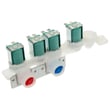
- Water inlet valve: lets hot and cold water into the washer (example: water valve WH23X29538).
- Drain pump: pushes water out to the household drain (example: GE washer drain pump assembly WH11X39237).
- Tub and basket (drum): the tub holds water; the basket spins and holds clothes.
- Door lock and latch (front-load): keeps the door locked during operation (examples: GE washer door lock WH01X29528, door latch WH01X32580).
- Drive system: motor and pulley turn the basket (example: pulley WH03X29622).
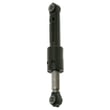
- Suspension: reduces vibration and keeps the tub stable (example: suspension spring WH03X29511).
- Control boards and wiring: run cycles and read sensors (example: main harness).
Quick “name to symptom” guide
If you are trying to match a problem to a part, this table helps narrow it down.
| Symptom | Parts commonly involved | What to check first |
|---|---|---|
| Won’t fill or fills slowly | Water inlet valve, fill hoses, screens | House water supply valves fully open; inlet screens clear |
| Won’t drain | Drain pump, tub-to-pump hose | Pump filter area for debris; hose for kinks |
| Door won’t lock or won’t start | Door lock, door latch, strike support | Door closes squarely; latch alignment |
| Loud banging or walking | Suspension, leveling, load balance | Leveling feet; avoid overloading |
Why it matters
Using the correct part name makes troubleshooting faster and helps you order the right replacement for the GE GFW550SPR4RS. For example, “won’t drain” usually points to the drain pump or a hose, while “won’t start” often points to the door lock or latch.
Helpful troubleshooting resource
If your washer is showing a code, we use the code to pinpoint the system involved; start with GE gfw front load washer error codes.
Last updated: February 2026
What is the life expectancy of a GE front load washer?
A GE front load washer like model GFW550SPR4RS typically lasts 10 to 14 years. You’ll get the longest life when you prevent odor and vibration issues, avoid overloading, and keep the drain and door seal areas clean so the machine can spin, drain, and lock the door reliably.
What affects washer lifespan the most
- Load size and balance: frequent overloading strains the drive system and suspension.
- Door seal care: wiping the boot after use helps prevent mold and leaks.
- Detergent choice: using HE detergent and the right amount reduces residue buildup.
- Drain health: slow draining forces longer pump run time and can shorten pump life.
- Door locking reliability: repeated slamming or forcing the door can damage the latch/lock.
Maintenance that helps you reach the 14-year range
- Leave the door slightly open between loads to dry the tub.
- Wipe the door boot and glass after the last load of the day.
- Run a monthly cleaning cycle (or a hot cycle with washer cleaner).
- Check pockets to keep coins, screws, and hairpins out of the pump.
- Level the washer and keep all feet firmly on the floor.
Common wear items and what they impact
| Symptom | Likely area | Example part for GFW550SPR4RS |
|---|---|---|
| Door won’t lock or cycle won’t start | Door lock/latch system | GE washer door lock WH01X29528 |
| Won’t fill or fills slowly | Water inlet valve | Water valve WH23X29538 |
| Won’t drain, drains slowly, or leaves water | Drain pump / drain path | GE washer drain pump assembly WH11X39237 |
Why it matters
A front load washer’s biggest “life shorteners” are moisture-related odor/mold, chronic vibration from unbalanced loads, and restricted draining. Simple habits (drying the boot, correct detergent, and keeping the drain path clear) reduce stress on high-cost components like the control system, motor, and tub.
Last updated: February 2026
What is the most common problem with GE washers?
The most common problems we see on GE washers like model GFW550SPR4RS are drain-related issues (slow or no drain), fill problems (won’t fill or fills slowly), and door lock or latch faults that prevent starting. These symptoms often trace back to a clog, a worn pump, or a failing door-lock system.
Most common issues and what they look like
- Washer won’t drain or stops mid-cycle: water left in the tub, humming during drain
- Washer won’t fill or fills slowly: long fill times, hot or cold water missing
- Washer won’t start or door won’t lock: clicking at the door, cycle won’t begin
- Excess vibration or banging: walking, off-balance shutdowns
- Intermittent errors or dead controls: random resets, unresponsive buttons
Quick checks you can do first (before replacing parts)
- Unplug the washer for 2 minutes, then restore power (simple reset).
- Confirm both supply valves are fully open and inlet hoses are not kinked.
- Check the drain hose for kinks and verify the standpipe is not blocked.
- Reduce load size and avoid mixing heavy items (helps prevent imbalance).
- If the door won’t lock, inspect the strike area for cracks or looseness.
Parts that commonly fix these symptoms on GFW550SPR4RS
| Symptom | Likely system | Example part for this model |
|---|---|---|
| Won’t start, door won’t lock | Door lock/latch | GE washer door lock WH01X29528 |
| Won’t fill or fills slowly | Water inlet valve | Water valve WH23X29538 |
| Won’t drain, water left in tub | Drain pump/hose path | GE washer drain pump assembly WH11X39237 |
Why it matters
Drain, fill, and door-lock problems can mimic bigger failures (like a control board issue). Starting with the simple checks above helps you avoid unnecessary parts replacement and gets the washer back to normal cycles faster.
For error-code driven troubleshooting on GE front-load models, use our GE gfw front load washer error codes guide.
Last updated: February 2026


