




How to fix leaking GE Cafe dishwasher corner baffle replacement?
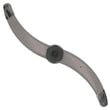
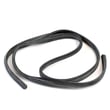
If your GE dishwasher (model GDF550PGR6BB) is leaking at the front corner, replacing the corner tub baffle is a solid fix when the old baffle is torn, warped, or not seated. We fix it by cleaning the mounting channel, sliding the new baffle fully into place, and pressing it in evenly so it seals.
Before you replace the corner baffle
A corner leak is often caused by splash-out or a poor seal at the tub edge. Check these first so the new baffle actually solves the problem:
- Confirm the leak is from the front lower corner, not the door gasket center
- Look for soap residue, grease, or mineral buildup where the baffle seats
- Check the door gasket for rips, flattening, or gaps at the corners
- Make sure the dishwasher is level (a forward tilt can push water toward the door)
- Reduce oversudsing: use less detergent and avoid hand-soap contamination
Corner baffle replacement steps (typical GE design)
- Shut off power at the breaker (dishwashers are hardwired or plugged in under the sink).
- Open the door and locate the corner baffle at the leaking corner of the tub opening.
- Pull the old baffle out; if it is stuck, work it out gently so you do not bend the tub lip.
- Clean the channel thoroughly; remove soap film and debris so the new baffle can seat.
- Slide the new baffle into position and press firmly along its length until fully seated.
- Run a short cycle and watch the corner for drips.
Quick diagnosis guide
| What you see | Most likely cause | What to do next |
|---|---|---|
| Drips only during wash action | Splash-out from loading or spray arm issue | Re-load, check spray arms for clogs and cracks |
| Leak worsens with lots of suds | Wrong detergent or too much detergent | Switch to dishwasher detergent; reduce amount |
| Leak at both corners | Door gasket not sealing or unit not level | Inspect gasket; level the dishwasher |
Why it matters
A leaking corner can send water under the dishwasher, which can damage flooring and cabinets. A properly seated corner baffle helps control splash and directs water back into the tub where it belongs.
For additional troubleshooting if the dishwasher shows an error or won’t run after repairs, use GE electronic dishwasher error codes.
Last updated: February 2026
What is the average lifespan of a GE dishwasher?
A GE dishwasher typically lasts about 10 years with normal household use. For your GE GDF550PGR6BB, consistent cleaning, correct detergent use, and fixing small issues early (drain, fill, heat, or spray problems) are the biggest factors in reaching or beating that average.
Typical lifespan and what affects it
Most modern dishwashers fall into a similar range, but real-world life depends on usage and water conditions.
- Typical range: 8 to 12 years
- Heavy use (multiple loads daily): often shorter
- Hard water and poor filtration: can shorten pump, heater, and valve life
- Regular maintenance: helps prevent clogs, leaks, and wash performance issues
| Usage pattern | What we typically see | Best focus area |
|---|---|---|
| Light (2 to 4 loads/week) | Often 10 to 12 years | Keep seals and filters clean |
| Average (5 to 7 loads/week) | Around 9 to 11 years | Prevent drain and spray-arm clogs |
| Heavy (1 to 2 loads/day) | Around 7 to 10 years | Address issues early; avoid overheating and buildup |
How to help your GE GDF550PGR6BB last longer
- Clean the filter area and sump regularly; remove labels, glass, and food debris.
- Run hot water at the sink before starting a cycle to improve wash and dissolve detergent.
- Use the right detergent amount; too much can leave residue, too little reduces cleaning.
- Check spray arms for blocked holes and clear them if wash quality drops.
- Keep the door gasket clean and inspect for tears to help prevent leaks.
- If you see standing water or slow draining, troubleshoot right away.
Why it matters
A dishwasher that is maintained tends to keep wash pressure, heating, and draining working efficiently. That reduces strain on key components like the circulation pump, drain pump, inlet valve, and heater, which are common drivers of early failure.
Helpful troubleshooting resources
- If your dishwasher shows a code or beeps, use GE dishwasher error codes.
Last updated: February 2026
What is the most common problem with GE dishwashers?
The most common issue we see with GE dishwashers (including model GDF550PGR6BB) is a no-start or won’t-run complaint. In most cases, the cause is simple: the door is not latching fully, power is interrupted, or the controls are not accepting a cycle start.
Quick checks that fix the most “won’t start” calls
- Confirm the door closes firmly and the latch clicks; a misaligned door can prevent the control from running.
- Check the house breaker or GFCI outlet (if used) and restore power.
- Cancel and restart the cycle; some control states need a reset after an interruption.
- Make sure the control lock is off (if your console has it).
- Verify water is turned on at the shutoff valve under the sink.
Other common GE dishwasher problems (and what they usually point to)
| Symptom | What it commonly indicates | First DIY action |
|---|---|---|
| Not draining | Clog in filter/sump, blocked drain hose, or disposal knockout issue | Clean filter area; check drain path |
| Not cleaning well | Spray arm blockage, low water fill, or heavy soil buildup | Clear spray arm holes; run a cleaning cycle |
| Not drying | Rinse aid empty, heater issue, or plastic load expectations | Add rinse aid; use heated dry options |
| Unusual noise | Item contacting spray arm, worn pump, or debris in sump | Remove debris; re-load to prevent contact |
Why it matters
A dishwasher that won’t start is often a safety interlock or power issue, not a major failure. Handling the quick checks first prevents unnecessary part replacement and helps you narrow the problem to the latch, user interface, or control.
When an error code is showing
If your GE dishwasher displays a code or flashing pattern, use our code list to pinpoint the failure path before troubleshooting further: GE electronic dishwasher error codes.
Last updated: February 2026





