




Are gas pressure washers 2 stroke or 4 stroke?
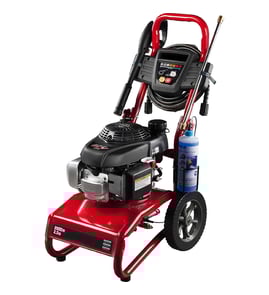
Most gas pressure washers, including many Troybilt units like model 020296-01, use a 4-stroke engine (separate gasoline and engine oil). A smaller number of older or specialty units use 2-stroke engines (premixed fuel and oil), so checking your engine’s fill points is the fastest way to confirm.
Quick ways to tell (no tools needed)
- 4-stroke: has an engine oil fill cap/dipstick and a separate gas tank
- 2-stroke: typically no oil dipstick; fuel is gas mixed with 2-cycle oil
- Look for labels like “SAE 10W-30” (4-stroke oil) or “50:1 mix” (2-stroke mix)
- If you see an oil drain plug on the crankcase, it’s a 4-stroke
- If the unit has a low-oil shutdown feature, it’s almost always 4-stroke
What fuel and oil to use (typical guidance)
Because no model-specific documentation is provided here, use these common standards for gas pressure washer engines:
| Engine type | Fuel | Engine oil | What you do before starting |
|---|---|---|---|
| 4-stroke | Straight gasoline | Fill crankcase with engine oil | Check oil level; top off if needed |
| 2-stroke | Gas + 2-cycle oil mix | No separate crankcase fill | Mix fuel accurately; shake container |
Why it matters
Using straight gas in a 2-stroke engine can damage the engine quickly; using mixed fuel in a 4-stroke can cause heavy smoke, fouled spark plug, and poor performance. Confirming engine type also helps when diagnosing low power, surging, or stalling.
Related repair and performance tips
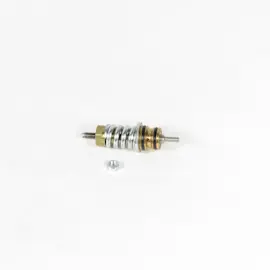
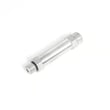
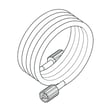
If your pressure washer runs but pressure is inconsistent, the issue is often in the pump regulation side, not the engine. For this model, common service items include the unloader kit 772235 and the pressure washer hose 84006753. For step-by-step help, use how to replace a pressure washer unloader valve.
You can order replacement parts for Troybilt 020296-01 from the parts list for this model, or search by model number on Sears PartsDirect.
Last updated: February 2026
How many PSI do you need for a good gas pressure washer?
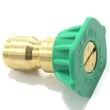
For most homeowners, a good gas pressure washer typically falls in the 1,300 to 2,800 PSI range for routine cleaning like patios, siding, and vehicles. Your Troybilt 020296-01 can still perform poorly at any PSI if the hose, spray tip, or unloader system is worn.
Quick PSI guide by job
- 1,300 to 2,000 PSI: cars, outdoor furniture, grills (use a wider spray tip)
- 2,000 to 2,800 PSI: decks, fences, most concrete cleaning
- 2,800 to 3,500 PSI: heavy concrete stains, large driveways (more risk of surface damage)
- 3,500+ PSI: pro-level work; easy to etch wood and concrete if technique is off
PSI vs GPM: what actually feels “powerful”
PSI is the force; GPM (gallons per minute) is the rinse and cleaning speed. Many customers are happier with slightly lower PSI and higher flow because it cleans faster.
| What you’re comparing | Higher PSI does | Higher GPM does |
|---|---|---|
| Cleaning impact | Increases “bite” on stuck-on grime | Flushes dirt away faster |
| Risk | More likely to damage wood, paint, mortar | Less likely to etch surfaces |
| Best for | spot cleaning, stubborn stains | large areas, faster rinsing |
If your washer feels weak even with “enough PSI”
These issues are common on gas pressure washers and often look like low PSI:
- A worn or leaking hose (pressure loss under load); check the couplers and jacket for bulges or seepage
- A clogged spray tip/nozzle; clean or swap tips before assuming a pump problem
- An unloader valve problem (pressure surges, low pressure, or pressure that won’t adjust)
- Air leaks on the inlet side (garden hose connection, filter screen)
- Low engine RPM from old fuel, dirty air filter, or incorrect choke position
If you suspect a pressure-regulation issue, the unloader kit 772235 is the model-matched replacement part we list for the 020296-01.
Why it matters
Choosing the right PSI helps you clean efficiently without damaging surfaces. Just as important, keeping the hose and unloader system in good shape helps your Troybilt 020296-01 deliver steady pressure when you pull the trigger.
For replacement parts for your Troybilt 020296-01, order from the parts list for this model or search by model number on Sears PartsDirect.
Last updated: February 2026
What type of gas for a troy bilt pressure washer?
For the Troybilt pressure washer model 020296-01, we use unleaded gasoline in the 84 to 90 octane range with 10% ethanol or less. Avoid higher-ethanol fuels (such as E15) because they commonly cause hard starting, surging, and fuel-system damage in small engines.
Recommended fuel (what to put in the tank)
- Unleaded gasoline, 84 to 90 octane
- E0 to E10 (0% to 10% ethanol)
- Fresh fuel (best practice: buy only what you will use in about 30 days)
- Store fuel in a clean, approved gas can
Fuels to avoid
- E15, E20, E85 (more than 10% ethanol)
- Old, stale gasoline (common cause of “won’t start” and “losing power” symptoms)
- Gas mixed with water or debris (often from dirty containers)
Quick fuel checklist for best performance
- Turn the fuel valve on (if equipped) and set the choke correctly for a cold start.
- Use the correct spray tip and keep the nozzle clear so the engine is not overloaded.
- If the engine hunts or surges, drain the tank and refill with fresh E0 to E10 fuel.
- If pressure spikes or the engine bogs when you release the trigger, inspect the unloader system.
Common fuel choices at a glance
| Fuel at the pump | Ethanol content | Use it in model 020296-01? |
|---|---|---|
| Regular unleaded | Usually E10 | Yes |
| Ethanol-free unleaded | E0 | Yes |
| Unleaded “88” | Often E15 | No |
| Flex fuel | E85 | No |
Why it matters
Using the right gasoline helps your Troybilt 020296-01 start easier, run smoother under load, and reduces carburetor varnish and fuel-line deterioration that can lead to no-start and power-loss problems.
If you are also chasing pressure surging or stalling when you let off the trigger, the unloader kit 772235 is a common repair item on many gas pressure washers, and our DIY guide pressure washer won't start can help you narrow down fuel-related causes.
You can order replacement parts for your Troybilt 020296-01 from the parts list for this model, or search by model number on Sears PartsDirect.
Last updated: February 2026