 Owner’s manual
 View engine
Are gas lawn mowers being phased out?
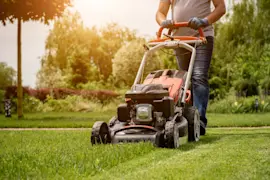
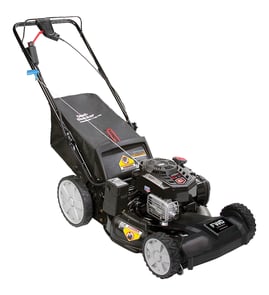
Gas walk-behind mowers like the Craftsman 24738520 are not disappearing overnight, but new gas equipment sales are tightening in some areas as more homeowners shift to battery-electric models. For existing mowers, parts support and safe operation remain the priority; follow the 24738520 owner's manual for fuel handling and safety rules.
What “phased out” usually means
Most changes happen in stages, and they vary by location and retailer.
- Some states and cities restrict new sales of certain gas-powered outdoor equipment.
- Many retailers are expanding electric options because they are quieter and lower maintenance.
- Gas mowers remain common for larger yards, heavy grass, and long run times.
- Existing gas mowers can still be used and maintained; routine service keeps them reliable.
- Safety requirements do not change: keep bystanders away and use extra caution on slopes.
What to do if you own a Craftsman 24738520 today
Focus on maintenance, safe fueling, and keeping wear parts in good shape.
- Use an approved gasoline container and clean up spills immediately.
- Let the engine cool before refueling.
- Do not mow wet grass; footing can slip.
- Avoid steep slopes; walk-behind mowers should be used across the face of slopes.
- Keep the discharge cover in place; replace damaged discharge components.
Quick reference: common ownership decisions
| If your priority is... | Gas mower (like 24738520) | Battery-electric mower |
|---|---|---|
| Long run time per session | Strong | Depends on battery capacity |
| Maintenance simplicity | More upkeep (fuel, tune-ups) | Less routine upkeep |
| Noise and exhaust | Higher | Lower |
Why it matters
Even where new sales change, safe operation stays the same. The manual for the 24738520 highlights key risks like rotating blades, thrown debris, carbon monoxide, hot surfaces, and gasoline flammability; following those rules helps prevent injuries and equipment damage.
Last updated: January 2026
Is it okay to pull a self-propelled mower backwards?
Yes, it’s okay to pull your Craftsman walk-behind mower model 24738520 backward when you need to reposition it. For safety, we recommend backing up slowly and in short pulls so you don’t trip or pull the mower onto your feet; follow the steps in the 24738520 owner’s manual.
Safe way to pull the mower backward
The key risk is not the drive system; it’s losing footing and getting too close to the cutting deck.
- Stop forward motion first and keep a firm, balanced stance.
- Step back from the mower so your arms are fully extended.
- Look down and behind you to avoid tripping.
- Pull the mower back slowly, no more than about half the distance toward you.
- Repeat as needed until you clear the wall, curb, or obstruction.
- Keep hands and feet away from the cutting deck at all times.
When to avoid pulling backward
Avoid backing up if any of these apply:
- You are on a slope or uneven ground where footing is uncertain.
- The grass is wet and slippery.
- You are close to people, pets, or loose debris that could be thrown.
Quick guidance: engine running vs. engine off
| Situation | Best practice | Why |
|---|---|---|
| Repositioning near a wall/obstruction | Back up slowly in short pulls | Reduces trip and fall risk |
| Any time you feel unsteady | Release the blade control handle | Stops the engine and blade |
| Before adjustments or inspection | Stop engine and disconnect spark plug wire | Prevents unintended starting |
Why it matters
Many mower injuries happen during slips or trips while repositioning. Backing up slowly, staying balanced, and using the blade control handle correctly helps prevent the mower from being pulled over your foot and keeps you away from rotating parts.
Last updated: January 2026
What is the average lifespan of a gas lawn mower?
A typical gas walk-behind mower like the Craftsman 24738520 lasts 8 to 15 years with normal residential use; around 10 to 12 years is common when it gets routine maintenance and proper off-season storage. For model-specific maintenance intervals, follow the 24738520 owner's manual.
What determines lifespan most
- Annual run time: Many walk-behind mowers see about 20 to 25 hours per year.
- Maintenance consistency: Oil changes, clean air filter, and a sharp blade reduce engine strain.
- Deck care: Cleaning grass buildup helps prevent corrosion and performance issues.
- Storage habits: Fuel management and dry storage prevent carburetor and rust problems.
- Impact damage: Hitting debris can bend the blade or damage the deck, shortening mower life.
Maintenance habits that extend life
We recommend these high-impact habits (all consistent with safe practices in the manual):
- Disconnect the spark plug wire before service.
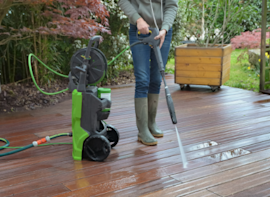
- Avoid washing the deck with a garden hose or pressure washer; scrape debris instead.
- Keep the engine area clean to reduce overheating risk.
- If you strike an object, stop the engine and inspect for damage before using again.
- For storage over 30 days, run the engine out of fuel or use a fuel additive, then store dry.
Quick lifespan guide (typical residential use)
| Condition | What you usually see | Typical lifespan |
|---|---|---|
| Well maintained, stored properly | Reliable starts, steady power | 12 to 15 years |
| Average maintenance | Occasional starting issues | 8 to 12 years |
| Neglected or stored with old fuel | Frequent no-start, vibration, rust | 3 to 8 years |
Why it matters
Knowing the typical lifespan helps you decide when to tune up versus replace. If your mower is vibrating heavily, cutting unevenly, or showing deck damage, addressing it early can prevent bigger failures and keep your Craftsman mower running longer.
Last updated: January 2026