




What is the most reliable brand of gas dryer?
Speed Queen is the most reliable gas dryer brand for long-term durability because its machines are built closer to commercial standards and tend to have fewer feature-driven failures. For a balance of reliability, performance, and modern features, LG and Whirlpool-family brands (Whirlpool, Maytag) are also strong picks.
Reliability usually comes down to simpler design, sturdier drive components, and easier airflow maintenance.
- Fewer electronic features typically means fewer failure points
- Strong drum support and belt drive parts reduce squeaks, thumps, and premature wear
- Consistent heat depends on safe, stable burner ignition and good venting
- Parts availability matters for keeping a dryer running 10 to 15 years
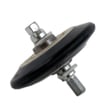
If you already own a GE GFD65GSSV0WW, the most reliable path is keeping wear items and airflow in top shape. Common reliability-related parts on this model include the dryer drum support roller assembly WE03X10016, dryer drum belt WE03X29704, and dryer burner igniter WE04X10183.
| Brand | Reliability focus | Best for |
|---|---|---|
| Speed Queen | Heavy-duty build, simpler controls | Maximum lifespan, heavy use |
| LG | Strong performance, feature set | Performance plus convenience |
| Whirlpool / Maytag | Serviceability, broad parts ecosystem | Straightforward ownership |
| GE | Solid mainstream designs | Good value, repairable with common parts |
These choices have the biggest impact on real-world reliability, regardless of brand:
- Choose a model with fewer “smart” features if longevity is the top goal
- Keep the lint screen and venting clean to prevent overheating and shutdowns
- Listen for early signs of wear (squeal, rumble, thump) and replace rollers or belt promptly
- Confirm the dryer heats consistently and cycles off correctly (overheating shortens part life)
- Use error codes as a diagnostic shortcut when the dryer stops mid-cycle
For GE GFD-series troubleshooting, we use GE gfd model series error codes to interpret display faults and narrow down likely causes.
A gas dryer can last 10 to 15 years when airflow is strong and wear parts are replaced before they damage the drum, motor, or blower housing. Reliability is often less about the logo and more about maintenance, venting, and timely replacement of belt and support components.
Last updated: February 2026
What is the most common problem with a GE dryer?
The most common problem we see with GE dryers like model GFD65GSSV0WW is poor drying or no heat caused by restricted airflow (lint buildup or a clogged vent). The next most common issues are “won’t start” symptoms and squealing or thumping noises from worn drum support parts.
- Takes too long to dry / clothes still damp: blocked lint screen, crushed vent hose, clogged wall vent, or a failing thermostat
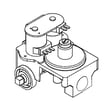
- No heat (gas models): igniter or gas valve issue, or a safety device opening due to overheating
- Won’t start: door not latching, failed door switch, or control problem
- Squealing, grinding, thumping: worn rollers, idler, or belt
- Stops mid-cycle: overheating from poor airflow, or a motor/control issue
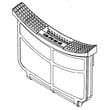
- Clean the lint screen and confirm it is seated correctly (replace if damaged, such as dryer lint screen WE16X32537).
- Inspect the vent path end-to-end; remove lint, straighten kinks, and confirm strong airflow outside.
- Confirm the door closes firmly; check the latch and strike alignment.
- If the dryer runs but is noisy, listen for a rhythmic thump or squeal that changes with drum speed.
| Symptom | Common wear item | Example part on this model page |
|---|---|---|
| Squealing or rumbling | Drum support roller | Dryer drum support roller assembly WE03X10016 |
| Squealing or belt slip | Idler/pulley | Dryer idler assembly WE03X30657 |
| Drum not turning | Belt | Dryer drum belt WE03X29704 |
| Won’t start when door closes | Door switch | Door switch WE04X34281 |
| No heat (gas) | Ignition component | Dryer burner igniter WE04X10183 |
Airflow problems do more than slow drying; they can overheat the dryer and trigger safety thermostats, shorten the life of the drive motor, and increase energy use. Fixing airflow first prevents repeat failures and helps any new parts last longer.
- Use GE gfd model series error codes if your dryer is displaying a code or beeping.
Last updated: February 2026
Is a 7.3 cubic foot dryer big?
Yes. A 7.3 cubic foot dryer is a large-capacity size for a residential dryer; it comfortably handles family loads and many bulky items. For your GE GFD65GSSV0WW, use the capacity listed on the model’s rating label to match load size to the exact drum volume.
Most full-size dryers fall into these general capacity bands:
- 3.4 to 4.4 cu. ft.: compact
- 5.0 to 6.0 cu. ft.: standard
- 6.1 to 7.0 cu. ft.: large
- 7.1 cu. ft. and up: extra-large
| Capacity | Common label | Typical use |
|---|---|---|
| 5.0 to 6.0 cu. ft. | Standard | Smaller households, lighter weekly laundry |
| 6.1 to 7.0 cu. ft. | Large | Most households, towels and mixed loads |
| 7.1+ cu. ft. | Extra-large | Bulky bedding, fewer loads per week |
A larger drum helps most when you avoid packing it tight. We recommend:
- Load loosely; stop around 3/4 full for mixed loads
- Dry comforters and blankets one at a time when possible
- Clean the lint screen every load for strong airflow (see dryer lint screen WE16X32537)
- If drying slows down, check venting for restrictions and lint buildup
- Use cycle settings that match fabric weight (heavy towels vs. light synthetics)
Capacity is about tumbling space, not just fitting more clothes. More space improves airflow and heat distribution, which helps reduce damp spots, long dry times, and wrinkling.
Last updated: February 2026
How many years should a GE washing machine last?
A GE washing machine typically lasts 10 to 14 years with normal household use and basic maintenance. Since GFD65GSSV0WW is a GE dryer model, use that washer range for planning, and use dryer-specific troubleshooting if you are diagnosing this appliance.
These ranges help you decide whether a major repair is worth it:
- Top-load washers: 12 to 15 years
- Front-load washers: 10 to 12 years
- High-usage households (multiple loads daily): 8 to 10 years
A washer lasts longer when stress, moisture, and residue are kept under control:
- Avoid overloading; it strains the drive system, suspension, and tub bearings
- Use the correct detergent amount; excess suds and residue increase wear
- Leave the lid or door open after cycles to reduce moisture and odor
- Check pockets; coins and screws commonly damage pumps and tubs
- Fix leaks quickly; water damage often leads to motor or control failures
For dryer problems, start with the symptom and the most common wear parts:
| Dryer symptom | Common cause | Example part on this model page |
|---|---|---|
| Loud thumping or squealing | Worn rollers or idler | Dryer drum support roller assembly WE03X10016 or dryer idler assembly WE03X30657 |
| Drum not turning | Broken belt | Dryer drum belt WE03X29704 |
| Dryer will not start | Door switch not closing | Door switch WE04X34281 |
Using a clear lifespan range helps you budget for repairs and avoid sinking money into an older machine when multiple high-cost failures are likely.
For dryer error-code help on this GE platform, use GE gfd model series error codes.
Last updated: February 2026





