View engine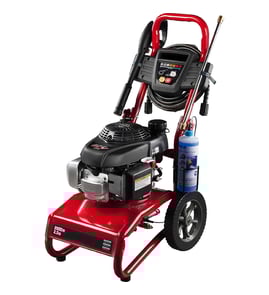



Are Craftsman gas pressure washers any good?
Craftsman gas pressure washers like model CMXGWAS021020 are a solid choice for typical home cleaning jobs when they are maintained correctly; they are known for strong cleaning power and straightforward setup. Long-term satisfaction usually comes down to using the right hoses, avoiding pump abuse, and keeping up with basic engine oil service.
What “good” looks like for a gas pressure washer
A gas pressure washer is “good” when it starts reliably, holds steady pressure, and does not leak or vibrate excessively during normal use.
Common signs you are set up for success:
- You use a quality supply hose and confirm full water flow before starting the engine.
- You purge air from the system (trigger on) before applying load.
- You avoid running the pump dry, even briefly.
- You store it drained and protected from freezing.
- You keep up with oil changes using the correct oil type.
Quick durability checklist (what to do before you judge it)
These steps prevent many “bad washer” complaints that are really setup or maintenance issues:
- Inspect the inlet screen and hose connections for debris and leaks.
- Confirm the garden hose is not kinked and delivers strong flow.
- Start with the spray gun triggered to reduce initial pump stress.
- Do not leave the unit idling in bypass (gun off) for extended periods.
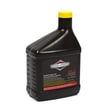
- Change engine oil on schedule; use 4-cycle engine oil, sae30, 18-oz 100005.
Parts that often affect performance
If you are seeing leaks, pulsing pressure, or poor output, these model-matched parts are common starting points:
| Symptom | What to check first | Example part for CMXGWAS021020 |
|---|---|---|
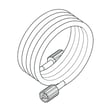
| Leaks at connections | Hose fittings, O-rings, cracked hose | Pressure washer water hose 84006753 |
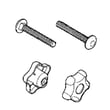
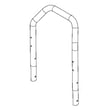
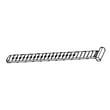
| Excess vibration or instability | Handle hardware, frame attachments | Pressure washer handle attachment kit 84001720 |
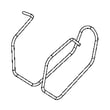
| Hose dragging or kinking during use | Storage and routing | Pressure washer hose hanger 84001723 |
Why it matters
Gas pressure washers deliver high cleaning power, but the pump depends on consistent water supply and proper operating habits. A few minutes of correct setup and routine oil service can make the difference between years of reliable use and early wear.
Last updated: February 2026
Can you put 87 gas in a pressure washer?
Yes. For the Craftsman CMXGWAS021020 gas pressure washer, regular unleaded gasoline with an 87 octane rating is the normal, correct fuel choice for most small 4-cycle pressure washer engines; higher octane is usually unnecessary unless your engine specifically calls for it.
What fuel to use (and what to avoid)
Use fresh, clean fuel and keep it simple:
- Use regular unleaded gasoline (87 octane).
- Buy fuel in small quantities so it stays fresh.
- Avoid old gas (stale fuel is a top cause of hard starting and surging).
- Avoid mixing oil into the gas (this is a 4-cycle setup).
- If your area sells E15 (15% ethanol), skip it; most small engines run best on E10 or ethanol-free fuel.
Quick fuel guide
| Fuel type | Typical result in a gas pressure washer | Recommendation |
|---|---|---|
| 87 octane regular unleaded | Normal starting and performance | Best everyday choice |
| 89 to 93 octane | No added cleaning power or pressure | OK, but not needed |
| E15 (15% ethanol) | More risk of fuel system issues in small engines | Avoid |
| Old/stale gasoline | Hard starting, surging, stalling | Drain and replace |
If it runs rough after refueling
These steps fix most “bad gas” symptoms:
- Drain the tank and refill with fresh 87 octane.
- Check the air filter and spark plug condition.
- Inspect the water supply and inlet screen; low water flow can mimic engine problems.
- Confirm you are using the correct engine oil level; top off with 4-cycle engine oil, sae30, 18-oz 100005 if needed.
- If the unit still surges, the carburetor may need cleaning (common after storage).
Why it matters
Using the right gasoline helps the engine start easily, prevents varnish buildup in the carburetor, and reduces downtime. Higher octane does not increase PSI; pressure is primarily controlled by the pump and nozzle, not premium fuel.
Last updated: February 2026
Is it worth repairing a pressure washer?
Yes; repairing a Craftsman CMXGWAS021020 gas pressure washer is worth it when the problem is a wear item or external accessory (hose, handle, wheels, storage hardware). Replacement makes more sense when the pump or engine has major internal damage and the total repair cost is about half the price of a comparable new unit.
Quick decision checklist
- Repair when the engine starts and runs normally but pressure is low due to a kinked hose, clogged inlet screen, or wrong nozzle.
- Repair when you have leaks at the hose connection or damaged couplers.
- Repair when the frame, handle, and wheels are solid and only a few parts are worn.
- Replace when the engine has severe knocking, low compression, or will not run after basic fuel and spark checks.
- Replace when the pump has persistent loss of pressure after basic checks, loud internal noise, or contaminated pump oil.
Common “worth repairing” fixes for this model
| Symptom | Likely cause | Practical fix | Example part |
|---|---|---|---|
| Water leaking at hose connection | Worn hose or damaged coupling | Replace hose; reseat and tighten fittings | Pressure washer water hose 84006753 |
| Hose drags or will not store | Broken hanger | Replace hanger | Briggs & statton pressure washer hose hanger 84001723 |
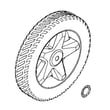
| Hard to move | Worn wheel | Replace wheel; check axle hardware | Briggs & statton pressure washer wheel 84001734 |
| Handle loose or broken | Handle or mounting hardware failure | Replace handle or attachment kit | Briggs & stratton pressure washer handle attachment kit 84001720 |
Why it matters
Fixing flow restrictions and worn accessories restores safe water flow, reduces strain on the pump, and prevents overheating and seal damage. That keeps performance up and extends the service life of the pressure washer.
Last updated: February 2026
What is a good PSI for a gas pressure washer?
For most home projects, a good PSI for a gas pressure washer like the Craftsman CMXGWAS021020 is typically 1,300 to 2,800 PSI. Use the lower end for vehicles and painted surfaces, and the higher end for concrete, brick, and heavy grime.
Quick PSI guide by job
- 1,300 to 1,900 PSI: cars, patio furniture, grills, windows (use wide spray tips)
- 2,000 to 2,800 PSI: decks, fences, siding (test a small area first)
- 2,800+ PSI: concrete driveways, masonry, stubborn stains (more risk of surface damage)
PSI vs GPM (what matters most)
PSI is the force; GPM (gallons per minute) is the rinsing power. For faster cleaning, a solid balance of both matters.
| Spec | What it affects | What to prioritize for home use |
|---|---|---|
| PSI | How hard the spray hits | Enough to break dirt loose without damaging surfaces |
| GPM | How fast you rinse away grime | Higher GPM for quicker cleaning time |
| Cleaning units (PSI x GPM) | Overall cleaning ability | Higher number generally cleans faster |
How to choose the right pressure on your washer
- Start with the widest spray tip and the lowest pressure that cleans effectively.
- Increase pressure gradually; keep the nozzle moving to avoid etching.
- Keep a consistent distance (many jobs clean well around 12 to 24 inches away).
- Make sure your water supply and hose are in good shape; restrictions reduce performance.
- If you see pulsing or weak pressure, check for kinks, clogged inlet screen, or air leaks on the supply side.
If your pressure seems low because of a worn, leaking, or restricted supply hose, replacing the inlet hose can restore flow to the pump; see the pressure washer water hose 84006753.
Why it matters
Using more PSI than the job needs can damage wood, strip paint, and etch concrete. Matching PSI to the surface gives better results with less risk and less time spent redoing work.
Last updated: February 2026