Owner’s manual
 View engine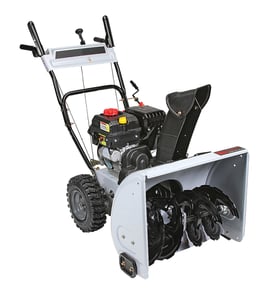
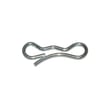


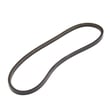

What company makes Craftsman snowblowers?
Craftsman snowblowers (including model 247883961) are built for the Craftsman brand by outside manufacturers; for many years, a major producer has been MTD (now part of Stanley Black & Decker’s outdoor power equipment group). The exact maker can vary by model and production year.
How to identify the manufacturer for model 247883961
The most reliable way is to match the ID information on your machine to the parts breakdown and labels.
- Check the data plate on the frame (often near the engine or rear housing)
- Look for an MTD-style model or product number format (common on Craftsman snow throwers)
- Compare your machine’s assemblies to the illustrated parts list in the 247883961 owner’s manual
- Use the engine label to identify the engine maker (engine brands can differ from the snowblower brand)
- Confirm by matching common service parts (cables, shear pins, pulleys) to your unit
What “Craftsman” means on a snowblower
Craftsman is the brand name on the machine. The snowblower itself is typically manufactured by a partner company, and components like the engine, belts, and controls may come from different suppliers.
Quick breakdown
| Item | What it tells you | Where to look |
|---|---|---|
| Snowblower manufacturer | Who built the chassis and drive/auger system | Data plate on the unit, parts diagrams |
| Engine manufacturer | Who built the engine | Engine shroud/label |
| Parts sourcing | What replacement parts fit | Model-based parts list |
Why it matters
Knowing the actual manufacturer helps you get the right replacement parts and adjustment procedures (for example, auger and drive cable routing, shear pin style, and friction wheel drive setup). For model 247883961, the manual’s parts diagrams and lists are the fastest way to confirm what you have before ordering parts.
Last updated: February 2026
Where is the serial number on a snowblower?
On most Craftsman snow throwers, including model 247883961, the model and serial number label is typically on the rear of the unit near the engine or frame. Use that full label information when ordering parts or looking up the correct manual.
Where to look on Craftsman 247883961
Check these common label locations first:
- Rear of the snowblower frame (behind the engine area)
- Back panel near the handles or lower handle supports
- Side of the frame rail near the wheels
- Under the belt cover area (sometimes on the frame, not the cover)
- Near the auger housing to frame connection point
For diagrams and identification notes, use the 247883961 owner's manual.
What numbers you might see (and what they mean)
The ID label can include several numbers. Here is how we recommend using them:
| Label item | What it’s used for | When you need it |
|---|---|---|
| Model number | Identifies the exact snowblower design | Always, especially for parts lookup |
| Serial number | Identifies your specific unit | Warranty, service history, some part revisions |
| Code/date number | Production date or build code | Helpful when matching updated parts |
Tips for reading the tag correctly
- Wipe off snow, salt, and grime; use a flashlight at an angle to make stamped text easier to read.
- Write the numbers down exactly as shown (include dashes and dots).
- Take a clear photo before the label fades further.
- If the label is damaged, check for a second tag on the frame near the wheels.
Why it matters
Craftsman snowblower parts can vary by production run. Using the model number (and serial or code number when available) helps match the correct drive cable, shear pin, chute parts, and hardware for your exact machine.
Last updated: February 2026
Can I use 5W30 instead of SAE 30 in my snowblower?
Yes. For Craftsman snow thrower model 247883961, we use 5W-30 engine oil; it is the correct choice for cold-weather starting and is the oil type specified for this machine in the 247883961 owner's manual.
What oil to use (and when)
For this model, the manual calls out 5W-30 and also notes the oil quality rating.
- Use 5W-30 with a minimum classification of SF/SG.
- Check the oil level before each use on a level surface with the engine off.
- Add oil slowly; keep the level between the dipstick H and L marks.
- Do not overfill; overfilling can cause smoking, hard starting, or spark plug fouling.
- For storage at season end, change the oil as part of the storage routine.
Quick comparison: 5W-30 vs SAE 30
| Oil type | Cold starting | Typical use case | Notes |
|---|---|---|---|
| 5W-30 | Better | Snowblower use in winter | Specified for model 247883961; good flow in cold temps |
| SAE 30 | Worse | Warmer-weather small engines | Can crank harder in cold; not the listed oil for this model |
How to check and top off oil on model 247883961
- Remove the oil fill cap/dipstick and wipe it clean.
- Insert dipstick into the fill neck without threading it in.
- Pull it back out and read the level.
- If low, add 5W-30 a little at a time and recheck.
- Tighten the cap/dipstick firmly before starting.
Why it matters
Using the specified viscosity helps the MTD engine in your Craftsman 247883961 lubricate quickly during cold starts, which reduces wear and helps prevent hard-starting issues that show up most often in freezing conditions.
Last updated: February 2026
How to tell year of Craftsman snowblower by serial number?
On Craftsman snow thrower model 247883961, the serial number typically encodes the build date; on many MTD-built Craftsman units, the first 5 characters identify month, day, and year within a decade. Use the date-code format shown in your 247883961 owner's manual to match your exact serial-number style.
Where to find the serial number
Most Craftsman snow throwers place the serial tag on the frame near the engine, behind the dash panel, or on the rear housing.
- Shut the engine off and let it cool
- Look for a metal or white sticker tag labeled Model and Serial
- Wipe off snow, oil, and grime so every character is readable
- Write the serial number exactly as shown (letters matter)
- Take a photo before the label fades further
Common Craftsman (MTD-style) serial date code
A very common MTD-style format uses the first 5 characters of the serial number as a build date.
| Serial characters | What they mean | Example interpretation |
|---|---|---|
| 2nd character (letter) | Month (A=Jan … L=Dec) | B = February |
| 3rd and 4th characters (numbers) | Day of month | 07 = 7th |
| 5th character (number) | Year within the decade | 1 = a year ending in 1 |
How to turn “year within the decade” into a full year
Use the machine’s era and features to choose the correct decade.
- If the unit style matches early-2000s Craftsman/MTD designs, a “1” often aligns with 2001
- If it matches early-2010s designs, a “1” often aligns with 2011
- If it matches early-2020s designs, a “1” often aligns with 2021
Why it matters
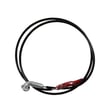
Knowing the build year helps us match the correct parts and diagrams for your 247883961, especially wear items like the snowblower auger clutch cable 946-04230A and Craftsman snowblower shear pin 738-04124A. It also helps when selecting tune-up parts and maintenance intervals.
Quick tips to avoid misreading the code
- “0” (zero) and “O” (letter O) are commonly confused
- Lightly rub pencil over paper on top of the tag to improve readability
- If the tag is missing, check for a stamped number on the frame nearby
Last updated: February 2026
How to tell if a snowblower auger belt is bad?
On Craftsman snow thrower model 247883961, a bad auger belt typically shows visible wear (cracks, fraying, glazing) and performance symptoms like the auger not staying engaged or the unit failing to discharge snow even when the auger control is held down. Confirm the auger control cable adjustment first using the 247883961 owner’s manual.
Quick signs the auger belt is worn or failing
- Auger slows down, stops, or surges while you’re holding the auger control
- Snow discharge distance drops noticeably
- Burning rubber smell after engaging the auger
- Belt looks shiny (glazed), cracked, frayed, or has missing chunks
- Belt feels loose or slips even after correct control adjustment
Rule out easier causes first (common on this model)
The manual’s troubleshooting points to several issues that can look like a “bad belt.” Check these in order:
- Shear pin(s) sheared: if an auger blade does not turn, inspect the shear pin and bow-tie clip
- Foreign object or ice jam: clear the chute and auger housing with a clean-out tool or stick (engine off, key removed)
- Auger cable needs adjustment: the cable should have very little slack when disengaged, but it should not be tight
- Auger belt loose or damaged: replace if worn or slipping
Fast comparison: belt problem vs. shear pin problem
| What you see | More likely cause | What to do next |
|---|---|---|
| One auger turns, the other does not | Shear pin sheared | Replace with correct shear pin |
| Both augers stop under load, belt smells hot | Belt slipping/worn | Inspect belt; replace if glazed/cracked |
| Auger won’t stay engaged unless you squeeze hard | Cable out of adjustment | Adjust auger control cable |
Why it matters
A slipping auger belt reduces throwing power and can overheat, which accelerates belt wear and can leave you with a snowblower that will not discharge snow when you need it most.
Parts that are commonly involved
If you confirm a shear pin issue, use the correct replacement specified for this model: Craftsman snowblower shear pin 738-04124A.
Last updated: February 2026
How long should a gas snowblower last?
For the Craftsman snow thrower model 247883961, plan on about 7 years or 60 hours of operation as an average useful life; with consistent maintenance and correct off-season storage, many owners get additional seasons of reliable use. For the exact maintenance schedule and storage steps, follow the 247883961 operator's manual.
What “7 years or 60 hours” means in real use
This guideline is based on typical homeowner usage. If you run your snowblower a few hours per storm, 60 hours can add up quickly in heavy winters.
| Usage pattern | Hours per season (typical) | 60 hours equals | What to expect |
|---|---|---|---|
| Light snowfall area | 5 to 10 | 6 to 12 seasons | Longer life with basic upkeep |
| Moderate snowfall area | 10 to 20 | 3 to 6 seasons | Wear items need periodic replacement |
| Heavy snowfall area | 20 to 30+ | 2 to 3 seasons | More frequent service and adjustments |
Maintenance that extends snowblower life
We see the biggest lifespan gains from fuel care, lubrication, and catching wear early.
- Run the machine a few minutes after use to clear snow and reduce freeze-up in the auger/impeller.
- Inspect the fuel line, tank, cap, and fittings for cracks or leaks; replace worn parts promptly.
- For storage over 30 days, run the engine until it runs out of fuel (do not pour fuel out of the engine).
- Change engine oil at the end of the season.
- Remove debris from around the engine and muffler area.
- Lightly oil or silicone-coat chains, springs, bearings, and cables to help prevent rust.
When annual inspection matters
At the end of the average useful life, an annual inspection helps confirm that mechanical and safety systems are operating correctly and not excessively worn.
Common wear items to watch
These parts often take the most abuse in deep snow, ice, or when the auger hits debris:
- Shear pins (protect the auger and gearbox)
- Drive system friction components
- Cables and linkages (auger and drive engagement)
- Belts and idler pulleys
Why it matters
A snowblower that is past its typical service life can still run well, but worn drive and auger components reduce throwing performance and can lead to sudden no-drive or no-auger symptoms during a storm.
Last updated: February 2026
Is it worth fixing a snowblower?
Yes, it’s worth fixing a Craftsman snow thrower model 247883961 when the problem is a wear item or adjustment (shear pins, cables, friction wheel, belts) and the total repair cost stays well below the price of a comparable new machine; major gearbox or engine repairs usually shift the value toward replacement.
Quick decision checklist
- If it starts reliably and throws snow well after a basic tune-up, repair it.
- If the auger stops because a shear pin broke, repair it (this is a normal protection feature).
- If the drive slips or won’t move, check the friction wheel and hex shaft condition.
- If multiple major assemblies are failing at once (gearbox plus drive plus controls), replacement is usually the better value.
- If you can do the repair yourself, the value of fixing it goes up fast.
Common “worth it” repairs on this model
Many fixes on the 247883961 are straightforward and parts-based.
| Symptom | Likely fix | Typical cost level |
|---|---|---|
| Auger won’t turn after hitting ice/object | Replace shear pin(s) with the correct type | Low |
| Auger engages poorly or won’t stay engaged | Adjust or replace auger clutch cable | Low to medium |
| Unit won’t drive or drive is weak | Inspect/replace friction wheel; lubricate hex shaft | Medium |
| Chute control feels stiff | Lubricate/adjust chute control components | Low |
Parts that often make sense to replace
- Use only the specified shear pins; the manual warns that using substitutes can lead to gearbox damage.
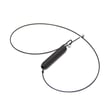
- If your auger control feels stretched or inconsistent, replacing the cable is often a high-value fix.
Helpful part examples for this model:
Why it matters
A snowblower is designed with sacrificial parts (especially shear pins) to prevent expensive damage. Fixing the correct “weak link” restores performance and protects high-cost assemblies like the auger gearbox.
What we recommend before you decide
- Review the maintenance and shear pin guidance in the Craftsman 247883961 owner’s manual.
- Price out the specific parts you need (shear pins, cables, friction wheel) and compare to a new unit.
- If you store it for the season, follow the manual’s storage steps (cleaning, rust prevention, and fuel safety) to avoid repeat problems.
Last updated: February 2026
How many HP is a 243cc snow blower?
A 243cc gas snowblower engine is 8 HP. On Craftsman snow thrower model 247883961, you will also see some sellers use “HP” as a marketing class name (for example, “26 HP” tied to clearing width), but the engine’s actual output is in the 8 HP range. Confirm the exact engine label and specs in the 247883961 owner's manual.
What “243cc” means for power
243cc is engine displacement; it places the engine in a common mid-size two-stage snowblower class. Horsepower varies slightly by engine design and governed RPM, but 243cc engines are consistently sold and serviced as 8 HP class engines.
Key factors that affect real-world power:
- Governed RPM under load
- Carburetor tuning and fuel quality
- Spark plug condition and ignition strength
- Airflow (clean air filter, clear cooling fins)
- Drive system efficiency (belts, friction wheel, hex shaft)
Better ways to compare snowblower capability than HP
HP alone does not tell you how well a snowblower will move or throw snow. These specs and conditions matter more:
- Clearing width and intake height
- Two-stage design (auger plus impeller)
- Auger engagement and shear pins
- Traction and drive speeds
- Chute control and discharge resistance
Quick comparison table
| What you’re comparing | What to look for | Why it matters |
|---|---|---|
| Engine size | 243cc (8 HP class) | Sets the general power category |
| Throwing performance | Impeller condition, chute clear | Determines distance and clogging |
| Drive performance | Friction wheel, belts, cable adjustment | Determines ground speed in deep snow |
Why it matters
Using the correct 8 HP expectation helps you troubleshoot “low power” complaints; most issues come from maintenance or drive/auger engagement problems, not the engine being underpowered.
Helpful DIY reference: how to check a snowblower spark plug video
Last updated: February 2026