Get free shipping on your order, with any water filter subscription. Find my filter

Open Hamburger Menu
Sears Parts Direct
Tips to find your model number

GE GFWR2700H0WW washer Parts

Here are the diagrams and repair parts for GE GFWR2700H0WW washer, as well as links to manuals and error code tables, if available.

GE GFWR2700H0WW washer
By Schematic
By Part
SELECT DIAGRAM
?

This is the number corresponding to the part on the diagram / schematic

Browse Parts for GFWR2700H0WW Washer

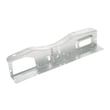
  • Control Bracket for GE GFWR2700H0WW - Part WH10X10013

    Controls & dispenser diagram

    Control Bracket

    Part #WH10X10013

    The manufacturer no longer makes this part, and there's no substitute part

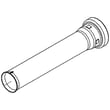
  • Air Ven Tube for GE GFWR2700H0WW - Part WH01X10749

    Cabinet & drive assembly diagram

    Air Ven Tube

    Part #WH01X10749

    The manufacturer no longer makes this part, and there's no substitute part

  • Gasket Clamp for GE GFWR2700H0WW - Part WH01X10744

    Tub & drain pump diagram

    Gasket Clamp

    Part #WH01X10744

    The manufacturer no longer makes this part, and there's no substitute part

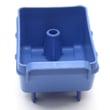
  • Air Chamber for GE GFWR2700H0WW - Part WH41X10353

    Tub & drain pump diagram

    Air Chamber

    Part #WH41X10353

    The manufacturer no longer makes this part, and there's no substitute part

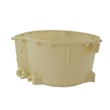
  • Washer Outer Rear Tub for GE GFWR2700H0WW - Part WH45X10136

    Tub & drain pump diagram

    Washer Outer Rear Tub

    Part #WH45X10136

    The manufacturer no longer makes this part, and there's no substitute part

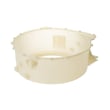
  • Washer Outer Front Tub for GE GFWR2700H0WW - Part WH45X10141

    Tub & drain pump diagram

    Washer Outer Front Tub

    Part #WH45X10141

    The manufacturer no longer makes this part, and there's no substitute part

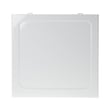
  • Dryer Top Cabinet Panel for GE GFWR2700H0WW - Part WH44X10324

    Cabinet & drive assembly diagram

    Dryer Top Cabinet Panel

    Part #WH44X10324

    The manufacturer no longer makes this part, and there's no substitute part

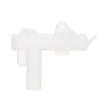
  • Detergent Cup for GE GFWR2700H0WW - Part WH47X20147

    Controls & dispenser diagram

    Detergent Cup

    Part #WH47X20147

    The manufacturer no longer makes this part, and there's no substitute part

  • Tree Button for GE GFWR2700H0WW - Part WH42X10983

    Controls & dispenser diagram

    Tree Button

    Part #WH42X10983

    The manufacturer no longer makes this part, and there's no substitute part

  • Seal Pump for GE GFWR2700H0WW - Part WH08X10068

    Tub & drain pump diagram

    Seal Pump

    Part #WH08X10068

    The manufacturer no longer makes this part, and there's no substitute part

GE Washer GFWR2700H0WW FAQs

A GE washing machine typically lasts 10 to 14 years. For your GE GFWR2700H0WW washer, lifespan depends most on load size, cycle frequency, and routine care like keeping the door gasket clean and replacing aging fill hoses on schedule (see the GFWR2700H0WW owner's manual).

Typical lifespan and what changes it

Most washers reach the 10 to 14 year range when they are installed correctly and not consistently overloaded.

Common factors that extend washer life:

  • Washing smaller, balanced loads (less stress on the tub and suspension)
  • Using the right detergent amount (less residue and odor)
  • Running periodic cleaning cycles
  • Keeping the door slightly open between loads to dry out the tub
  • Replacing wear items before they fail (hoses, pumps, shocks)

Common factors that shorten washer life:

  • Frequent overloading or washing heavy items back-to-back
  • Ignoring vibration or banging (can damage tub support and bearings)
  • Leaving water supply hoses in service too long
  • Chronic suds or detergent buildup

Maintenance schedule we recommend

Your manual notes that water supply hoses degrade over time and should be replaced about every 5 years to reduce the risk of hose failure.

Item Good interval Why
Water supply hoses Every 5 years Reduces risk of leaks and hose rupture
Pump filter area (if accessible) Check every few months Helps prevent drain problems
Door gasket wipe-down Weekly Helps prevent odor and mildew
Washer cleaning cycle Monthly Reduces residue and smells

Parts that often affect “end of life” decisions

If the washer is otherwise in good shape, replacing a common failure part can add years of service.

Why it matters

Knowing the typical 10 to 14 year lifespan helps you decide whether to repair or replace. A newer GFWR2700H0WW with a single failed part is often worth repairing; an older unit with multiple major symptoms (leaks, loud spin, repeated drain faults) often points to broader wear.

Last updated: January 2026

The biggest problem with front-load washers (including GE model GFWR2700H0WW) is moisture staying trapped around the door area, which can lead to odors, mildew, or mold if the door gasket and basket are not cleaned and dried regularly. This is preventable with simple routine care.

What causes the issue

Front-load washers use less water and seal tightly, so leftover moisture and residue can linger in the rubber door gasket and drum. In the GFWR2700H0WW manual, GE also notes that if the basket and gasket are not periodically cleaned, the washer may not maintain a fresh smell; leaving the door slightly open helps the inside air-dry.

What we recommend (quick prevention checklist)

  • Wipe the rubber door gasket dry after the last load of the day.
  • Leave the door slightly open between loads so the tub can air out.
  • Run the washer’s Basket Clean cycle on a regular schedule.
  • Use only HE detergent and avoid over-dosing (too much can leave residue).
  • Wash full, balanced loads when possible; single bulky items can cause rebalancing and longer cycles.
  • Check and clean the pump filter periodically to prevent drain issues and odors.

Common “front-load washer problems” and what they usually mean

Symptom Most common cause Best first step
Musty smell Moisture and residue in gasket/basket Wipe gasket; run Basket Clean
Longer-than-expected cycle Load rebalancing, unlevel washer, or clogged pump filter Level the washer; clean pump filter
No visible water line Normal low-water wash action Use correct cycle and HE detergent
Gasket damage Items left in pockets or clothes trapped at door Empty pockets; avoid overloading

Why it matters

Odor and mildew are more than a nuisance; they can transfer smells to laundry and shorten the life of components like the door gasket. Consistent cleaning and correct loading also helps reduce vibration and cycle interruptions.

For model-specific care steps and cleaning intervals, follow the GFWR2700H0WW owner’s manual.

Last updated: January 2026

Your GE washer’s model number is printed on the appliance ID label; on the GFWR2700H0WW, you can find that label on the side of the washer. Use the model number to match the correct diagrams, manuals, and replacement parts.

Where to look on the washer

Check these common spots first (power off is fine, no disassembly needed):

  • On a label on the side panel of the washer cabinet
  • Around the door opening area (inspect the frame and inner lip)
  • Along the back panel near the power cord entry
  • Inside the lower access area (if your unit has a small service panel)

For the exact label location and how it’s shown for this series, use the owner's manual.

What you should write down

Record both numbers exactly as shown on the label:

  • Model number (example: GFWR2700H0WW)
  • Serial number
  • Any suffix letters or digits (they affect part compatibility)

If the label is missing or unreadable

You can still confirm the model family through the control’s service mode model-code test (used when programming certain replacement controls). The installation instructions list the model-code table and button sequence in the installation guide.

Quick reference (from the programming table)

Washer model family Model code
GFWR2700H / GFWR2705H 005

Why it matters

GE washers often share similar-looking parts across model families, but the correct model and serial ensure you get the right fit for items like the drain pump, water inlet valve, or control components.

Last updated: March 2026
Most common symptoms to help you fix your washers

Choose a symptom to see related washer repairs.

Main causes: clogged drain hose, house drain clogged, bad drain pump, water-level pressure switch failure, bad control b…

Main causes: broken lid switch or lid lock, bad pressure switch, broken shifter assembly, faulty control system…

Main causes: worn agitator dogs, bad clutch, broken motor coupler, shifter assembly failure, broken door lock, suspensio…

Main causes: water heater failure, bad water temperature switch, faulty control board, bad water valve, faulty water tem…

Main causes: lack of electrical power, wiring failure, bad power cord, electronic control board failure, bad user interf…

Main causes: no water supply, bad water valves, water-level pressure switch failure, control system failure, bad door lo…

Main causes: unbalanced load, loose spanner nut, worn drive block, broken shock absorber or suspension spring, debris in…

Main causes: leaky water inlet valve, faulty water-level pressure switch, bad electronic control board…

Main causes: bad lid switch or door lock, bad timer or electronic control board, wiring failure, bad water inlet valve a…

Repair guides for side-by-side refrigerators

How to replace an electronic control board on the back of a refrigerator

How to replace an electronic control board on the back of a refrigerator

If your refrigerator isn't running, an electronic control board failure could be the problem. A service technician can d…

Repair time and Difficulty

 15 minutes or less
How to replace a press-in door gasket in a side-by-side refrigerator

How to replace a press-in door gasket in a side-by-side refrigerator

The door gasket seals the gap around the door to keep the cold air in and the warm air out. Replace a worn or damaged do…

Repair time and Difficulty

 15 minutes or less
How to replace an ice maker in a side-by-side refrigerator

How to replace an ice maker in a side-by-side refrigerator

Learn how to replace the ice maker in a side-by-side refrigerator with these step-by-step instructions.…

Repair time and Difficulty

 30 minutes or less

Effective articles & videos to help repair your washers

Use the advice and tips in these articles and videos to get the most out of your washer.

How auto-load sensing washers work (and when they don't)

How auto-load sensing washers work (and when they don't)

Your washer barely fills or seems stuck in sensing mode? Find out how auto-load sensing and Precise Fill features work, …

How to remove the main control board and user interface from a Maytag Epic Z front-load washer

How to remove the main control board and user interface from a Maytag Epic Z front-load washer

Get step-by-step instructions for removing the main electronic control board and the control panel from a Maytage Epic Z…

Using a wiring schematic to trace a current video

Using a wiring schematic to trace a current video

Find out what’s wrong with your appliance by following a circuit.…

Parts & More

Air Compressor
Dishwasher
Electric Range
Gas Range
Parts
Planer
Water Pump