Error Codes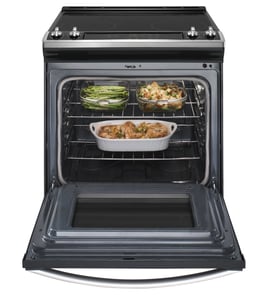




Why are gas stoves being discontinued?
Gas stoves are being limited in some areas because burning natural gas indoors can create air pollutants (like nitrogen dioxide and carbon monoxide) and because methane leaks contribute to greenhouse gas emissions. For many homes, switching to an electric range like the Frigidaire FCRE3052ASG avoids combustion byproducts in the kitchen.
What is actually happening (and what is not)
Most gas stoves are not being “banned everywhere”; instead, changes usually show up as local building rules for new construction, incentive programs, or efficiency and ventilation requirements.
Common drivers include:
- Indoor air quality concerns from combustion byproducts
- Climate goals focused on reducing methane emissions
- Local rules that limit new gas hookups in certain jurisdictions
- Consumer demand for electric and induction cooking
- Utility and building-code updates that favor electrification
If you are deciding between gas and electric
For cooking performance, safety, and long-term ownership, these are the practical differences most customers weigh.
| Topic | Gas range | Electric range (like FCRE3052ASG) |
|---|---|---|
| Indoor combustion | Yes | No |
| Ventilation importance | High | Moderate |
| Heat response | Fast | Moderate (induction is fast) |
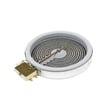
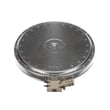
| Typical service items | Igniters, valves, burners | Elements, switches, sensors |
What to check if you are switching from gas to electric
Before you replace a gas range with an electric model, we recommend confirming these basics:
- A properly rated 240V electrical supply and correct cord/terminal connection
- Space and clearance for the range and anti-tip setup
- That your cookware is compatible (especially if considering induction)
- That your kitchen ventilation is still adequate for smoke and cooking odors
- Your baking expectations; electric ovens often bake very evenly once preheated
Why it matters
The “discontinued” conversation is less about one brand stopping production and more about how homes are being built and upgraded. Understanding the indoor-air and energy-policy drivers helps you choose a range type that fits your home, budget, and local requirements.
If you are troubleshooting an electric oven that is not heating after a switch, the bake circuit is a common starting point; the Frigidaire range bake element 316075103 is one of the key heating parts used on this model.
Last updated: January 2026
Can you have a gas stove with electric?
Yes. You can have gas and electric in the same cooking appliance, but it depends on the design: a dual-fuel range uses a gas cooktop with an electric oven, while some cooktops mix gas burners with electric or induction zones. The Frigidaire FCRE3052ASG is an electric range, so it uses electric surface elements and an electric oven.
Common gas + electric combinations
- Dual-fuel range: gas burners on top, electric oven for baking
- Mixed-fuel cooktop: some gas burners plus electric radiant or induction zones
- Gas range with electric ignition: gas burners and gas oven, but needs electricity to light and run controls
- All-electric range: electric cooktop and electric oven (like FCRE3052ASG)
What you need in the kitchen (quick checklist)
- Gas supply line and shutoff valve (only if you choose gas or dual-fuel)
- Correct electrical circuit and outlet (all ranges need electricity; dual-fuel still needs a proper circuit)
- Proper ventilation (especially important with gas cooking)
- Space and clearance for the range and anti-tip protection
How to tell what you have now
| What you see | Most likely type | What it means |
|---|---|---|
| Smooth glass top with heating zones | Electric radiant or induction | No gas line required for cooking |
| Metal grates and visible burner caps | Gas cooktop | Gas line required |
| Gas burners plus an oven that bakes very evenly | Often dual-fuel | Gas + electric hookups needed |
Why it matters
Fuel type affects installation requirements, cooking performance, and which replacement parts fit. For example, electric ranges commonly use parts like a bake element or surface element controls, while gas models use igniters and gas valves.
If you are shopping parts for this model, a common electric-oven component is the Frigidaire range bake element 316075103.
Last updated: January 2026
What is the BTU output of the FCRE3052ASG?
The Frigidaire FCRE3052ASG is an electric range, so its cooktop and oven heating power is not rated in BTUs. Electric elements are typically rated in watts (W), and the exact wattage depends on the specific surface element and oven element used on this model.
What to use instead of BTU for this model
For electric cooking, wattage is the meaningful “power” spec. Here are the most common places you will see watt ratings:
- Surface radiant elements (each burner position)
- Oven bake element
- Oven broil element
- Warming zone (if equipped)
- Electrical supply requirements (volts and amps)
Quick checks to identify the correct power rating
We recommend using the appliance rating label and the element markings to confirm the exact wattage for your FCRE3052ASG.
- Check the model and serial tag (often on the oven frame behind the storage drawer or on the door frame)
- Look for a watt rating stamped on the surface element or printed on its label
- If the oven is not heating correctly, inspect the bake and broil elements for visible damage (blisters, cracks, burn spots)
- If temperatures seem off, test the oven sensor and calibration before replacing parts
Parts that affect heating performance
If you are troubleshooting weak heat, no heat, or uneven baking, these model-compatible parts are common suspects:
| Symptom | Common part to check | Example part for this model |
|---|---|---|
| Oven not baking or slow preheat | Bake element | Range bake element 316075103 |
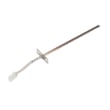
| Oven overheats or underheats | Oven temperature sensor | Range oven temperature sensor 316490000 |
| Broil not working | Broil element | Range broil element 316203200 |
Why it matters
BTU ratings apply to gas burners; using BTUs to compare an electric range can lead to the wrong expectations. For the FCRE3052ASG, wattage and proper electrical supply (and healthy elements and sensor feedback) determine real-world heating performance.
Last updated: January 2026