Owner’s manual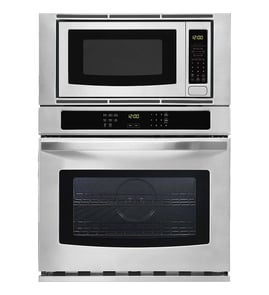


How do I know if my wall oven is 27 or 30?
For your Kenmore wall oven/microwave combo model 79049613312, the reliable way to tell whether it is a 27-inch or 30-inch unit is to measure the cabinet cutout opening width (inside edge to inside edge). Then compare that measurement to standard cutout ranges listed in the 79049613312 owner’s manual.
How to measure it (cutout width)
- Turn power off at the breaker for safety.
- Open the oven door so you can access the cabinet opening edges.
- Measure inside the cabinet cutout, from the left inside cabinet edge to the right inside cabinet edge.
- Measure in at least 3 spots (top, middle, bottom) and use the smallest number.
Typical cutout width ranges
Most wall ovens fall into these common size groups:
| Nominal oven size | Typical cutout width you’ll measure | What it means |
|---|---|---|
| 27-inch | About 25 1/2 to 28 1/2 inches | Fits a 27-inch class wall oven |
| 30-inch | About 28 1/2 to 31 1/2 inches | Fits a 30-inch class wall oven |
Quick checks that help confirm size
Use these checks along with the cutout measurement:
- Check the model tag and confirm it matches 79049613312.
- Measure the front frame width (trim) across the face; it is usually wider than the cutout.
- Look for any filler strips or side trim that could make a 27-inch unit appear closer to 30 inches.
- If the unit was replaced before, verify the cabinet was not modified.
- Use the exact cutout specs in the 79049613312 owner’s manual before ordering a replacement.
Why it matters
The 27-inch vs 30-inch classification determines whether a replacement wall oven will physically fit your cabinet opening and align with mounting points. Measuring the cutout prevents costly fit issues and avoids cabinet rework.
Last updated: February 2026
How many cubic feet is a Kenmore Model 79049613312 microwave?
The Kenmore wall oven/microwave combo model 79049613312 has a 2.0 cu. ft. microwave capacity. This is the cavity size used to describe how much usable cooking space the built-in microwave provides; you can also confirm the spec in the 79049613312 use and care manual.
Where to confirm the capacity on your unit
Use the manual and the appliance rating label to verify you are matching the correct configuration.
- Check the specifications/features section in the 79049613312 use and care manual
- Locate the model and serial tag (often around the oven frame area when the door is open)
- Match the full model number exactly: 79049613312
- If your unit has a color code or revision, use the full identifier shown on the tag
Quick capacity reference (what the numbers mean)
Microwave capacity is a standardized way to compare cavity size, but “usable” space can feel slightly different depending on interior shape.
| Capacity type | What it represents | What you notice in daily use |
|---|---|---|
| Rated capacity (cu. ft.) | Published cavity volume | Helps compare models and fit larger dishes |
| Usable space | Practical room for cookware | Turntable clearance and interior contours matter |
| Exterior size | Cutout and trim fit | Determined by cabinet opening, not cu. ft. |
Why it matters
A 2.0 cu. ft. built-in microwave is sized for larger plates and casserole dishes; it also helps you choose microwave-safe cookware that rotates freely and heats evenly.
Last updated: February 2026
What is the average cost to install a wall oven?
Installing a wall oven typically costs about $1,000 to $3,000 total for labor and standard electrical hookup, with higher costs when cabinet modifications, a new circuit, or a double oven is involved. For Kenmore model 79049613312, confirm electrical and cutout requirements in the 79049613312 owner's manual before scheduling installation.
Typical installation cost ranges
Costs vary most by whether the job is a simple swap or a remodel.
- Basic replacement (same size, existing wiring): often $550 to $1,500
- New install (new circuit, new cutout, heavier labor): often $1,500 to $3,500
- Double wall oven or complex cabinet work: often $2,500 to $4,700+
- Haul-away or disposal: commonly an added fee
- Permit/inspection (some areas): may be required for new circuits
What drives the price up (and what to check first)
For a wall oven and microwave combo like the 79049613312, the biggest cost swings come from electrical and cabinetry.
- Electrical circuit changes (new breaker, wire run, junction box work)
- Cabinet cutout changes (height/width adjustments, reinforcement)
- Hardwired connection versus plug-in setup
- Access issues (tight install, heavy unit, second-story kitchens)
- Correcting overheating/venting issues (keeping vents unobstructed matters for safety and performance)
Quick planning checklist
Use this list when getting quotes so installers price the same scope.
| Item to confirm | Why it matters |
|---|---|
| Cutout dimensions and support | Prevents rework and cabinet damage |
| Electrical requirements and dedicated circuit | Avoids nuisance trips and overheating |
| Hardwire location and wire length | Ensures the unit can be connected cleanly |
| Venting clearance | Helps prevent heat damage to nearby materials |
Why it matters
A wall oven install is part electrical, part carpentry. Getting the cutout, circuit, and venting right helps the oven heat consistently and helps protect controls, wiring, and surrounding cabinetry.
Last updated: February 2026
What is the disadvantage of a wall oven?
A wall oven like the Kenmore 79049613312 costs more to buy and install than a freestanding range, and repairs can take longer because the unit is built into cabinetry. You also need a separate cooktop, which can increase total kitchen cost and complexity.
Common disadvantages (and what they mean day to day)
- Higher total cost: you are buying a wall oven/microwave combo plus a separate cooktop.
- More involved installation: built-in mounting and electrical requirements add labor time.
- Harder access for service: technicians often need to pull the unit from the cabinet for diagnosis.
- Heat and venting considerations: keeping vents unobstructed matters for safety and performance.
- Ergonomics vary by install height: depending on mounting height, lifting heavy roasts or casseroles can be awkward.
Wall oven vs range: quick comparison
| Feature | Wall oven/microwave combo | Freestanding range |
|---|---|---|
| Upfront cost | Typically higher | Typically lower |
| Installation | Cabinet cutout, built-in fit | Slide-in/standalone fit |
| Cooktop included | No | Yes |
| Service access | Often requires removal from cabinet | Usually easier access |
Why venting and placement matter
Your combo unit relies on proper airflow. The manual calls out keeping oven vent ducts unobstructed and using care around hot vent areas to prevent burns and heat damage to nearby items. For model-specific safety and use details, follow the 79049613312 owner's manual.
When a “wall oven disadvantage” is actually a benefit
| Concern | When it becomes a benefit |
|---|---|
| Separate cooktop required | You can choose the exact cooktop size and style you want |
| Built-in placement | Cleaner, custom look and potentially better workflow |
| Install height | Can reduce bending compared to a low range oven |
Parts and repair cost context
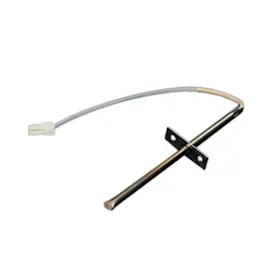
Because built-in units can be more labor-intensive to access, a simple issue (like temperature regulation) can feel more expensive than the same repair on a range. If you are troubleshooting baking accuracy, the oven temperature sensor is a common component to check on many Kenmore wall ovens, including the range oven temperature sensor 5304504897.
Last updated: February 2026
What was the size of the Kenmore 79049613312 oven?
For the Kenmore wall oven/microwave combo model 79049613312, the exact overall dimensions are listed in the product literature for your specific unit; use the 79049613312 use and care manual to confirm the cabinet cutout and appliance measurements before planning a replacement or remodel.
What to check for the “size” you need
“Size” can mean different things for a wall oven/microwave combo. We recommend confirming these items:
- Overall appliance width, height, and depth (what the unit measures on the outside)
- Cabinet cutout opening (the rough opening the unit fits into)
- Door swing clearance (space needed to fully open the lower oven door)
- Electrical connection location (so the junction box and conduit line up)
- Ventilation clearances (space needed for safe airflow)
Typical sizing guidance (helpful for planning)
Most 30-inch class wall oven/microwave combos are designed around a nominal 30-inch cabinet width, but the actual measured width and the required cutout dimensions can differ by model and revision.
| Measurement type | What it affects | Where to verify |
|---|---|---|
| Overall dimensions | Fit against surrounding cabinets and trim | 79049613312 use and care manual |
| Cutout dimensions | Whether the unit physically installs in the opening | 79049613312 use and care manual |
| Depth behind face | Whether it protrudes past cabinetry | 79049613312 use and care manual |
Why it matters
Using the wrong measurement is the most common reason a replacement wall oven/microwave combo does not fit. The cabinet cutout is the critical number; even a small mismatch can prevent installation or cause heat and clearance problems.
Related repair note (when “size” questions come from heating issues)
If you are measuring because the oven is not baking evenly or seems off-temperature, the issue is often control or sensing related, not physical size. A common part involved in temperature accuracy is the range oven temperature sensor 5304504897.
Last updated: February 2026