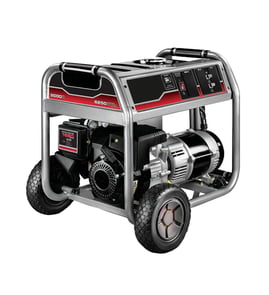

Does Coleman make generators?
Yes. Coleman is a well-known brand that has produced generators, including portable models like the Coleman PM0557523. When you are shopping for parts or troubleshooting, matching the exact model number on the data plate is the key to getting the right components.
What “Coleman generator” can mean
Coleman-branded generators have been sold across different model lines and production runs, so parts and wiring can vary even when the units look similar.
Common identifiers you may see:
- Model number (for this page: PM0557523)
- Engine model and type (often listed separately from the generator model)
- Serial number
- Voltage and frequency rating (typically 120V or 120/240V, 60 Hz in the US)
- Running watts and starting watts
How to confirm you have the right model for parts
Use the model number from the generator’s label, not the engine label.
Checklist:
- Find the data plate on the frame, control panel, or near the fuel tank
- Confirm the model reads PM0557523 (not a close match)
- Write down the serial number for reference
- Compare your control panel layout (receptacles and breakers) to your unit
Quick troubleshooting context (why model accuracy matters)
Different Coleman generators can use different alternators, breakers, brushes, AVR-style regulation, and wiring layouts. Using the correct model number helps you avoid ordering the wrong electrical parts and reduces the risk of miswiring.
| Item you’re checking | Where to look | Why it matters |
|---|---|---|
| Generator model number | Frame or control panel label | Matches the correct parts list |
| Engine model | Engine shroud or valve cover area | Helps with engine-specific parts |
| Output receptacles | Control panel | Indicates wiring and breaker style |
Helpful DIY reference
If you are diagnosing electrical output issues, testing safely with the right tools is essential; see how to use a multimeter to test electrical parts video.
Last updated: February 2026
What type of oil does a Coleman generator use?
For the Coleman PM0557523 generator, we use SAE 10W-30 as the best all-around engine oil for most temperatures and typical homeowner use. In colder weather, 5W-30 improves starting; in sustained heat, 10W-40 or SAE 30 can be a better match.
Oil type by temperature
Use this as a practical guide when you are choosing oil for your Coleman generator engine:
| Outdoor temperature | Common oil choice | Why it helps |
|---|---|---|
| Below 32°F (0°C) | SAE 5W-30 | Easier cold starts, faster lubrication |
| 32°F to 90°F (0°C to 32°C) | SAE 10W-30 | Best general-purpose option |
| Above 90°F (32°C) | SAE 10W-40 or SAE 30 | Better viscosity control in high heat |
What to use (and what to avoid)
- Use a high-quality 4-stroke engine oil (most portable generators use a 4-cycle engine).
- Choose the viscosity based on your typical running temperature, not just the season.
- Avoid 2-cycle oil (it is for fuel mix engines, not crankcase lubrication).
- Avoid automotive oils labeled “energy conserving” if your generator manual calls for a non-energy-conserving oil (common with small engines).
- If the generator has been sitting, plan to change the oil before heavy use.
Quick oil-check and change tips
- Shut the generator off and let it cool; keep it on a level surface.
- Check oil with the dipstick (or fill plug style dipstick, depending on the engine).
- Do not overfill; overfilling can cause smoking, fouled spark plug, or hard starting.
- After an oil change, run the engine a few minutes, shut it down, then recheck the level.
Why it matters
Correct oil viscosity protects the crankshaft and bearings, stabilizes engine temperature, and reduces wear. On a portable generator like the Coleman PM0557523, the right oil also improves starting and helps the engine hold steady RPM under load.
For more DIY electrical testing tips that help when a generator will not produce power, use our how to use a multimeter to test electrical parts video.
Last updated: February 2026
Why does my Coleman generator keep shutting off?
Your Coleman PM0557523 generator usually shuts off because the engine is being starved for fuel, the low-oil protection is tripping, it is overheating, or the generator is being overloaded. We start with quick checks (oil level, fuel cap venting, air flow, and load) because they solve the most common shutdown causes fast.
Quick checks that fix most shutdowns
- Check oil level first (low oil can trigger an automatic shutdown). Place the generator level before checking.
- Loosen the fuel cap briefly and try running again; a plugged cap vent can create vacuum in the tank and stop fuel flow.
- Confirm fresh fuel (old gas or water-contaminated fuel causes surging and stalling).
- Reduce electrical load; unplug everything, restart, then add loads back one at a time.
- Inspect the air intake and cooling areas; blocked vents or debris can cause overheating shutdown.
Common causes and what to do
| Symptom | Most likely cause | What we do next |
|---|---|---|
| Runs 5 to 30 minutes, then dies | Fuel cap not venting, fuel restriction | Test with cap loosened; check fuel line and filter; clean carburetor |
| Dies when you plug something in | Overload, shorted cord/tool | Start with no load; add one device at a time; check cords |
| Stops hot, restarts after cooling | Overheating, dirty cooling fins/airflow | Clear debris; verify fan shroud and airflow paths are open |
| Random shutoff, misfire | Spark plug/ignition issue | Check plug condition and gap; inspect plug wire and coil connections |
Step-by-step troubleshooting order (fastest to slowest)
- Oil and tilt: Verify correct oil level and that the unit is not running on a slope.
- Fuel cap vent test: Run with the cap loosened (do not leave it loose for normal operation).
- Fuel quality: Drain old fuel, refill with fresh fuel; confirm the fuel valve is fully open.
- Air and spark: Clean/replace the air filter; inspect the spark plug for fouling.
- Carburetor: If it surges, hunts, or only runs on choke, clean the carburetor and jets.
Why it matters
Repeated shutdowns are usually a protection response (low oil, overheating, overload) or a fuel delivery problem. Fixing the root cause prevents hard starting, carbon buildup, and damage to the engine and alternator.
For generator electrical checks (outlets, wiring, and continuity), we use the same safe test approach shown in how to use a multimeter to test electrical parts video.
Last updated: February 2026
What are the parts of the generator?
A Coleman generator like model PM0557523 is built from a few main systems: the engine (makes mechanical power), the alternator (makes electricity), and the controls and protection parts that regulate voltage and keep the unit safe. Exact layouts vary by model and wattage.
Main generator systems (what they do)
- Engine: burns fuel to spin the generator shaft
- Fuel system: tank, fuel valve, fuel lines, carburetor (or injection), air filter
- Alternator (generator head): rotor and stator that produce AC power
- Voltage regulation: AVR (automatic voltage regulator) or capacitor based regulation
- Control panel: outlets, breakers, switches, hour meter (if equipped)
- Ignition system: spark plug, ignition coil, kill switch wiring
- Starting system: recoil starter or electric starter motor, solenoid, battery (if equipped)
- Cooling and exhaust: cooling air path, muffler, spark arrestor (if equipped)
- Lubrication: crankcase oil, oil fill, drain, low-oil shutdown sensor (common)
Quick “parts list” view by area
| Area | Common parts you’ll see | Typical symptom when it fails |
|---|---|---|
| Fuel/air | carburetor, fuel valve, air filter | won’t start, surging, stalls |
| Ignition | spark plug, coil, kill switch | no spark, hard start |
| Power output | rotor/stator, brushes (some designs), AVR/capacitor | low or no AC output |
| Protection | circuit breaker, GFCI (some panels) | trips, no power at outlets |
How to identify what your generator has
- Check the control panel for breakers, GFCI outlets, and switches
- Look for an AVR module near the alternator housing (many modern units use one)
- Confirm whether you have recoil start only or electric start (battery and starter present)
- Inspect for a low-oil sensor (wire lead near the crankcase)
Why it matters
Knowing which system you’re troubleshooting helps you test the right components first (fuel and spark for “won’t start”, regulation and breakers for “no power”), which saves time and prevents unnecessary parts replacement.
For help matching parts to the correct model tag and variant, use how to find your appliance model number (and what it means for parts).
Last updated: February 2026