Error Codes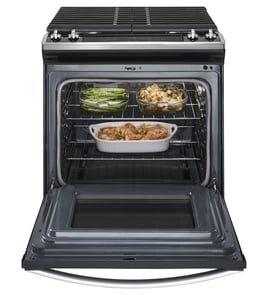



How to clean the igniter on a KitchenAid gas stove?
On the KitchenAid KSGG700ESS7 slide-in gas range, we clean the surface igniter by removing the burner cap and gently wiping the igniter tip and surrounding area so it can spark reliably. Keep the igniter dry and avoid scraping it; most ignition problems come from grease or food debris blocking the spark path.
Safety first
- Turn all burner knobs to OFF.
- Let the cooktop cool completely.
- Shut off power to the range at the breaker (recommended whenever working around igniters).
- Do not spray cleaner directly onto the igniter or into burner openings.
Step-by-step: cleaning a surface burner igniter
- Remove the grates and lift off the burner cap.
- Wipe the igniter (the small ceramic post with a metal tip) using a soft cloth lightly dampened with warm water.
- If there is stuck-on residue, use a soft nylon brush or a wooden toothpick around the igniter base (not on the metal tip).
- Wipe the burner cap and burner base; clear the small gas ports.
- Dry everything fully, then reinstall the burner cap so it sits flat and centered.
- Restore power and test ignition.
What to use (and what to avoid)
| Use | Avoid |
|---|---|
| Warm water, mild dish soap | Abrasive pads, sandpaper, metal scrapers on the igniter |
| Soft cloth, nylon brush | Soaking the igniter or flooding the burner area |
| Compressed air (short bursts) | Spraying degreaser directly into burner ports |
If it still will not ignite
- Confirm the burner cap is seated correctly; misalignment prevents lighting.
- Check for repeated clicking with no flame (often moisture or debris).
- If the oven is the issue (no bake ignition), the bake igniter may be weak and need replacement, such as the range oven igniter WPW10324262 for this model.
- If you are troubleshooting electrical checks, use our how to use a multimeter to test electrical parts video to test safely.
Why it matters
A clean, dry igniter produces a strong spark and lights gas quickly. That reduces delayed ignition, improves burner performance, and helps prevent nuisance clicking.
Last updated: February 2026
Is it worth it to repair a gas oven?
Yes, it’s usually worth repairing a KitchenAid KSGG700ESS7 gas oven when the fix is a common wear part (like an igniter) and the total repair cost stays under about half the price of a comparable replacement range. For repeated control or gas-system failures, replacement often makes more sense.
Quick way to decide (the 50% rule)
Use this simple check before you buy parts:
- Repair if parts + labor are under ~50% of replacement cost
- Replace if the estimate is over ~50%, or the range has multiple major issues
- Repair if the problem is isolated (no heat, slow preheat) and points to an igniter
- Replace if you have frequent breakdowns involving electronics, gas valve, and oven performance
- Repair if the range still fits your cooking needs and the cooktop and oven cavity are in good shape
Common “worth it” repairs on this model
On the KSGG700ESS7, a no-bake or slow-heat complaint is often tied to the bake ignition system. These are typically straightforward repairs compared with replacing the whole range.
| Symptom | Often points to | Typical outcome |
|---|---|---|
| Oven won’t heat, no flame | Weak igniter | Repair is usually cost-effective |
| Oven heats slowly | Igniter drawing low current | Repair is usually cost-effective |
| No bake and no broil | Control or gas supply issue | Diagnose carefully before buying parts |
If your symptoms match, start by checking the range oven igniter WPW10324262 and related ignition components.
When replacement is the better choice
Replacement is the smarter move when the repair involves multiple high-cost assemblies or safety-critical gas components.
- Gas odor that persists after cleaning and tightening fittings
- Multiple burners and the oven all acting up (points to broader gas or control issues)
- Repeated failures of the control area (display, keypad, module)
- Heavy corrosion, damaged wiring, or heat damage around the oven burner area
If diagnosis points to the gas control side, the gas valve W11109973 is a higher-impact repair that should be evaluated carefully.
Why it matters
A gas range can look “dead” when a single part (especially an igniter) is weak. Fixing that one component can restore normal baking and preheat performance without the cost and hassle of replacing the entire slide-in range.
Last updated: February 2026
Is my stove gas or propane?
Your KitchenAid slide-in gas range model KSGG700ESS7 can run on natural gas or LP (propane) depending on how it was installed and whether it was converted. The most reliable check is your home’s fuel supply (gas meter vs propane tank) and the range’s regulator orifice setup.
Fast ways to tell natural gas vs LP
- Check the supply source: a utility gas meter indicates natural gas; an outdoor propane tank indicates LP.
- Look at burner behavior: correct setup gives a steady blue flame; tall, roaring flames or heavy yellowing usually means an air or conversion issue.
- Check for soot: black soot on pans or around burners points to an incorrect air-fuel mix.
- Consider move history: if the range was relocated, it may have been converted for a different fuel.
- Have the orifices verified: LP and natural gas orifices are different sizes; a technician can confirm quickly.
If flames look wrong, do this first
- Turn burners off; ventilate the area.
- Clean burner caps and ports; re-seat caps correctly.
- Re-test flames on low and high.
- If the oven has delayed ignition or a gas smell during lighting, inspect ignition components; a common replacement is the range oven igniter WPW10324262.
- For any conversion, regulator changes, or gas adjustments, use a qualified technician.
What symptoms usually mean
| Symptom | Most common cause | What to do next |
|---|---|---|
| Yellow flames and soot | Dirty ports or air shutter needs adjustment | Clean, then have air mix adjusted |
| Very large flames | Wrong orifice or regulator setting | Stop using; verify conversion setup |
| Delayed oven ignition | Weak igniter or burner issue | Check igniter and burner condition |
Why it matters
Natural gas and LP require different orifice sizing and regulator settings. Running the wrong setup causes poor performance, soot, and unsafe ignition behavior.
Last updated: February 2026
What is the life expectancy of a KitchenAid gas range?
A KitchenAid gas range like model KSGG700ESS7 typically lasts 13 to 15 years. With consistent cleaning, correct burner flame, and timely replacement of wear parts (especially ignition parts), many ranges reach the upper end of that range.
Typical lifespan and what affects it
Most gas ranges fail from a few predictable areas: ignition, gas delivery, and electronic controls.
- Heavy daily cooking shortens lifespan faster than occasional use
- Spills and boil-overs accelerate corrosion and burner clogging
- Weak ignition causes longer preheat times and extra stress on components
- Poor leveling can affect door sealing and baking performance
- Promptly fixing small issues prevents bigger, costlier failures
Parts that commonly limit a range’s lifespan
On KSGG700ESS7, ignition components are frequent service items. If the oven stops heating or takes a long time to light, checking the igniter is a smart first step.
| Symptom | Common cause | Example part for this model |
|---|---|---|
| Oven won’t heat, no flame | Weak or failed igniter | Range oven igniter WPW10324262 |
| Oven lights slowly, gas smell before ignition | Igniter not drawing enough current | Range oven burner igniter WPW10333842 |
| Burners act erratic or won’t respond | Control issue at cooktop electronics | Cooktop module W10860916 |
Maintenance that adds years
These habits make the biggest difference for a slide-in gas range:
- Keep burner ports and caps clean and seated correctly
- Wipe up acidic spills quickly (tomato, vinegar, sugary sauces)
- Avoid slamming the oven door; it protects hinges and sealing surfaces
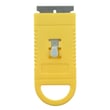
- Use the right cleaning tools for the cooktop finish (for stuck-on residue, use a cooktop scraper WA906B)
- If you do any electrical testing during troubleshooting, follow safe meter practices from how to use a multimeter to test electrical parts video
Why it matters
Knowing the typical 13 to 15 year lifespan helps you decide whether a repair (like an igniter) is a good value versus planning for replacement, especially if multiple systems (oven heat, cooktop, and controls) start failing close together.
Last updated: February 2026